What Is In-Wall Pest Tubing?
In-wall pest tubing is a pest control delivery system built into your home. A network of small tubes runs inside your walls, letting a technician deliver targeted treatment directly into the wall voids (the hidden spaces where ants, roaches, and spiders travel) without opening a single wall. It’s discreet, keeps the treatment inside the walls rather than across your living space, and leaves nothing for you to maintain between services.
How Does the Tubing System Work?
Pests rarely stroll across the middle of a room. They move through the gaps inside your walls, following plumbing lines and framing until they find a way into your kitchen or bathroom. In-wall tubing puts treatment exactly where that traffic happens.
Because the tubing is already in place, servicing it is simple. The technician delivers treatment through the system, and it disperses inside the wall voids. There’s no drilling into drywall, no patching, and no furniture to move. Your walls stay untouched at every service. The treatment works out of sight, which also means nothing is applied across the living spaces where your family spends its time.
That’s the appeal for most homeowners, pest control that intercepts pests inside the walls, before they ever show up on a countertop.
What Does In-Wall Tubing Protect Against?
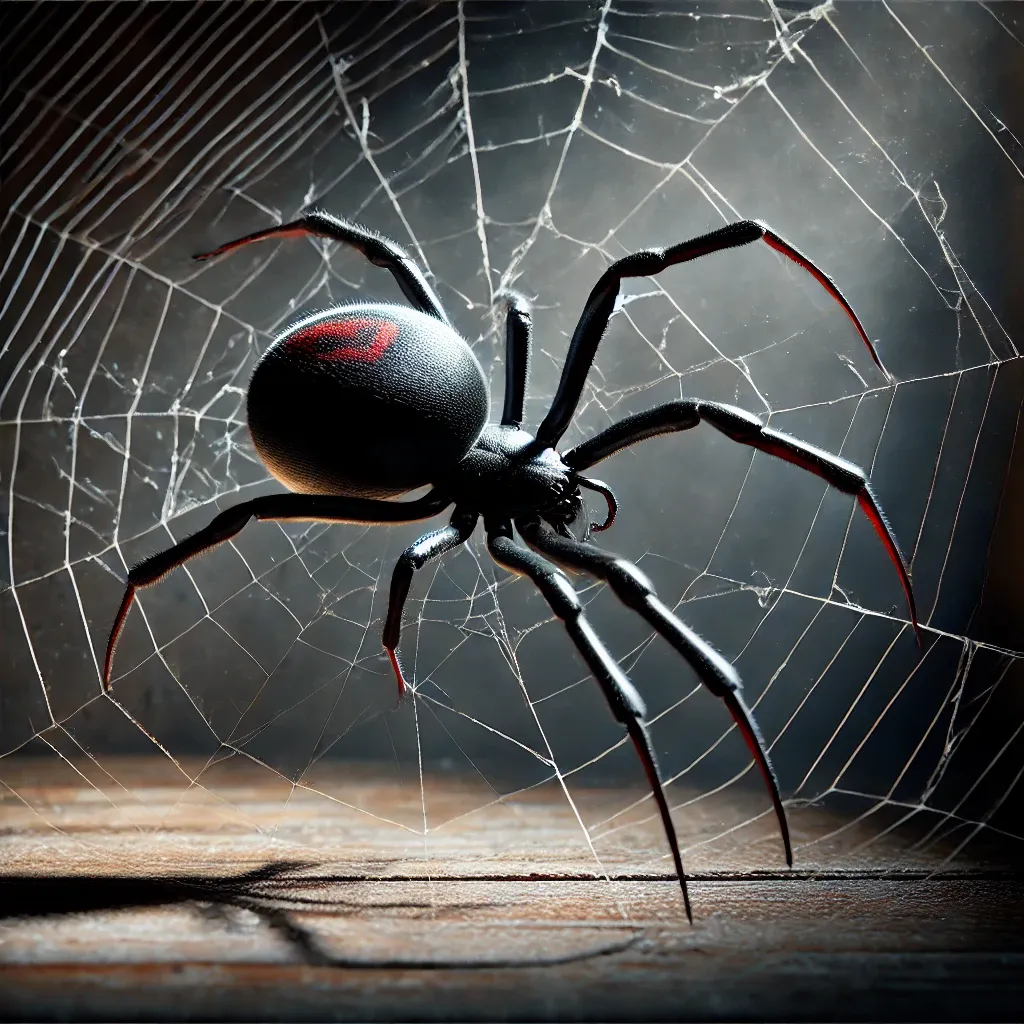
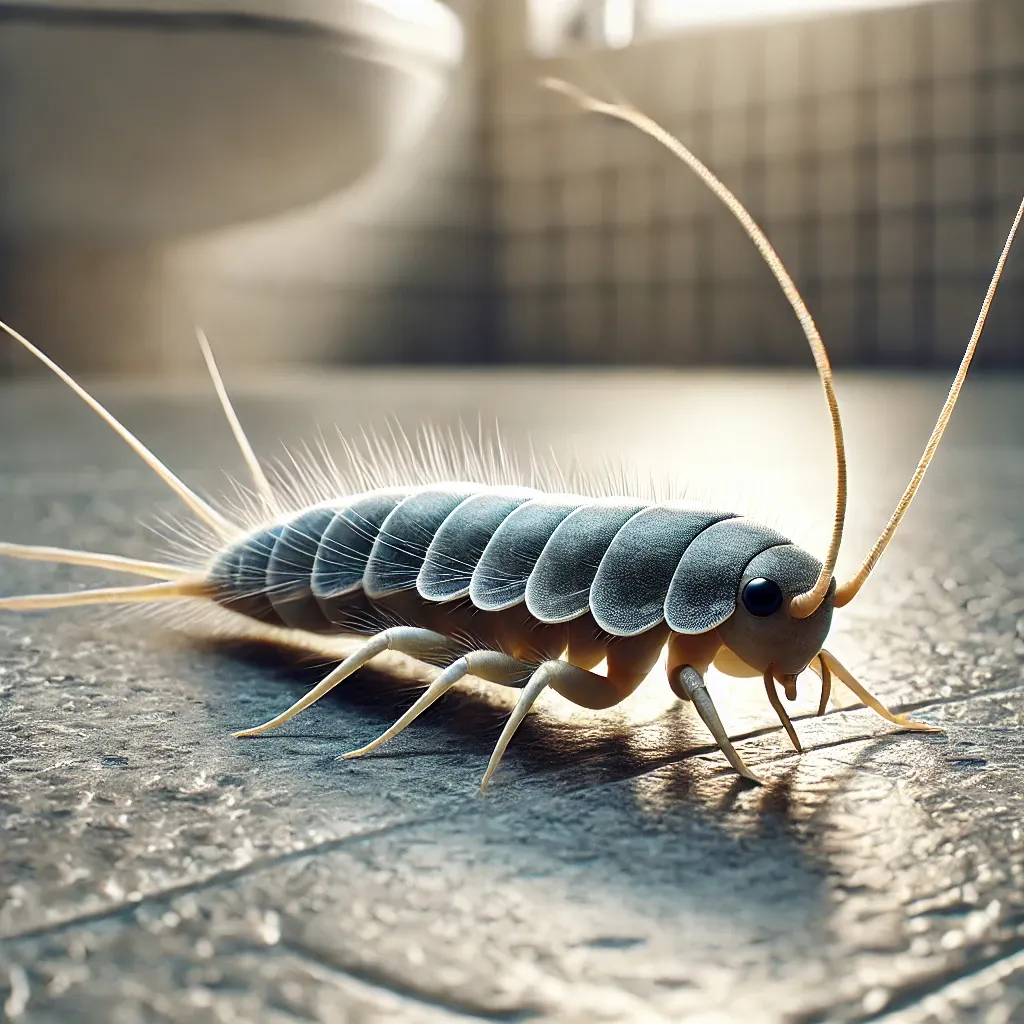
The system targets the pests that treat wall voids as both highway and harborage, and each one is there for its own reason. Ants follow plumbing and wiring runs between rooms, and ghost ants go further and nest in the voids themselves. Roaches want the warm dark pocket behind a kitchen or bathroom wall. Silverfish settle wherever the damp around pipes stays steady. Spiders come last, following the insects they hunt.
What those pests are really after is a set of conditions the rest of the house doesn’t offer. They want darkness, shelter from weather and predators, stable temperature, and moisture. The hollow spaces around plumbing and wiring also connect the kitchen to the bathrooms to everywhere else, so a pest can travel and nest without once crossing an open floor where somebody would see it. Tubing puts treatment into that corridor, which is the part of the house a surface treatment in a living area never reaches.
Who Is In-Wall Tubing Right For?
In-wall tubing serves two groups of Tampa Bay homeowners.
- People building a new home. The tubing runs inside the wall cavity, so the drywall going up is the deadline. Decide before it does.
- Owners of homes that already have tubing. Plenty of Tampa Bay houses were built with a system that hasn’t been touched in years. We can service it and put it back to work.
If your home wasn’t built with tubing, retrofitting generally isn’t worth it, because installing it means opening walls. That’s an honest limit rather than a sales pitch. A maintained exterior barrier defends the same house from the other side, and it’s what most homes here run on.
Tubing treats the inside of your walls, but it isn’t a substitute for the rest of a sound pest control program, like the exterior barrier maintained on regular visits. Ongoing service also matters because Florida’s pest pressure never takes a season off. Our guide on why regular pest control maintenance is essential explains how small problems become infestations when treatment lapses. And if you want a picture of how inspections and service plans work visit to visit, see what to expect from professional pest control in Tampa.
How Does Tubing Fit With the Rest of Your Pest Control?
In-wall tubing handles one layer of the problem, the inside of your walls. A complete pest control program covers more than that. Most homes are protected by an exterior barrier model, where regular visits focus on the perimeter (the foundation, entry points, and the ground around the house) to stop pests before they get in.
Tubing works alongside that barrier, not in place of it. The exterior treatment intercepts pests approaching from outside. The tubing treats the wall voids pests use to travel once they’re in the structure. One guards the approach, and the other covers the interior route. Neither replaces the other, which is why tubing is best thought of as an added layer within a broader plan rather than a standalone fix.
What Happens on the First Visit Versus Ongoing Visits?
The first visit is the most thorough. A technician inspects the home inside and out, identifies which pests are present, and treats accordingly. The initial service includes an interior inspection and treatment, along with treatment outside. If your home has tubing, that’s when the system gets put to work as one of the tools for reaching the wall voids.
Ongoing visits work differently. Once the initial problem is handled, regular service shifts its focus to maintaining the exterior barrier around the home, since stopping pests at the perimeter is what keeps them from getting in. Interior treatment, through the tubing or otherwise, happens when pests are active inside, not by default on every visit.
You don’t need to be home for routine exterior service.
Why Does Tampa Bay Need Wall Protection All Year?
Florida’s pest pressure never takes a season off. The mild winters that make Tampa Bay comfortable for people also spare the pests. There’s no hard freeze to knock populations back the way colder states get. Ants, roaches, and spiders stay active through the year, and the warm, humid rainy season only adds to it.
That constant pressure is the case for a delivery system built into the walls. Pests keep probing the structure regardless of the month, so protection that’s always in place, rather than a single seasonal treatment, matches how the threat actually behaves.
It’s also why most service plans here run on a quarterly schedule, with visits every month or every other month when conditions call for it. Regular visits keep the whole program current, with the exterior barrier maintained, the interior treated when pests are active, and the tubing serviced as part of the routine.
Wondering whether your home has tubing, or whether it makes sense for the home you’re building? Schedule a free consultation. Call 813-961-2627 or contact us online, and we’ll walk you through how the system would work for your home.
In-Wall Pest Tubing Questions
Is in-wall pest tubing safe for children and pets?
Treatment goes inside your wall voids rather than into living spaces, using environmentally friendly products applied according to their labels.
What pests does in-wall tubing protect against?
The system targets pests that travel through wall voids (ants, roaches, and spiders), treating them inside the walls before they reach your living spaces.
Does servicing the tubing damage my walls?
No. Because the tubing is built into the walls, treatment is delivered through the existing system. There's no drilling, patching, or disruption to your home at service time.
Can in-wall tubing be added to my existing home?
Usually not, and it's worth saying plainly. The tubing runs inside the wall cavity, so installing it means opening walls, which is why it goes in during construction. If your house wasn't built with it, a maintained exterior barrier does the same job from the other side. If your house does have tubing sitting unused, we can service it and put it back to work.
Where We Provide In-Wall Pest Tubing
Liberty Pest Management provides professional in-wall pest tubing services throughout Pasco, Hillsborough, and Pinellas counties.
Explore all of our Tampa Bay service areas for local pest details in your community.
Ready for Built In Protection?
Contact Liberty Pest Management today for a free consultation and customized treatment plan.