People have been choosing this shoreline for two and a half thousand years. The temple mound in Philippe Park, the largest remaining in the Tampa Bay area and a National Historic Landmark since 1964, marks where the Tocobaga lived on the western shore of Old Tampa Bay long before Spanish explorers are said to have named the Espiritu Santo Springs in 1539. The spa still sits on its springs, the oaks still shade Main Street, and the bay still sits at the end of every downtown block. Everything that has made Safety Harbor worth settling for twenty five centuries also makes it excellent pest habitat, which is where we come in.
Under the Oaks
Safety Harbor’s canopy is the first thing visitors notice and the first thing we assess. Oaks old enough to shade a whole intersection connect Philippe Park’s woods to downtown’s rooftops in an unbroken elevated network, and roof rats and squirrels use it exactly the way it looks like they would. Homes near the park carry the heaviest traffic: the streets along its edge are the overflow zone. Rodent control here is exclusion first, sealing rooflines and vents before trapping, and our wildlife guide covers the raccoon and squirrel side of the same traffic.
A Damp and Beautiful Place
Between the bay in front and the springs the town is named for, Safety Harbor has never been short on water, and its oldest housing shows it. The cottage blocks around downtown hold humidity the way old Florida houses do: in wall voids, under floors, in closets that stay a few degrees cooler than the rest of the house. That is silverfish habitat, earwig habitat, and the environment where American roaches thrive in plumbing that predates modern sealing. Our moisture guide explains the connection, and treating these homes means addressing the dampness alongside the pests, because the pests are the symptom that returns while the moisture stays.
Most people meet silverfish through the damage rather than the insect, since they feed at night and hide well. What they eat is starch, which in an old cottage means book bindings, wallpaper paste, cardboard, stored documents, and clothing. Look for irregular holes and notched edges on paper, faint yellow staining, and the tiny translucent skins they shed as they grow, usually in a drawer or the back of a closet along an exterior wall. The attic is the blind spot worth checking in a house this age, because poor ventilation or a small roof leak traps humidity where nobody looks. Running the bath fan through and after showers, fixing the slow drip under the sink, and moving keepsakes out of cardboard into sealed bins takes away the moisture and the meal in one pass.
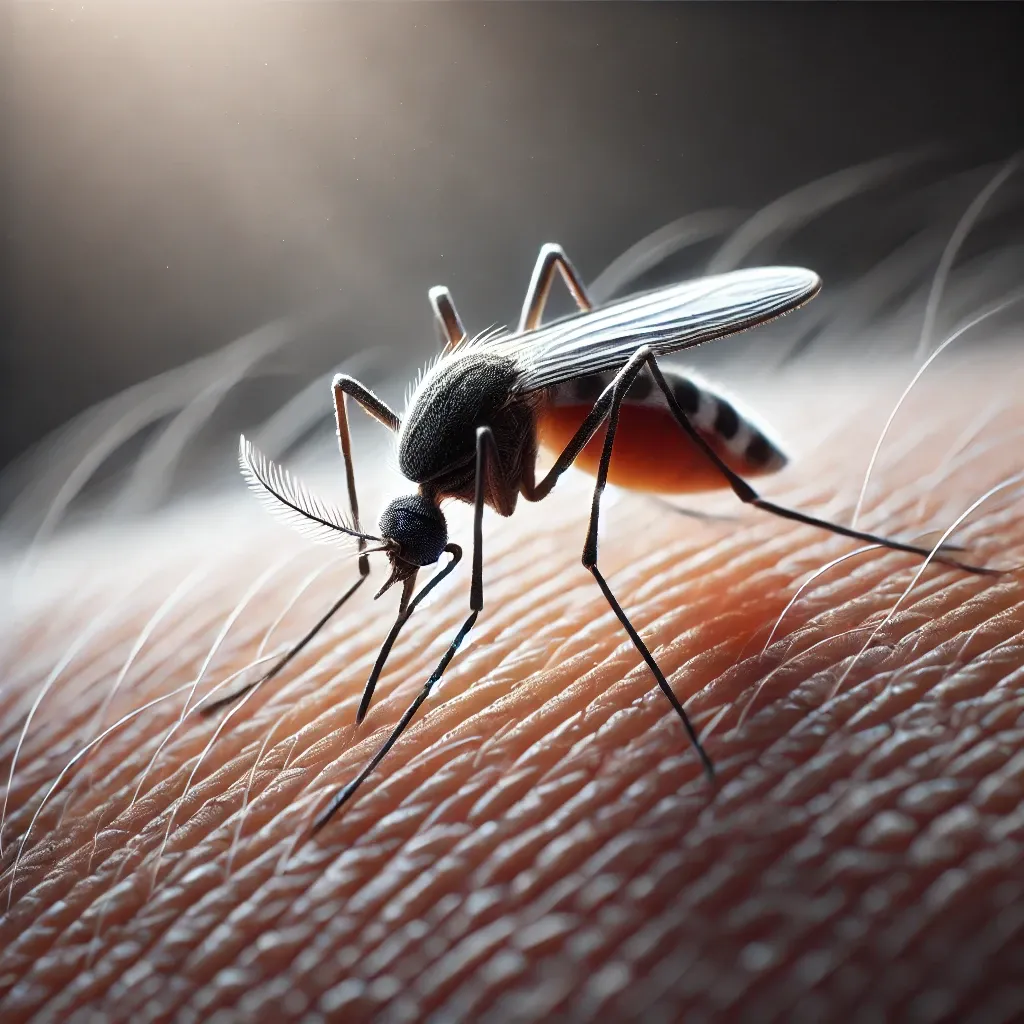
Along the water, salt marsh mosquitoes come off the bay edge and spend the day resting in exactly the deep shade this town is famous for. Mosquito treatment goes after that resting shade on your property, and near the waterfront it matters from March to November.
Two Kinds of Safety Harbor Homes
The town splits neatly by era. Downtown and the blocks around it hold the cottages and midcentury homes that give Safety Harbor its character, with the pest profile age brings: moisture pests, roach pressure through old plumbing, and rooflines that have settled into gaps. Farther from the water, Huntington, Del Oro Shores, Harbor Hills, and the newer subdivisions run the modern suburban pattern instead, irrigated turf and mulched beds feeding fire ant colonies, wasps testing eaves, spiders working the landscape lighting. Same town, different decades, different inspection.
What the Canopy Drops
Living under old oaks is a maintenance agreement most homeowners never read. The canopy sheds constantly. Leaf litter mats into planting beds and holds moisture at the foundation line, exactly the harborage roaches and earwigs want. Acorn crops feed squirrel and rat populations through the winter. Deadfall bridges fences and touches rooflines after every storm. None of this is a reason to lose the trees, which are the best thing about the town. It is a reason to keep beds raked back from the slab, gutters clear, and limbs trimmed off the roof, and it is why our inspections in Safety Harbor spend as much time looking up as looking down.
Main Street, After Hours
Downtown Safety Harbor runs on small independents: cafes, shops, and restaurants with patio seating under the oaks. Food service in a canopy district collects pest pressure from above and below at once, falling debris and shade on one side, aging infrastructure on the other. We service commercial accounts downtown with the discretion a small town’s main street deserves, because nobody’s lunch crowd needs to see a treatment in progress.
One family has answered Safety Harbor’s calls from the same Odessa office since 2007. Nothing you tell us in March needs retelling in June. Call 813-961-2627 or request a free quote. If your street has oaks older than the house, say so. That is where the inspection will start.
Neighborhoods We Serve in Safety Harbor
Don't see your neighborhood? If you're in or around Safety Harbor, we cover you: reach out or call 813-961-2627.



Safety Harbor Pest Control Questions
We live near Philippe Park. Should we expect more wildlife trouble?
More traffic, yes. A park that old and that wooded holds raccoons, squirrels, and rats in numbers a subdivision doesn't, and the properties along its edges see them first. The answer is not fear, it is maintenance: sealed rooflines, screened vents, and an exclusion check every fall before the cool nights push animals to explore.
Our cottage downtown always feels damp. Is that a pest problem?
It usually becomes one. Older cottages near the bay hold humidity in wall voids and floors, and damp interiors invite silverfish, roaches, and earwigs before you ever see structural trouble. Treating the pests and pointing out the moisture sources go together, because one without the other is a temporary fix.
Can anything be done about mosquitoes along Bayshore?
The shoreline itself belongs to the county's program, but your yard does not have to feed the problem. We treat the humid, shaded growth mosquitoes rest in between meals, clear the container breeding that storms restock, and tune the effort to how close you sit to the water. Waterfront living asks for a little more vigilance, and it pays it back.
Where are you coming from, and does Safety Harbor cost extra?
From Odessa, about half an hour, and no. Safety Harbor is standard service area. Quotes are free, the price you hear is the price, and the technician who quotes it is part of the same family company.
Nearby Service Areas
Ready for a Pest Free Home in Safety Harbor?
The Liberty Pest family answers its own phone. Call 813-961-2627 or request a free quote. One family, one Odessa office, since 2007.