Most pest problems in Tampa Bay start with water.
Not with the pest. Cockroaches, silverfish, ants, and mosquitoes all need moisture to survive and breed, and a Florida summer supplies it constantly. When your home develops a damp spot, you have not been unlucky. You have built the one thing those pests were looking for.
That distinction matters, because it changes what actually works. Spraying kills the insects you can see. Drying out the space removes the reason the next ones show up.
Key Takeaways
- Silverfish seek out high humidity and still air, which is why bathrooms, closets, and attics are their usual haunts
- UF/IFAS recommends holding indoor humidity below 50 percent to suppress the mold that booklice and other damp-loving pests feed on
- Mosquito eggs hatch in roughly 24 hours, so standing water left after a storm becomes a breeding site within a day
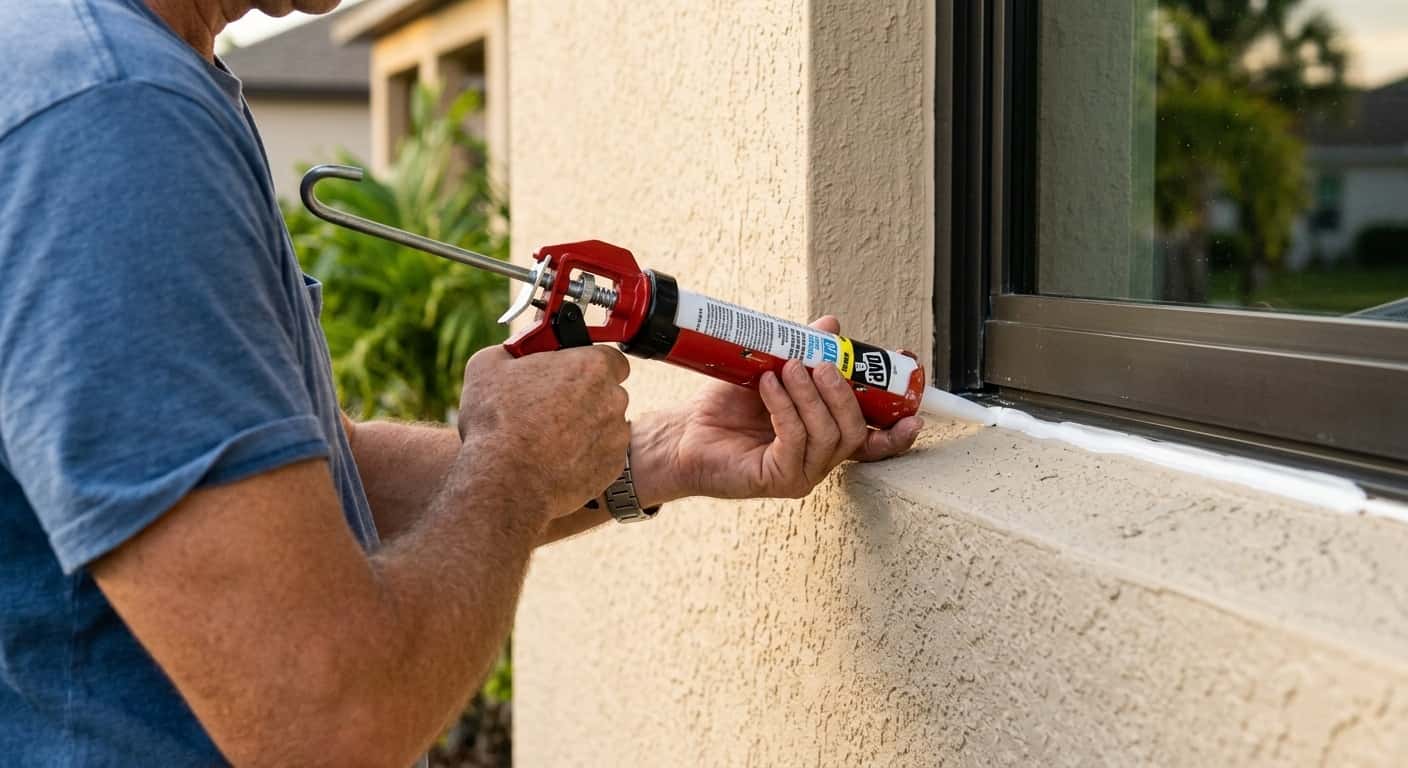
- Vegetation touching siding traps moisture against the wall and gives ants and roaches a direct bridge indoors
- The five moisture sources below cause most of what we find on Tampa Bay service calls
Leaks and Plumbing Problems
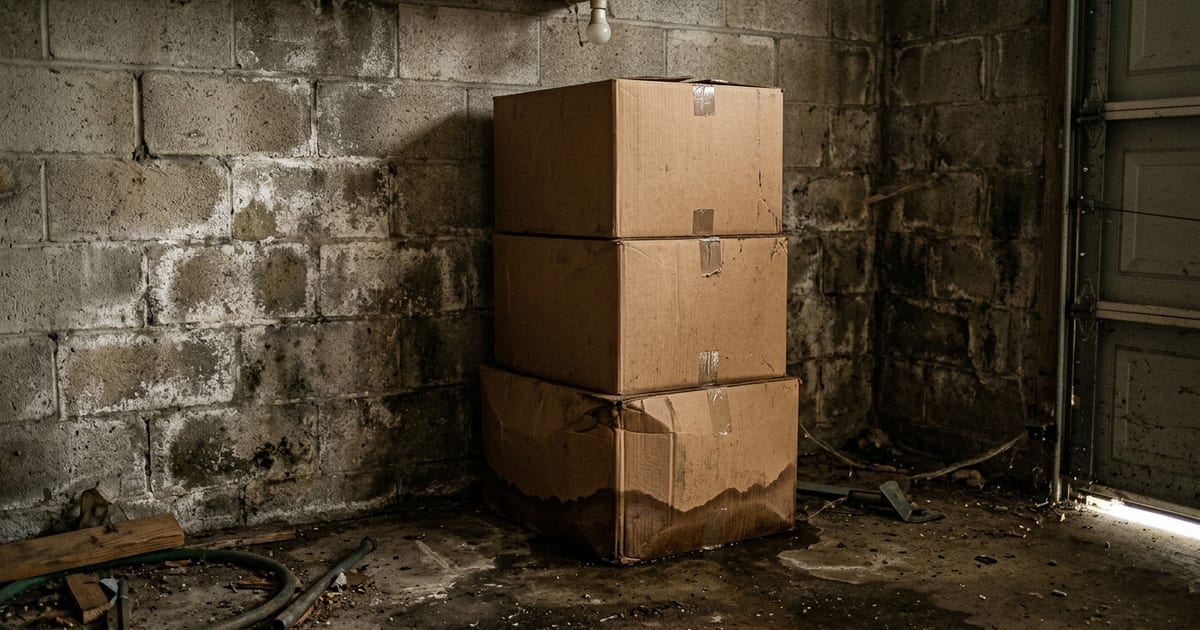
A slow drip under a sink is a reliable water supply. Cockroaches, silverfish, and ants will find it, and because the leak is hidden, the infestation establishes before anyone notices a pest problem at all.
The pests are the symptom you see first. Behind the wall, that same water is softening wood and feeding mold, so the repair bill grows while the colony does.
Check under every sink, behind the toilet base, and around the water heater a few times a year. Look for staining, warped cabinet bottoms, or a musty smell. In a Florida summer, a leak that would take a season to cause damage up north does it considerably faster here, because the surrounding air never dries anything out.
Attic Humidity and Roof Leaks
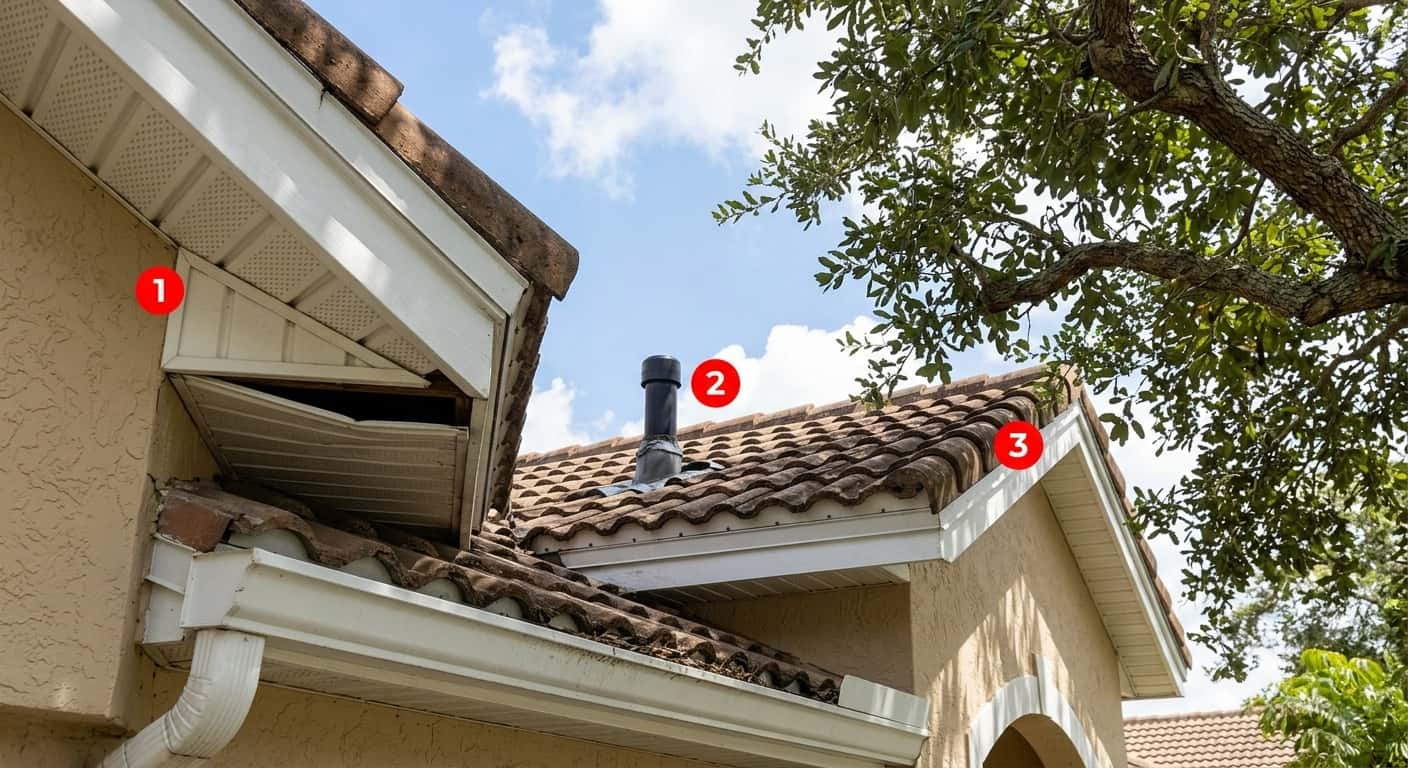
Attics are the least inspected space in most homes and among the most pest friendly.
Poor ventilation traps humid air under the roof deck. Add a small roof leak and you get sustained damp in a dark, undisturbed space. Silverfish thrive in exactly these conditions. UF/IFAS notes they favor areas with high humidity and little airflow, which describes a poorly vented Florida attic almost exactly. American cockroaches move in for the same reason, and rodents follow the shelter and the softened insulation.
Wet insulation is the clearest signal. It mats down, loses its R value, and becomes nesting material. If your attic feels heavy and warm rather than just hot, ventilation is the first thing to look at.
Standing Water After Storms
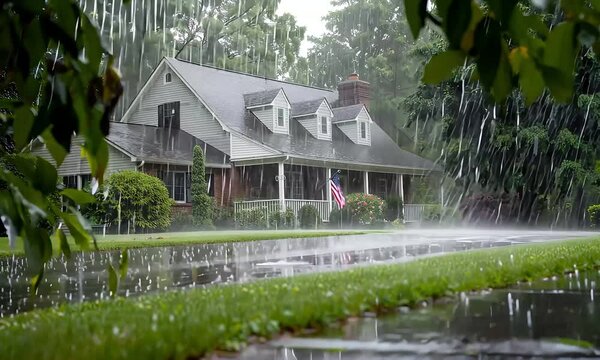
Summer storms leave water behind in places that hold it: low spots in the yard, plant saucers, tarps, wheelbarrows, clogged birdbaths, and the folds of a pool cover.
Mosquitoes need very little. Females lay eggs on the water surface, and those eggs generally hatch within about a day. Larvae develop through to adults in a matter of days in warm conditions. A container that holds rainwater through a single humid week is enough to produce a generation.
Walk the yard the day after a storm and empty anything holding water. Saturated soil against the foundation is the other half of the problem, since it drives ants toward the drier ground your slab provides, which is to say, indoors.
Vegetation Against the House
Summer growth is fast here, and shrubs that were clear of the wall in April are pressing against it by August.
Where plants touch siding, they hold moisture against the wall and block the sun and airflow that would otherwise dry it. That damp strip is habitat. It is also a bridge: ants, roaches, and rodents use branches and thick mulch to reach the wall and travel up it, bypassing every treatment applied to the ground.
Keep shrubs and limbs trimmed back 12 to 18 inches from the house, and pull mulch back from the foundation rather than piling it against the block. This is one of the highest value hours you can spend on prevention, and it costs nothing but the time.
Gutters and Drainage
Clogged gutters do more than overflow. They keep the roofline, fascia, and siding wet for long stretches after each storm, and they dump water directly against the foundation instead of carrying it away.
That produces the two conditions pests want at once: consistently damp wood along the roofline, and saturated soil at the base of the wall. Carpenter ants target the softened wood. Mosquitoes breed in the water standing in the gutter trough itself.
Clear gutters at least twice a year, more often under oaks, and check that downspouts discharge several feet from the foundation rather than beside it.
Where This Leaves You
Every source above is a maintenance problem before it becomes a pest problem. That is the useful part, because it means you can act on most of them yourself with a ladder, a trowel, and an afternoon.
What a homeowner cannot easily do is find the moisture that is already hidden, or judge which damp area is currently supporting an active infestation and which is merely a risk. That is the part worth handing off.
If you are seeing pests and suspect water is behind it, contact Liberty Pest Management for a free quote. We will inspect the areas that hold moisture, identify what is drawing pests in, and build a treatment plan around the actual cause rather than the symptom. We serve homes across Hillsborough, Pasco, and Pinellas counties from our family owned office in Odessa.
Related reading: cockroach control, silverfish control, ant control, and mosquito control.