Silverfish need relative humidity somewhere between 75 and 95 percent to thrive. A typical Tampa Bay morning sits comfortably inside that band.
That single comparison explains most of what people find confusing about silverfish in Florida. They follow humidity, not housekeeping, and Florida supplies the humidity for free. That is also what makes silverfish control different from most pest work: the treatment matters, but the moisture decides whether it holds.
Key Takeaways
- Silverfish prefer 75 to 95 percent relative humidity, and Tampa Bay mornings sit inside that range for much of the year.
- They are nocturnal, so their active hours line up exactly with the wettest part of the Florida day.
- They can survive up to a year without food, which is why starving them out does not work.
- Unlike most insects, they keep molting their whole lives, through 45 to 60 stages, and can live several years.
- Foggers are specifically not recommended for silverfish. The insects live in voids the fog never reaches.
What Is Actually Living in Your Bathroom
A silverfish is a teardrop shaped, wingless insect covered in shiny silver or pearl grey scales, with two long antennae in front and three bristly appendages trailing behind. It moves in a quick wriggling dash and freezes when a light comes on.
They are among the more primitive insects, and their biology is genuinely strange in ways that matter for control.
Most insects molt until they reach adulthood and then stop. Silverfish never stop. They pass through something on the order of 45 to 60 development stages across a lifetime, continuing to shed their skin as adults. Immatures molt six or seven times before maturity, and adults keep going, with individual counts recorded anywhere from 25 to 66. They reach maturity in three to 24 months depending on conditions, and an adult silverfish lives roughly three years. A female’s clutch averages around 50 eggs and can run considerably higher, with those eggs hatching in about three to four weeks.
The number that matters most for treatment: a silverfish can survive up to a year without eating anything at all.
Why Florida Specifically
Silverfish prefer temperatures roughly between 71 and 90 degrees, and at the warmer end of that range they require relative humidity above 75 percent. That is their whole environmental requirement, and Tampa Bay meets it most of the year without trying.
Long term averages put Tampa’s morning relative humidity near 90 percent, falling to the upper 50s by late afternoon. Florida’s state climate office describes typical summer dew points near 70 degrees, which means relative humidity climbs past 90 percent overnight as temperatures fall into the low 70s, then drops as the day heats up.
Now add the behavior. Silverfish are nocturnal. They come out and forage during the overnight hours, which in a Florida summer are precisely the hours when the air is wettest. The insect’s active period and the state’s humidity peak are the same window. That is not a coincidence a homeowner can out clean.
Inside the house, the microclimates are even more favorable than the outdoor average. A bathroom after a shower, a wall void behind a tub, an attic in August, the cabinet under a kitchen sink, a garage that never gets conditioned air. Each of those holds humidity longer than the room it belongs to.
Firebrats: The Same Problem in a Hotter Place
Silverfish have a close relative worth recognizing because it lives somewhere different. Firebrats are mottled grey or brown rather than silver, and they tolerate much hotter and drier conditions, thriving above 90 degrees with an optimum closer to 98 to 102, and surviving humidity as low as 30 percent.
In Florida that puts them in attics through the summer and around water heaters, furnaces, and heat producing equipment year round. If you are finding grey mottled insects in a hot attic rather than silver ones in a damp bathroom, you have firebrats, and the moisture argument below applies less than the heat does.
What They Eat and What the Damage Looks Like
Silverfish eat starches and cellulose. In practice that means paper, book bindings, the sizing in paper and the paste behind wallpaper, glue, cardboard, cereals and flour, pet food, dried goods, leather, dead insects, and textiles including cotton, linen, and rayon. They show a particular preference for glazed paper, and they will eat other silverfish.
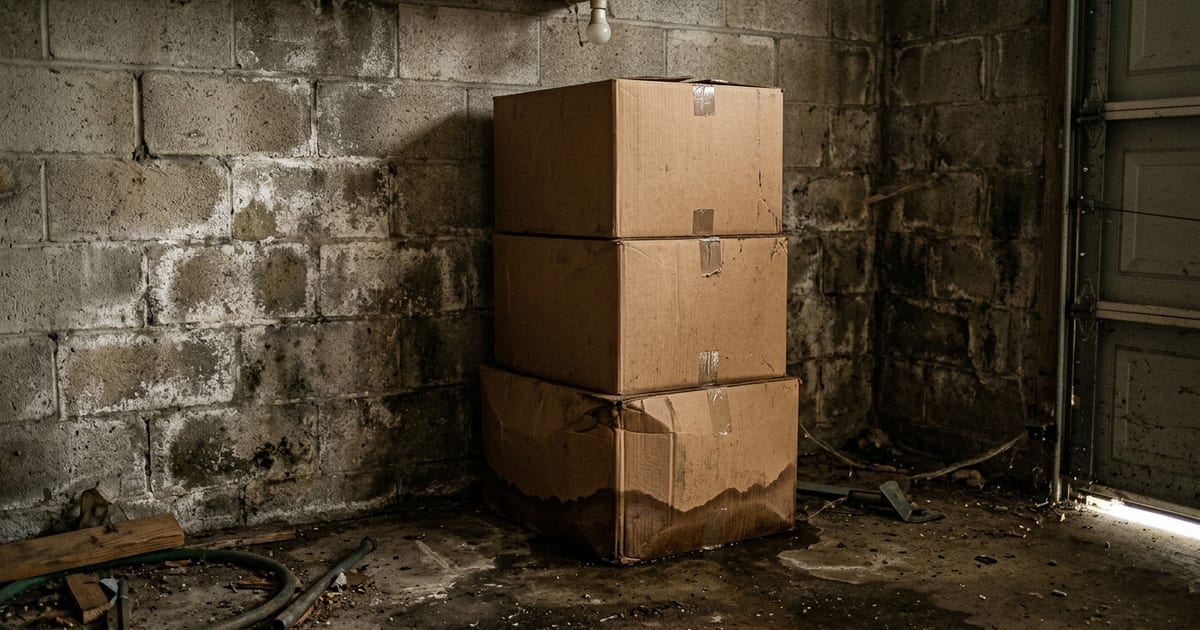
The damage pattern is distinctive once you know it. Their mouthparts are weak, so they scrape the surface of paper rather than biting through it. You get irregular etched patches and grazed areas, not clean holes. On fabric you get notched and ragged edges rather than round punctures. Photographs, stored books, boxed documents, and wallpaper seams are where people usually notice it first, often when opening a box that has been in a Florida garage for a few years.
Are Silverfish Dangerous?
Not in the way people usually mean. Silverfish do not bite, and they are not known to transmit disease. University extension sources treat them as nuisance and property pests rather than a medical concern.
There is one health angle worth knowing. Silverfish shed scales continuously, and those scales contain tropomyosin, a protein recognized as an indoor allergen. It cross reacts with dust mite and shellfish tropomyosins, which are far more familiar allergens. Silverfish material turns up in house dust in homes where nobody has noticed the insects at all, which is part of why the allergen question is studied separately from the nuisance one.
What that means practically: for most households silverfish are a property nuisance. In a home where someone has significant dust allergies or asthma, an unnoticed silverfish population is one more contributor to the allergen load, alongside dust mites and cockroach allergens. It is a reason to deal with them rather than a reason to worry.
Why the Things People Try Do Not Work
Almost everyone has tried something before calling. Here is why the usual attempts disappoint.
Killing the ones you see. The silverfish crossing the bathroom floor at night is a foraging individual from a population living inside a wall void, under insulation, behind a baseboard, or in a stack of stored boxes. Stepping on it removes one insect from a population you have not located.
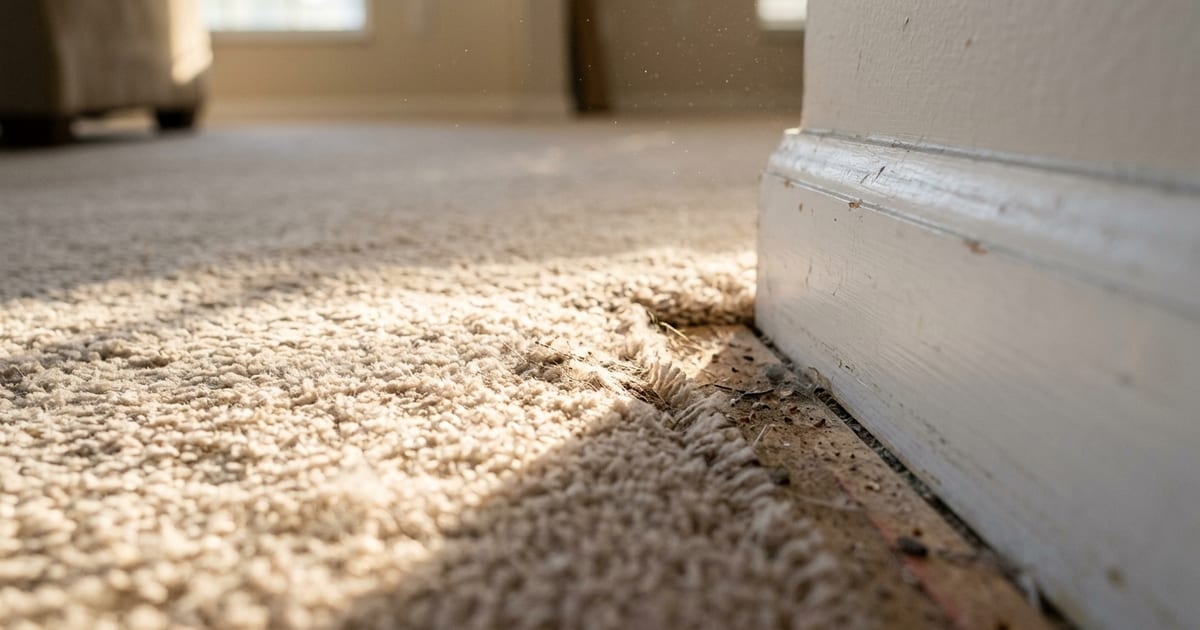
Surface sprays along baseboards. The harborage is behind the baseboard, not on it. Extension guidance is specific that treatment for silverfish belongs in cracks and crevices, into voids, behind drawers, under furniture, and across attic floors, rather than as a broad surface application.
Foggers. University IPM guidance states plainly that foggers are not recommended for silverfish and firebrats. The fog settles on exposed surfaces, which is where the insects are not.
Waiting them out. They survive up to a year without food and live several years. There is no starving them out on any timescale that matters.
Cleaning harder. Removing food sources genuinely helps, but silverfish eat wallpaper paste and book bindings. A spotless house with humid wall voids and a bookshelf is still habitat.
What Actually Works
The real fix is environmental, and the treatment supports it rather than replacing it.
Lower the humidity. This is the intervention that changes the outcome. Dehumidifiers in the spaces that hold moisture, working exhaust fans in bathrooms actually vented outside rather than into the attic, and ventilation in closed up areas. Extension guidance is consistent that reducing moisture and lowering relative humidity with dehumidifiers and fans is often what resolves the problem.
Fix the water. Repair leaks under sinks and around tubs, address condensation on cold water lines, and correct any drainage putting water against the foundation. A slow leak inside a wall is a permanent silverfish habitat regardless of what the rest of the house is doing.
Remove the pantry. Cardboard boxes, old newspapers, stacked magazines, and stored paper are simultaneously food and harborage. Moving long term storage into sealed plastic bins rather than cardboard removes both at once, and it is the highest value thing most homeowners can do in a garage or attic.
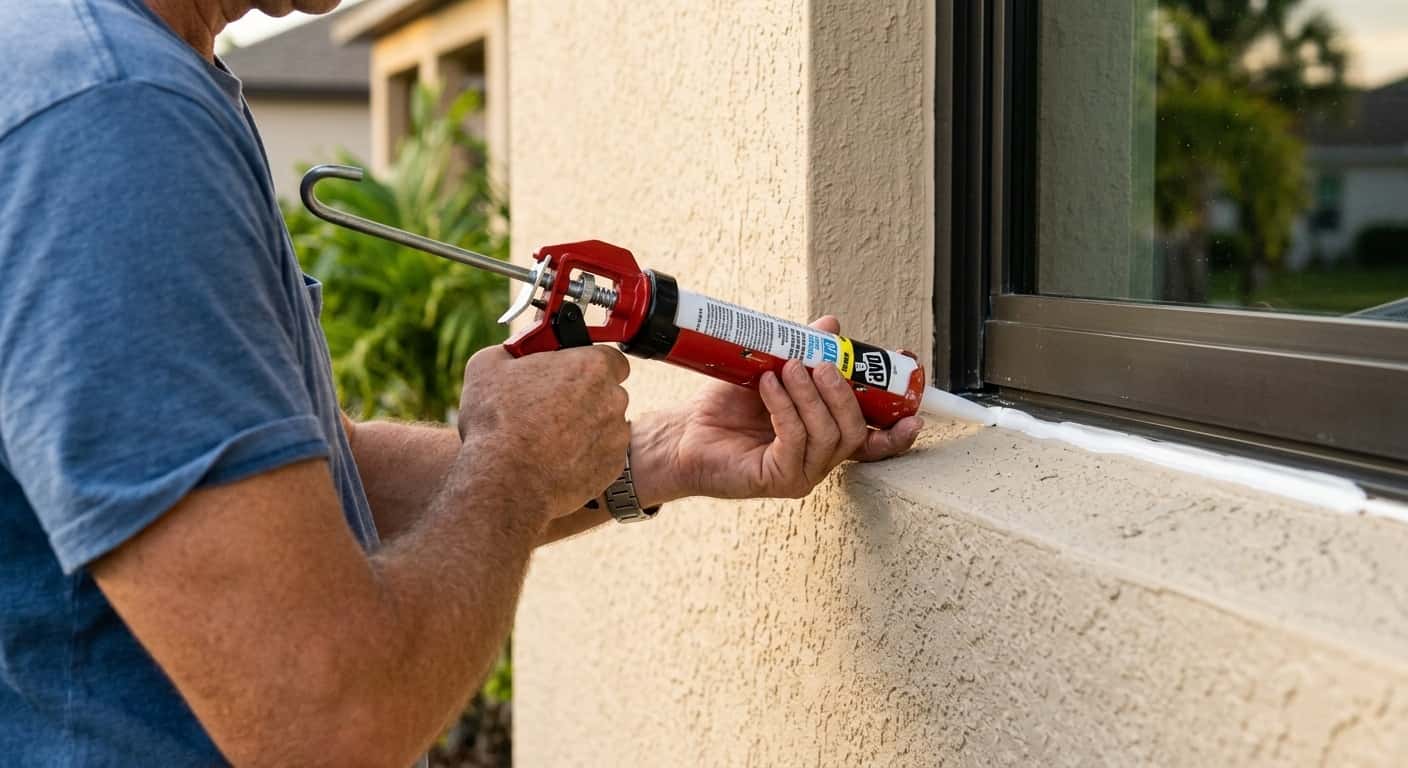
Close the crevices. Seal around plumbing penetrations, wall molding, and window sills, which cuts the routes between voids and living space.
Treat where they live. Professional treatment targets cracks, crevices, voids, and the specific harborage areas rather than open floor, which is the difference between reaching the population and decorating the room.
One thing worth knowing about timing: large indoor invasions often happen when outdoor and void areas dry out during summer, pushing silverfish inward toward moisture. A sudden appearance in July is frequently a migration rather than a new infestation.
What They Are Telling You About the House
A silverfish population doubles as a reading on the building. Finding them consistently in one area means that area is holding humidity above 75 percent for extended periods, and the same conditions that suit silverfish also suit mold, wood decay, and several other pests. Our guide on moisture and pest problems covers how broadly this applies across Florida homes.
So when we find silverfish concentrated in a specific bathroom, closet, or section of attic, the first question is not what to spray. It is what is wet, and why. Sometimes the answer is a failing exhaust fan or a missing dehumidifier. Sometimes it is a leak nobody has found. Occasionally it is construction related, since silverfish are documented as arriving in homes on lumber and wallboard, which is why new builds are not automatically exempt. The same damp voids that suit silverfish also draw cockroaches and support the conditions our seasonal pest proofing guide works through.
Silverfish activity in Florida does not stop for winter. Indoor temperature and humidity stay in range year round, with surges when summer drives them in from drying voids. What changes is where they concentrate, not whether they are present.
If you are finding silver, wriggling insects in a bathroom or scraped paper in stored boxes, the insects are the symptom and the humidity is the cause. Liberty Pest Management is family owned, based in Odessa, and has served Tampa Bay since 2007 under Florida license JB-151032. Ask us for a free quote and we will start by finding out what is holding the moisture.
Liberty Pest Management serves the Tampa Bay area including Pasco, Hillsborough, and Pinellas counties, from Odessa and Land O’ Lakes to Tampa, Brandon, and Clearwater. Licensed by the Florida Department of Agriculture (JB-151032). Call us at 813-961-2627 or get a free quote today.