Odessa is home ground: Liberty Pest Management has operated here since 2007. Our office sits at 19619 Michigan Ave, which means the technician treating your home probably drives past your street every week. We know which roads flood after a summer storm, which oak hammocks drop roof rats onto rooflines, and why the pest pressure at a Starkey Ranch townhome looks nothing like the pressure at a five acre Keystone horse property.
Why Odessa Homes Face Different Pest Pressure
Most of Tampa Bay is subdivision after subdivision. Odessa is different: rural acreage, lakefront homes around Lake Keystone, equestrian properties along the Keystone corridor, and, on the western edge, the planned growth of Starkey Ranch beside the Jay B. Starkey Wilderness Preserve.
That mix creates three distinct problems:
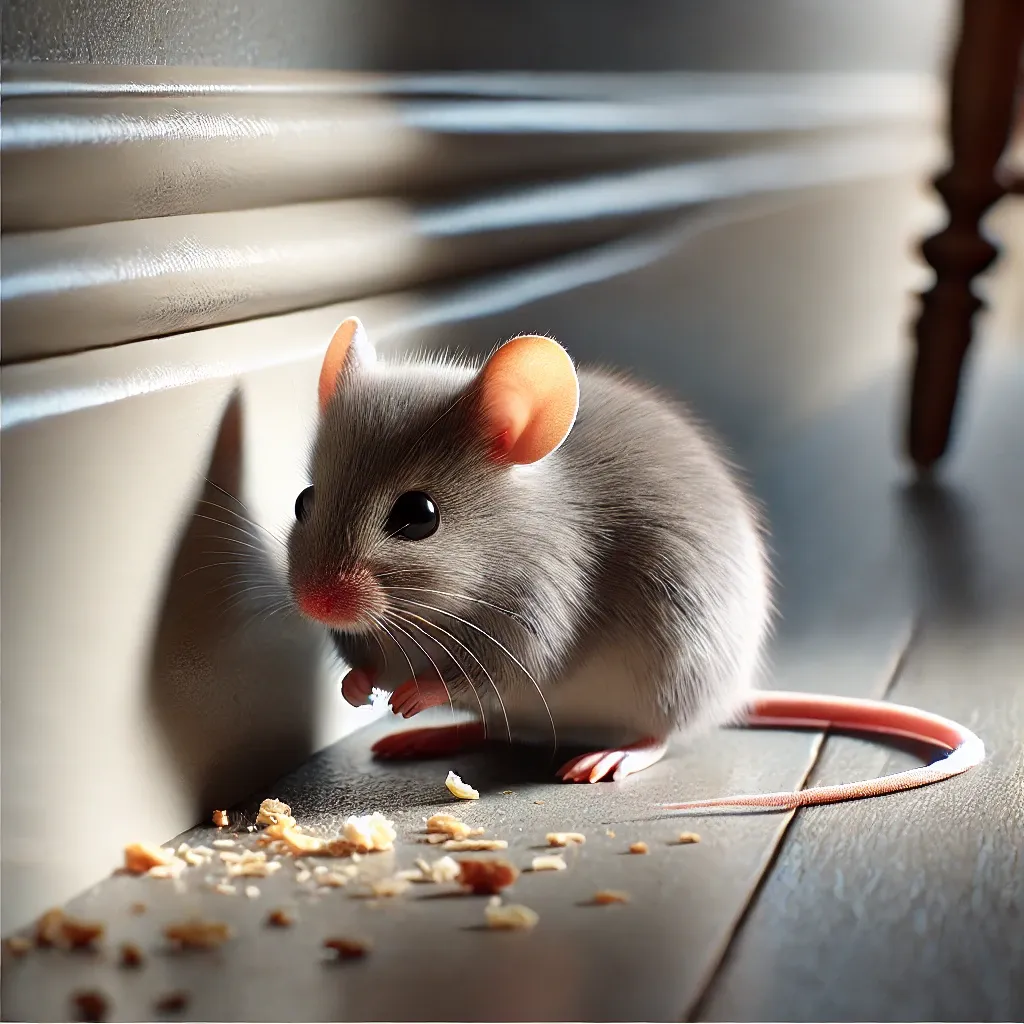
- Wildlife pressure on preserve and wooded lots. Homes backing up to conservation land deal with roof rats, squirrels, and raccoons probing for attic access all year. Our rodent control service starts with the entry point inspection most companies skip.
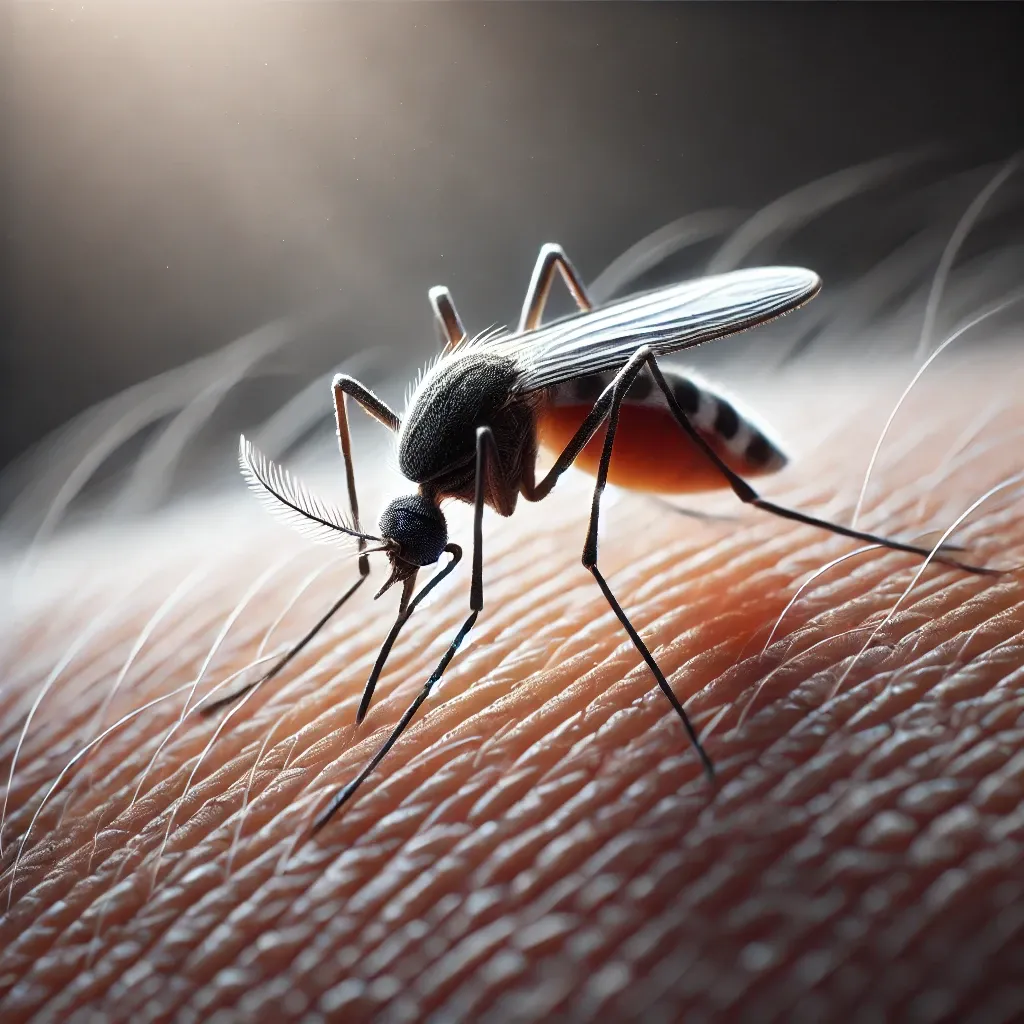
- Standing water everywhere. Between Lake Keystone, private ponds, and wetland edges, mosquito control in Odessa is about finding and treating the breeding sites on your property, not just fogging and leaving.
- Tick and ant problems across acreage. Pasture edges and tall grass harbor ticks; disturbed fill and fresh sod in newer construction feed fire ant mounds. We treat both as part of a plan built for your actual lot, not a standard suburban checklist.
Older Acreage, Newer Rooftops
Odessa’s housing stock splits two ways, and we treat them differently.
Established homes in Keystone, The Eagles, and along the Lake Keystone waterfront tend to have mature landscaping grown up against the structure, wells and septic systems, and years of small gaps that pests exploit. Treatment here leans on exclusion, baiting, and careful product placement away from wellheads and drain fields.
Newer construction in Starkey Ranch and its surrounding phases has the opposite profile: tight construction but disturbed soil, fresh sod, and builder landscaping that fire ants and bigheaded ants colonize fast. New neighborhoods also displace the field rodents that lived there first, and those rodents look for the nearest soffit gap.
An Odessa Year in Pests
Because we live and work here, we can tell you how the calendar runs. Spring starts with fire ant mounds pushing up through pastures and new Starkey Ranch sod after the first warm rains. By June, the wet season fills every retention pond, ditch, and low spot along Gunn Highway, and mosquito calls surge. Lakefront homes feel it first. Late summer belongs to wasps, which by then have grown spring starts under barn eaves and boat dock frames into nests the size of a softball. Then October’s first cool nights send roof rats and squirrels looking for warm attics, and the homes beside the preserve along the Keystone corridor call us the most. Ticks never really leave; on acreage with horses or deer traffic, they’re a consideration over all twelve months.
Knowing that rhythm changes how we treat. A quarterly plan in Odessa isn’t four identical visits; it’s fire ant pressure handled in spring, mosquito source reduction through the wet months, wasp nest checks in late summer, and exclusion inspections before rodent season, with wellheads, gardens, chicken coops, and paddocks protected the whole way through.
What Makes Rural Lots Different
A quarter acre subdivision lot has one structure to defend. A Keystone or Lake Keystone property might have a house, a barn, a well house, a dock, and a fence line backing onto woods: five structures and a wildlife corridor. Treating only the house on a property like that just moves the pests next door to the barn. Our quotes walk the whole parcel, because a plan that ignores the outbuildings isn’t a plan; it’s a subscription to the same problem every quarter.
How We Treat Homes in Odessa
Every plan starts with an inspection, and what that inspection turns up shapes the work from then on. A butterfly garden, backyard chickens, or a dog that owns the yard all change where treatment goes and what gets used, and those are the details worth telling us at the start. Recurring service keeps the barrier maintained through Florida’s wet season, which on this side of Pasco is the stretch that decides how the rest of the year goes.
One thing we don’t do: termites. If we spot signs of them during an inspection, we’ll tell you and refer you to a trusted termite specialist. We’d rather lose a job than blur what we’re best at.
Neighborhoods We Serve in Odessa
Don't see your neighborhood? If you're in or around Odessa, we cover you: reach out or call 813-961-2627.


Odessa Pest Control Questions
How fast can an exterminator get to my Odessa home?
Faster than anywhere else we serve. Our office is at 19619 Michigan Ave in Odessa, so your home is on our home turf. Call 813-961-2627 and we'll get you the earliest slot we have.
Is pest treatment safe for my well and septic system?
Yes. Many Odessa properties run on wells and septic, and our technicians treat accordingly: products stay away from wellheads and drain fields, and we lean on baiting and exclusion where it makes sense.
Do you treat larger acreage and equestrian properties?
We do. A quote for an Odessa property reflects what's actually on it (barns, pasture edges, and outbuildings included) rather than a flat price for a suburban lot. Tick and fly pressure around horses gets factored into the plan.
Which pests are the biggest problem near Lake Keystone?
Mosquitoes lead by a wide margin: shoreline vegetation and calm water put breeding sites steps from the lanai. Roof rats are a close second, since mature oaks near the water give them direct roofline access.
Nearby Service Areas
Ready for a Pest Free Home in Odessa?
The Liberty Pest family answers its own phone. Call 813-961-2627 or request a free quote. One family, one Odessa office, since 2007.