
Lutz sits right next door to our Odessa office, under about as much tree cover as anywhere we work. Where Wesley Chapel’s story is construction and Trinity’s is irrigation, Lutz’s story is written in its live oaks and its lakes: a canopy that shades entire streets, and dozens of natural lakes threading between neighborhoods that range from Old Lutz, a century old, to the country club fairways of Cheval.
The Oak Canopy Problem
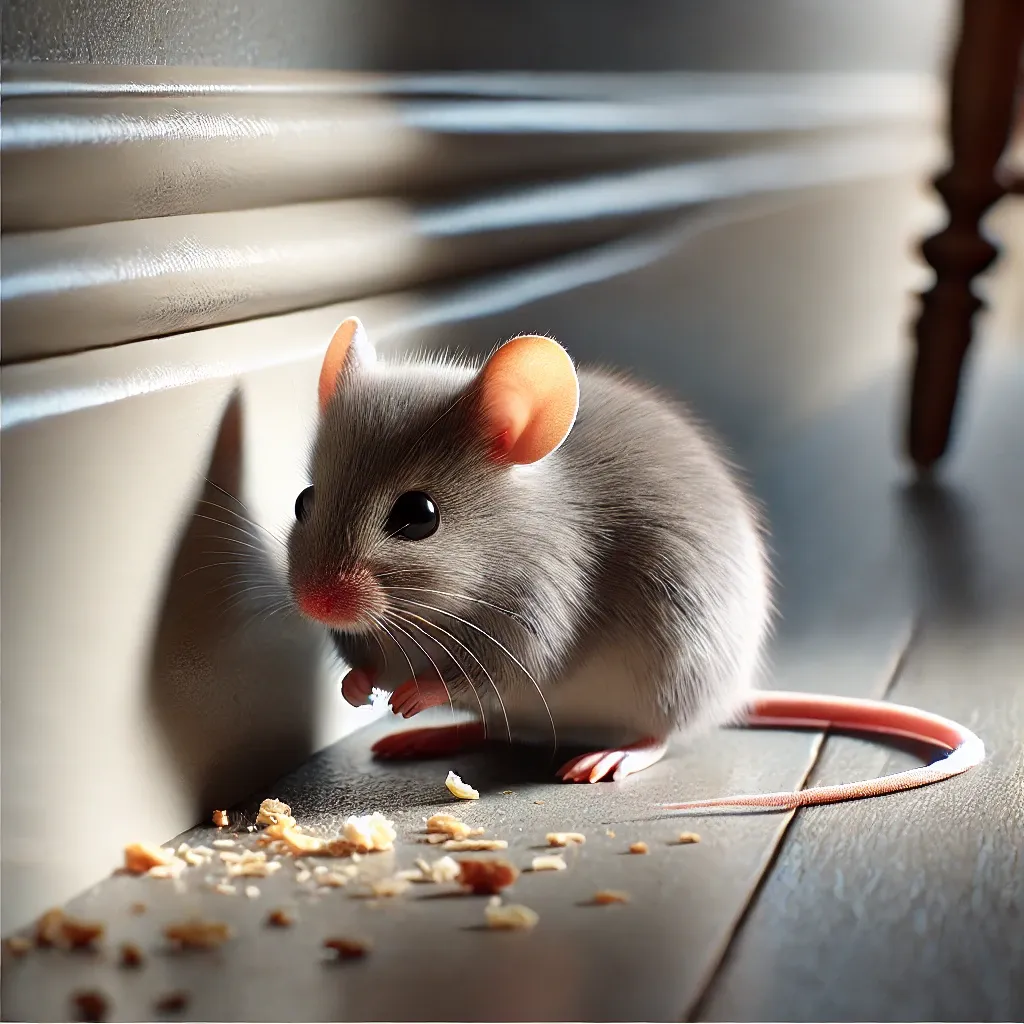
Grand oaks are why people love Lutz, and they’re also the region’s premier roof rat infrastructure. A limb resting on a roofline is a bridge; Spanish moss and dense canopy provide cover for the commute. Homes under heavy canopy see rat and squirrel activity that subdivisions on open lots simply don’t, and the entries are almost always high: soffit gaps, gable vents, the intersection where two rooflines meet. That’s why our rodent work in Lutz starts on the roof rather than in the kitchen: find the limb contact, find the entry, seal it, then trap what’s already inside. If you’re hearing evening scratching overhead, our roof rat guide covers the telltale signs before you call.
The canopy has a second effect: shade keeps soil and mulch damp long after rain, sustaining the moisture that palmetto bugs, springtails, and silverfish depend on. Lots in deep shade fight a different battle than sunny ones, and treatment placement has to respect that.
Sealing the roof is half of it. The other half is what keeps a colony interested in your property in the first place. Roof rats feed heavily on fruit, so a producing citrus tree in a Lutz backyard is a standing food supply through the exact cool months when rats want an attic, and fallen fruit left on the ground overnight is the easiest version of it. Birdseed knocked off a feeder and a pet bowl left out after dark do the same job on a smaller scale. Picking up fruit daily during the season, storing seed and pet food in sealed metal or heavy plastic, and using garbage bins whose lids actually close removes the reason a scouting rat comes back a second night. Storm season is the other thing to watch. Wind lifts shingles, cracks soffits, and knocks vent covers loose, which opens attic entries that did not exist in May, so a walk around the roofline from the ground after any serious blow is worth the ten minutes it takes.
Lakes on Every Side
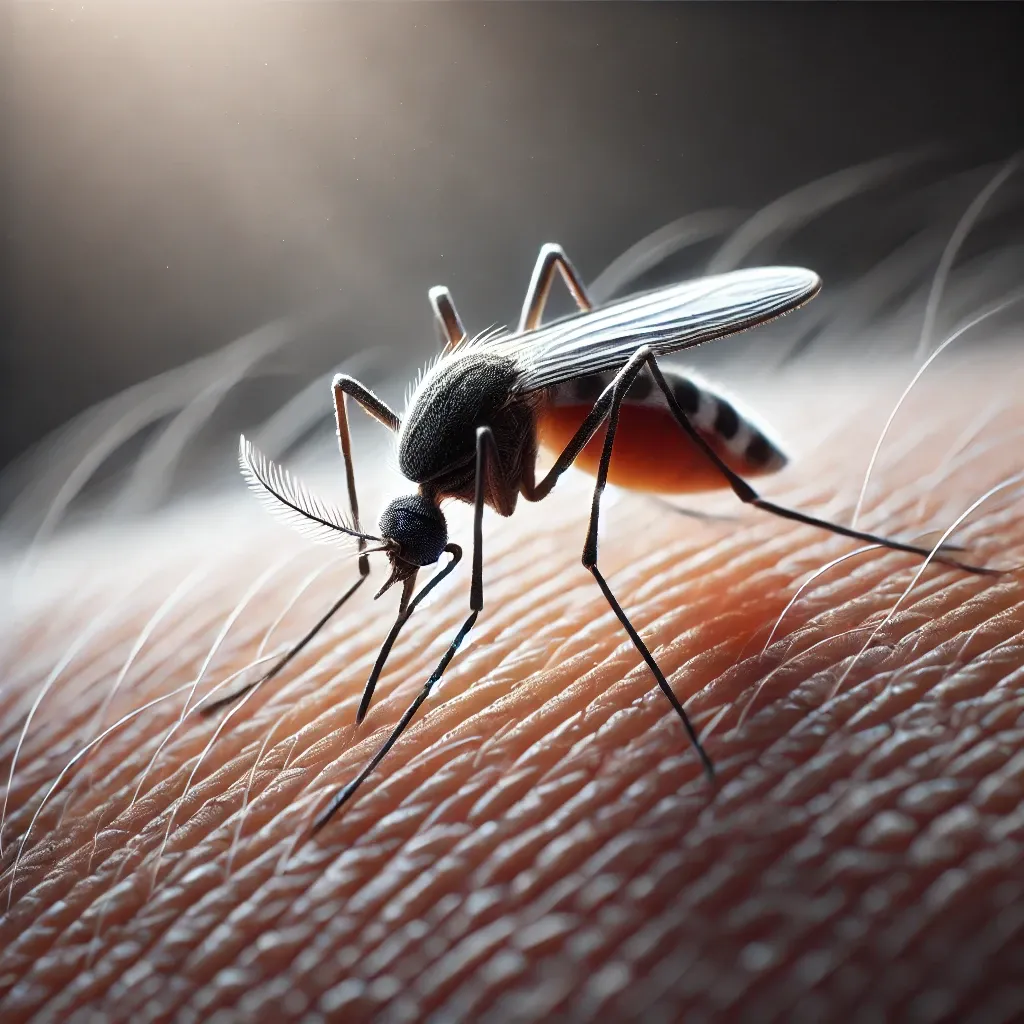
From Lake Fern to the Lakes of Wellington, water defines Lutz’s geography. Vegetated natural shorelines, unlike the mowed banks of engineered retention ponds, are superb mosquito habitat, and lakefront properties feel it from spring through fall. Effective mosquito control on a lake lot means managing what you own: emptying and treating container water, thinning the dense plantings where adults rest, and protecting the lanai line where your evenings actually happen.
Old Lutz and the Established Neighborhoods
Old Lutz along the US 41 corridor carries real history, and with it, homes whose construction predates modern pest exclusion entirely. Crawl spaces, original vents, settled foundations, and mature plantings pressed against the structure all offer entries newer builds never had. Calusa Trace, Ladera, and Cheval are younger but mature enough that original seals and weatherstripping have reached replacement age. Across all of them, our approach leans on exclusion and moisture management as much as treatment, because in an established home the gap is the problem; the pest is just the symptom. Our guide on moisture and pest problems explains why dampness is the single best predictor of what we’ll find.
Country Club Lutz
Cheval deserves its own paragraph, because a gated golf and polo community concentrates every Lutz pest factor in one place: fairway irrigation running against the wet season, pond edges tracing the course, oak lined streets connecting roofline to roofline, and homes large enough that an attic can host activity for months unnoticed. Lots beside the golf course trade the wild shoreline of the lake neighborhoods for engineered water and manicured turf, which shifts the balance from mosquitoes toward ants and rodents, and makes irrigation scheduling a genuine variable in treatment timing. Our technicians service all of Cheval and coordinate with gate staff the same way we do across Trinity’s gated communities: advance notice before every visit and no surprises at the guardhouse.
The broader point holds across Calusa Trace, Ladera, and the other planned sections: managed landscapes need managed pest control. The prettier the turf, the more deliberately the ant work at colony level and the sealing of entry points have to be done.
Minutes From Our Odessa Office
Lutz sits close enough to our office that it has been familiar ground since the beginning. That familiarity is worth something on a property with this much variety in it. A technician who has worked the same street learns which oak drops limbs onto the lanai screen, which garage corner stays damp through August, and which fence line the canopy keeps in permanent shade. Those are the details that decide where a treatment goes, and they are learned rather than guessed.
As always on termites: we don’t treat them. Spot signs during an inspection and we’ll tell you, with a referral to a specialist we’d use on our own homes.
Neighborhoods We Serve in Lutz
Don't see your neighborhood? If you're in or around Lutz, we cover you: reach out or call 813-961-2627.

Lutz Pest Control Questions
I hear scratching in my ceiling at night. What is it?
In Lutz, the likely answer is roof rats, especially if you have oaks near the house. They're nocturnal, they enter high through soffit gaps and limb contact points, and they rarely leave on their own. An attic inspection settles it quickly, and if it's squirrels instead, the treatment path changes, so identification matters.
Should I trim my oaks to keep rats off the roof?
It's one of the most effective single steps a Lutz homeowner can take: a six foot gap between limbs and roofline removes the main highway. We'll point out the problem limbs during an inspection, and pair trimming advice with sealing the entry points rats have already found.
Why does my older home get silverfish when my neighbor's new build doesn't?
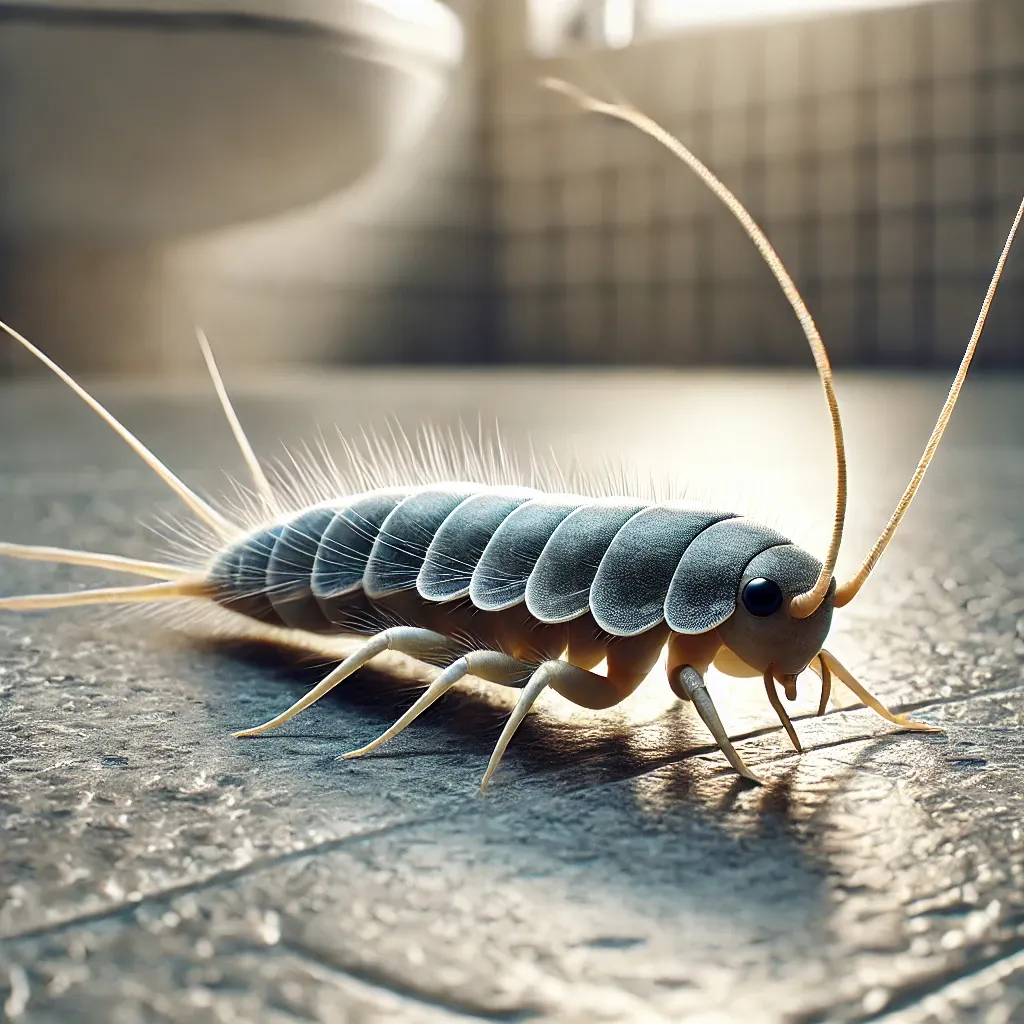
Age equals accumulated humidity and hiding places. Original attic ventilation, older weatherstripping, and decades of stored boxes create the cool, damp, undisturbed pockets silverfish need. Reducing moisture and treating harborage areas together is what actually clears them.
Will an exterminator seal my home's entry points, or just set traps?
With us, sealing is the point. In Lutz's older homes under heavy canopy, trapping without exclusion just books the next rat's arrival: the next one uses the same soffit gap. Our rodent work pairs removal with closing every gap we find, and we'll tell you which oak limbs need trimming while we're up there.
Nearby Service Areas
Ready for a Pest Free Home in Lutz?
The Liberty Pest family answers its own phone. Call 813-961-2627 or request a free quote. One family, one Odessa office, since 2007.