New Tampa is what happens when planned neighborhoods are laced through genuine wilderness. Tampa Palms, Hunter’s Green, West Meadows, Cross Creek, and Arbor Greene sit against the Lower Hillsborough Wilderness Preserve: Flatwoods Conservation Park’s seven mile loop, the Cypress Creek wetlands, and thousands of acres of protected swamp and flatwoods that will never be developed. It’s the reason people move here. It’s also the reason the pest pressure never really stops.
Living on the Preserve Line
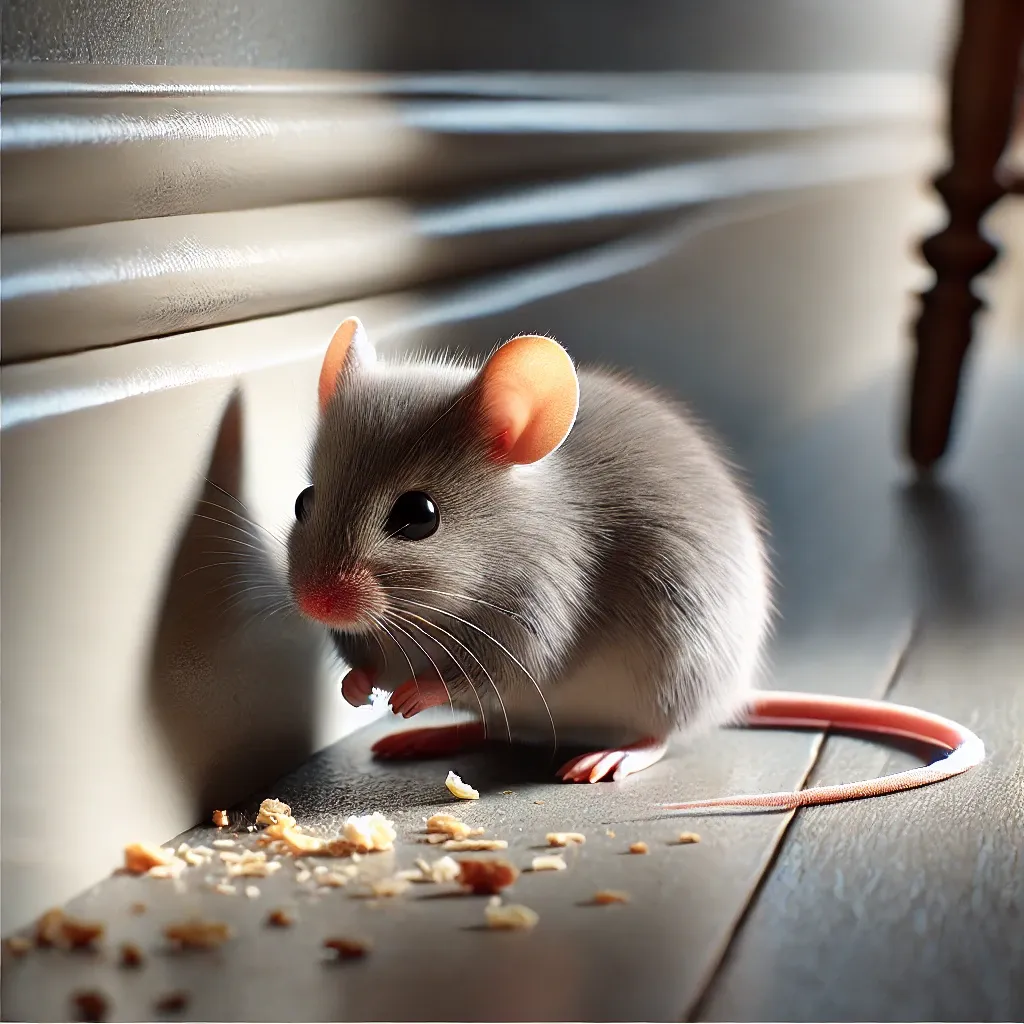
Lots backing up to conservation land are New Tampa’s signature and its central pest challenge. The preserve holds healthy populations of raccoons, squirrels, rats, and everything that eats them, and a suburban attic thirty feet from the tree line is warm, dry, and undefended. Fall is the crunch: as nights cool, traffic into attics rises, and the homes along the conservation edges of Hunter’s Green and West Meadows see it first.
Our answer is sequence, not spraying. Wildlife and rodent work on a preserve lot runs in order: inspection, removal, exclusion: identify what’s active, get it out humanely, then seal the soffit gaps, gable vents, and roof joints that made entry possible. Skipping the last step is why the problem “comes back”: it never left the neighborhood; it just needs the door closed. Our guide to squirrels and raccoons in Tampa Bay homes covers the early signs worth acting on.
Wetlands Do the Breeding
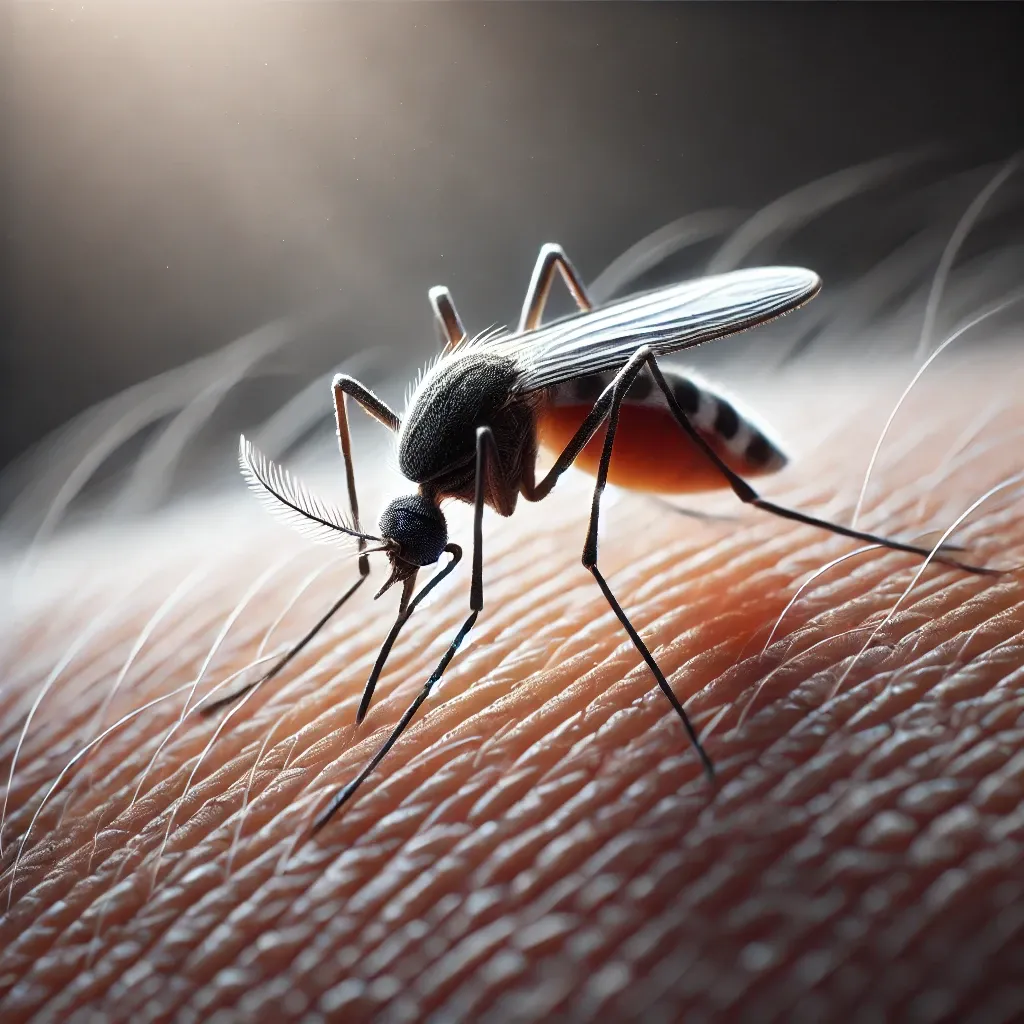
Most subdivisions fight the mosquitoes they create. New Tampa fights the mosquitoes the landscape creates: cypress swamp and conservation ponds breed continuously, out of reach of any treatment. So mosquito control here concentrates on what a property owner can actually control: the shaded, still resting spots where adults wait out the day (dense hedges, lanai corners, the spaces under decks) and the container water that adds a homegrown population on top of the ambient one. Done consistently, that combination changes evenings on the lanai even with a swamp over the fence.
Master Plans Thirty Years Old
Tampa Palms broke ground in the 1980s; most of New Tampa’s villages followed through the 1990s. These are quality homes at the age where original construction quietly opens up: expansion joints widen, weep screeds clog with decades of mulch buildup, and irrigation systems run on habit rather than need. Mature, overwatered mulch beds sustain bigheaded ant colonies at a level fresh landscaping can’t, and long established oaks bring roofline access into play the way they do across the older Tampa suburbs. Routine service in these neighborhoods pairs perimeter treatment with an eye on those aging details, because a clogged weep screed fixed today is a roach call that never happens.
The Bruce B. Downs Corridor
New Tampa’s spine road changes the pest picture along its length. The Bruce B. Downs corridor carries heavy apartment and townhome density, big box retail plazas, and, a few minutes south, the University of South Florida, which means rental turnover on a scale the villages behind the gates never see. Housing with high turnover is how German cockroaches move: they travel in furniture, boxes, and appliances, and every moving weekend redistributes them. For single family homes bordering the corridor’s apartment clusters, indoor roach prevention deserves the attention that homes beside the preserve give to wildlife exclusion, and the treatment approach differs accordingly. On these homes we lead with indoor colony work and the kitchen, rather than the perimeter first approach we run on the conservation lots.
If you’re renting out a New Tampa property, or buying one that was rented, a turnover inspection between occupants is cheap insurance; German roaches caught at move in are a single visit problem, while an established kitchen population is a project.
Serving New Tampa from Odessa
The drive from our Odessa office runs about half an hour across the top of Tampa, and New Tampa’s gated communities are old friends: we know the vendor procedures, the gates, and the community rules, and the quirks of your specific lot along the preserve never need explaining twice, because whoever we send is already up to speed. Service intensity follows the land’s calendar: exclusion checks ahead of fall’s attic season, mosquito emphasis when the wetlands peak in summer, ant and perimeter work in the shoulder months.
Two limits worth knowing: termites go to a referred specialist, and the preserve itself belongs to the county. What we control, thoroughly, is your side of the line.
Neighborhoods We Serve in New Tampa
Don't see your neighborhood? If you're in or around New Tampa, we cover you: reach out or call 813-961-2627.


New Tampa Pest Control Questions
We back up to conservation land. Can you keep wildlife out of the attic?
That's the defining New Tampa problem, and yes. The preserve is permanent, so the answer is exclusion: sealing soffit gaps, gable vents, and roofline joints before fall, when traffic into attics peaks. For animals already inside, removal comes first, humanely, and then the entry gets closed for good.
Why are mosquitoes bad here even when my yard has no standing water?
Because the wetlands do the breeding for you. Cypress swamp and conservation ponds sit within flight range of nearly every New Tampa street, so control focuses on your property's resting sites (shaded dense plantings, lanai perimeters) and on eliminating the container water that adds a local population on top of the ambient one.
Our community is gated with strict vendor rules. Is that a problem?
Not at all. Tampa Palms, Hunter's Green, Arbor Greene, and the West Meadows villages all have vendor procedures we've followed for years, and appointments come with advance notice, so you're never guessing and neither is the gate.
What should I expect an exterminator in New Tampa to check first?
The preserve side of the house. Whichever elevation faces conservation land takes the most pressure. That's where we inspect entry points, wildlife rub marks, and mosquito resting vegetation before anything else. It's a different first move than in a typical subdivision, and it's why local experience matters.
Nearby Service Areas
Ready for a Pest Free Home in New Tampa?
The Liberty Pest family answers its own phone. Call 813-961-2627 or request a free quote. One family, one Odessa office, since 2007.