Temple Terrace was planted before it was built. In the early 1920s, its founders laid out a Mediterranean Revival golf community beside a 5,000 acre Temple orange grove, at the time the largest orange grove in the world, and named the whole enterprise after the fruit. The golf course, designed by Tom Bendelow in 1921, made it one of the first golf communities in the country. The city incorporated in 1925, the groves eventually gave way to neighborhoods, and what remains today is a small city with live oaks old enough to close over the streets, a historic course threading through it, and the Hillsborough River wrapping much of its residential land. Every one of those inheritances shapes its pest life.
The Grove Never Entirely Left
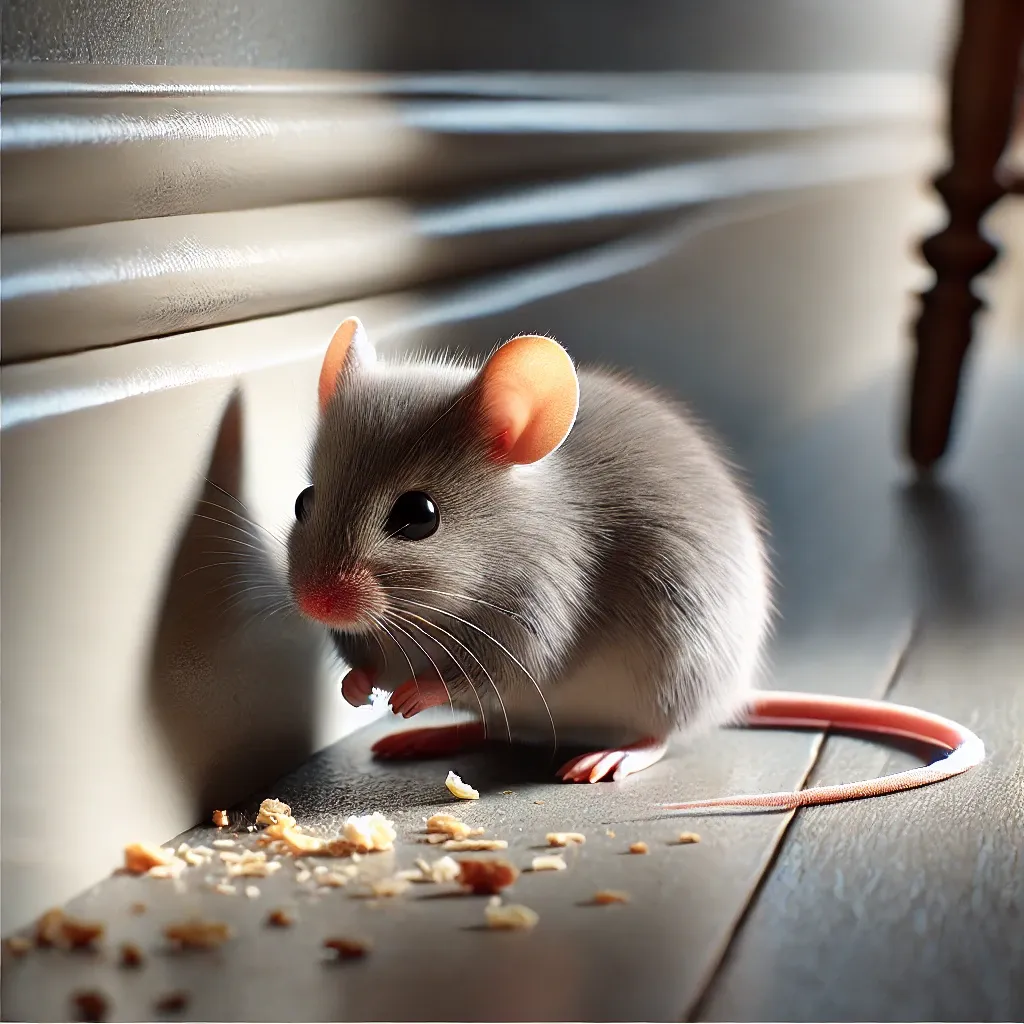
Plenty of Temple Terrace yards still keep a citrus tree or two, descendants in spirit of the original plantings, and that matters because roof rats are Florida’s great citrus opportunists. A fruiting orange or grapefruit tree feeds them through the winter, handing them their best food supply in the same cool months they want an attic, and the city’s magnificent oak canopy carries them from tree to roofline without ever touching the ground. Rodent control here works the whole system: fruit management and limb clearance to remove the draw, exclusion to close the roofline, trapping to clear what is already inside. Our roof rat guide covers the attic warning signs, which in this city are worth knowing by heart.
Tile Roofs Ask for Different Work
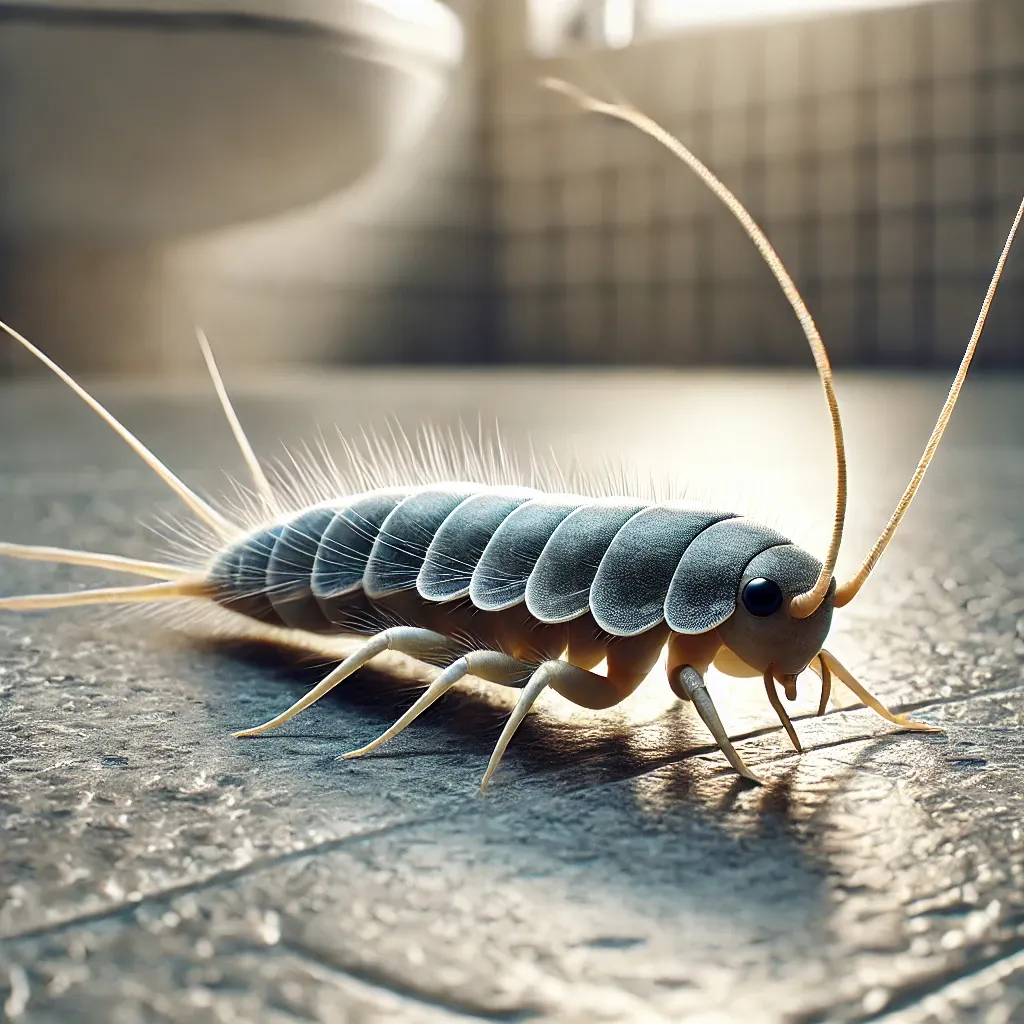
The Mediterranean Revival architecture that gives Temple Terrace its character comes with construction details most of Tampa Bay never deals with. Barrel tile roofs present open tile ends and ridge gaps that shelter rats and wasps. Stucco walls crack in hairlines that ants follow. Courtyards hold shade and moisture in the heart of the house. And interiors from the 1920s carry the plaster, original wood, and closet humidity that keep silverfish comfortable for generations. None of this is a flaw. It is simply a building tradition that needs pest work matched to it, and we fit the treatment to the architecture rather than forcing the architecture to fit a checklist.
The River Wraps the City
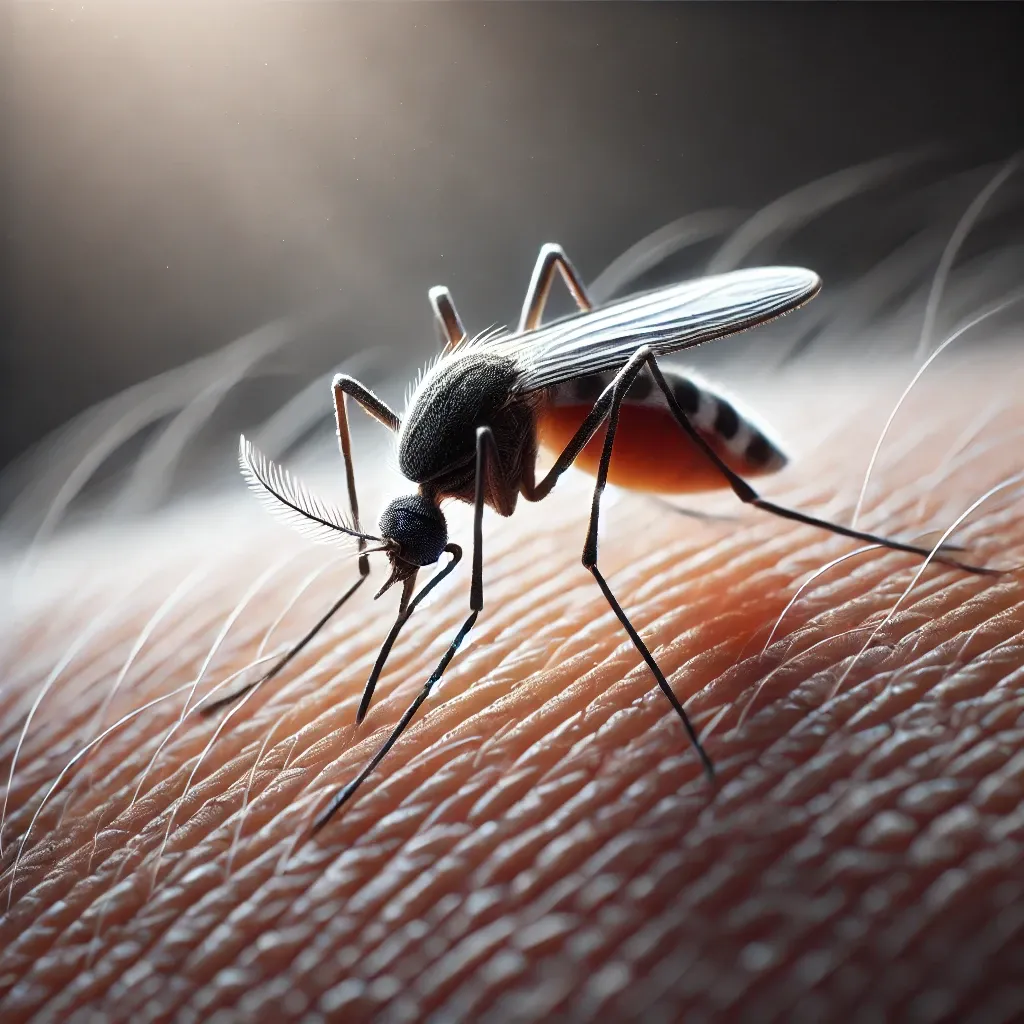
The Hillsborough River borders much of Temple Terrace’s residential area, closer to daily life here than in almost any neighborhood we serve. River swamp is generous habitat: raccoons and possums patrol the banks, rats use the vegetation as cover, and mosquitoes breed in the slack water and spend their days in the oak shade that reaches almost to the waterline. Riverfront blocks in Riverhills Park and along the water get our most thorough perimeter attention, and our wildlife guide explains what to do when the visitors get bold.
The University Next Door
Temple Terrace sits directly beside the University of South Florida, and the campus shapes the western neighborhoods in a way pest control has to respect: rental homes and student households that turn over every summer. Pests do not read leases. A rodent entry point or a roach population in a rental persists across tenants, and each new household inherits the last one’s problem without knowing its history. For the owners and property managers who hold those homes, the working answer is service that tracks the property rather than the occupant, so the gap found in one tenancy is closed for the next, not rediscovered. It is quiet work, and it is worth setting up before August rather than after.
A Century Old Course in the Middle of Everything
Bendelow’s course is no modern water hazard suburb. A hundred years of maturity means specimen oaks, established water, and wildlife that has lived alongside golfers for generations. Homes along the fairways collect the spillover: wasps nesting in deep eaves, mosquitoes from the course ponds, and the occasional armadillo excavating a green side lawn. It is a gracious way to live, and it does its best work with a pest plan that respects how settled this ecosystem is.
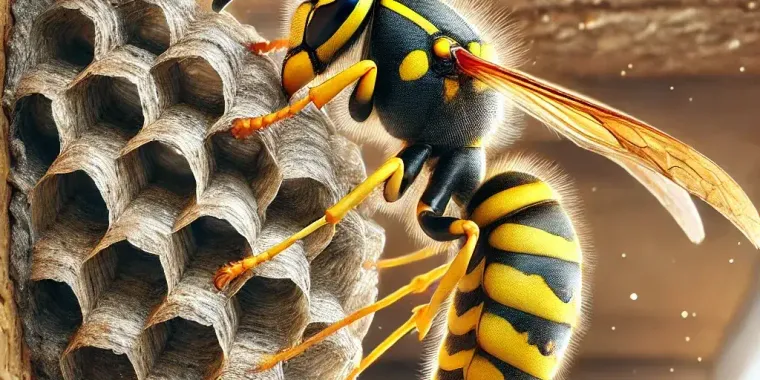
The wasps are worth a closer word, because the deep eaves and shaded courtyards this architecture is built around are the exact framing paper wasps look for. Florida rarely delivers the hard freeze that ends a colony in colder states, so mated queens ride out our winter in bark crevices and siding gaps and start building the moment it warms. In spring that means a comb the size of a golf ball with no workforce yet to defend it, which is the cheapest possible moment to deal with it. Left alone through summer the same colony reaches full strength by fall, and that is when most stings happen. Walk the eaves, the shutters, the courtyard corners, and the grill cover in March and April. Every starter comb you find then is a mature nest you never meet in September, and the ones you should never touch are the ones with steady traffic in and out of a single soffit gap, because a colony inside a void defends hardest.
We have serviced Temple Terrace alongside Tampa and New Tampa for years, from the family office in Odessa: 813-961-2627, or request a free quote. If your house has a tile roof and an orange tree, tell us. In Temple Terrace, that is a whole story in two details.
Neighborhoods We Serve in Temple Terrace
Don't see your neighborhood? If you're in or around Temple Terrace, we cover you: reach out or call 813-961-2627.
Temple Terrace Pest Control Questions
Rats got into our attic through the tile roof. How?
A barrel tile roof is a set of covered tunnels. The open ends and ridge gaps of a tile roof give roof rats sheltered entries that a shingle roof does not offer, and Mediterranean Revival homes carry decades of settling on top of that. Exclusion on these houses means closing tile ends and ridge lines properly, with materials that respect the roof, rather than just stuffing gaps.
Does our backyard orange tree really attract rats?
Yes. Roof rats feed on citrus, and a fruiting tree near a fence line or roofline is both pantry and highway on this side of Tampa. Keeping fruit picked and oak limbs cut back from the roofline removes most of the draw, and exclusion work closes what is left. You do not need to lose the tree. It just needs managing.
We back up to the river. What comes with that?
Wildlife traffic after dark and mosquitoes around the clock. The practical answer is tight screens, a treated perimeter, and a roofline check before winter, and the river stays a view instead of a source. Nothing about backing up to the water needs to change how you live. It only changes what we look for.
How far is Temple Terrace from your office?
About thirty five minutes: we are in Odessa and Temple Terrace sits across the county on the Hillsborough side. It has been part of our coverage alongside Tampa and New Tampa for years, quotes are free, and the price you hear is the price.
Nearby Service Areas
Ready for a Pest Free Home in Temple Terrace?
The Liberty Pest family answers its own phone. Call 813-961-2627 or request a free quote. One family, one Odessa office, since 2007.