
How Do You Get Rid of Rodents in Tampa Bay?
Real rodent control is removal plus exclusion. We inspect your home to identify the species and find every entry point, trap and remove the rodents already inside, seal the openings they used, and keep watch on ongoing visits.
Why Are Roof Rats Florida’s Biggest Rodent Problem?
Most attic noise in Tampa Bay comes from roof rats, agile climbers that reach your roofline along tree branches, fences, and utility lines, then squeeze through a gap about the size of a quarter. Unlike Norway rats, which burrow at ground level, roof rats nest overhead in attics, ceilings, and wall voids. Mice cause similar problems on a smaller scale.
The classic signs, usually in this order:
- Scratching or scurrying sounds in the ceiling or walls at night. Rodents are nocturnal, so you’ll hear them before you see them.
- Droppings in the attic, pantry, or garage, often along walls and near stored food.
- Gnaw marks on wood, plastic, wiring insulation, and food packaging.
- Greasy rub marks where oily fur repeatedly brushes the same route.
- Shredded insulation or paper pulled together into nests.
The damage goes beyond noise. Rodents gnaw constantly to trim teeth that never stop growing, and chewed electrical wiring is a genuine fire hazard. They spread disease through their droppings, urine, and saliva, and they breed quickly: a small problem becomes a colony within months. Our roof rat guide covers the signs, removal process, and prevention in depth, and if you’re not sure what you’re hearing, start with the top five signs of a rodent infestation.
What Makes Tampa Bay Yards So Attractive to Roof Rats?
Tampa Bay feeds and houses roof rats unusually well. Mature citrus trees, palms, and backyard fruit supply food most of the year. A rat living near a producing orange tree never has to work for a meal. Dense landscaping, privacy fences, and overhead utility lines give a climbing rodent elevated highways from yard to yard without ever touching the ground. And the local housing stock, with its tile roofs, vented soffits, and warm attics, offers exactly the high, dry, undisturbed nesting space roof rats prefer.
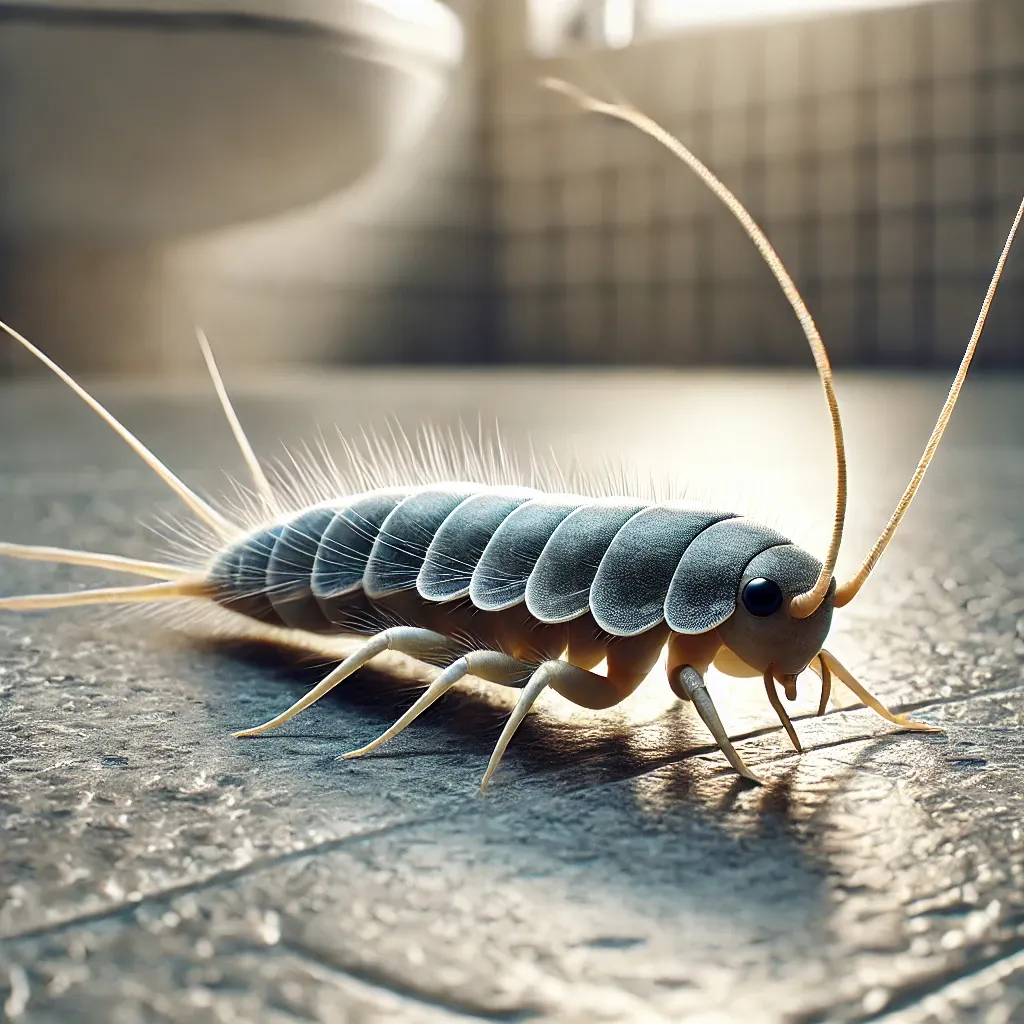
Mild winters keep the population growing. Rats here breed all year instead of seasonally, so the region carries a large standing population that’s always scouting for the next den site. Neighborhoods with mature tree canopy, from Carrollwood to New Tampa, tend to see the heaviest roof rat traffic, because a big oak limb over the roof is shade for you and a bridge for them. Bird feeders and outdoor pet bowls concentrate that traffic further; seed knocked to the ground puts your yard on the colony’s nightly circuit. An attic that suits rats is often a damp one, too. The same humidity and stored cardboard that draw silverfish into an attic make it comfortable for rodents.
The pressure isn’t limited to houses. Restaurants, warehouses, and offices face the same animals with higher stakes: contaminated stock, gnawed wiring, and the reputation cost of a sighting. We handle rodent work for homes and businesses on the same removal plus exclusion model, and since regular exterior visits don’t require anyone on site, protection doesn’t interrupt your household or your workday.
When Is Rodent Season in Tampa Bay?
Rodent activity climbs in fall and winter, when cooler nights push roof rats toward warm, dry shelter, and an attic beats a tree hollow. If you’re going to hear that first scratch overhead, odds are it will be on one of the first cool evenings of the year. But there’s no true off season: with breeding continuing all year, a pair that moves in during any month has a growing family by the next. Spring and summer attics stay attractive too, because what a roof rat wants most is a dry, undisturbed place to raise pups.
Hurricane season adds a spike of its own. Storm winds lift shingles, crack soffits, and dislodge vent covers (attic openings that didn’t exist in May), while flooding drives rats out of ground burrows toward higher ground at the same time. Displaced rats and fresh openings find each other quickly, which is why your roofline deserves a careful look after every major storm, even one that left the shingles alone. Our guide to hurricane season pest problems in Tampa Bay covers the full checklist for after a storm.
Fruit season matters more than most people expect. Roof rats feed heavily on citrus, so yards with productive trees see pressure build as fruit ripens and drops. During season, picking up fallen fruit daily removes the food supply that would otherwise bankroll a growing colony.
Why Do Rat Traps from the Store Stop Catching?
Rats are warier than the pests most traps were designed to fool. Roof rats show strong neophobia, a deep suspicion of anything new in their environment, so a shiny trap set on the attic floor may be detoured around for days or weeks while the colony keeps breeding. DIY trapping usually fails not because the traps are bad but because the rats decline to meet them.
Placement makes the difference. Rats run the same routes night after night, hugging walls and rafters, and those routes are readable: droppings collect along them, and oily fur leaves rub marks at the corners. Traps set squarely on established runways produce; traps set wherever was easy to reach get stepped around. A trap that catches nothing for a week isn’t proof the rats left, either. Fresh droppings mean they’re still there and still avoiding it, and waiting longer just grows the colony.
Poison creates its own attic problem. A poisoned rat that dies inside a wall void or above a ceiling leaves an odor that lingers for weeks and is miserable to locate. Ultrasonic repellers don’t fill the gap either. Rats startle at the sound at first, then get used to it and go right back to work.
The DIY that earns its place: trimming branches off the roofline, locking down pet food and garbage, and sealing the reachable gaps with materials backed with steel. Those steps lower the odds a scouting rat ever finds your attic.
How Our Rodent Treatment Works
On the first visit, your technician inspects the attic, roofline, garage, and exterior to confirm the species and map how rodents are getting in. Soffit gaps, torn vent screens, pipe penetrations, and gaps under doors are the usual suspects. Rats are wary of new objects, so trap placement matters: we set traps along the established travel routes their droppings and rub marks reveal.
Then we close the door behind them. Trapping without sealing entry points just makes room for the next rodents, so exclusion, sealing the openings they used, is the step that makes removal stick. You also get prevention recommendations covering the food sources and access routes that attracted them in the first place.
On ongoing visits, we monitor for fresh activity as part of your regular service. Most homes stay protected on a quarterly schedule; heavier rodent pressure sometimes calls for service every month or every other month.
What to Expect
You don’t need to be home for regular exterior services; interior trap work is scheduled with you. Our methods are safe around children and pets: we favor targeted trapping and exclusion over blanket approaches.
Because removal depends on colony size and how many entry points a home has, timelines vary. Your technician gives you an estimated timeframe at the initial assessment.
How to Prevent Rodents
- Trim tree branches back from the roofline. Overhanging limbs are the most common roof rat highway.
- Pick up fallen fruit from citrus and palm trees; it’s a standing buffet.
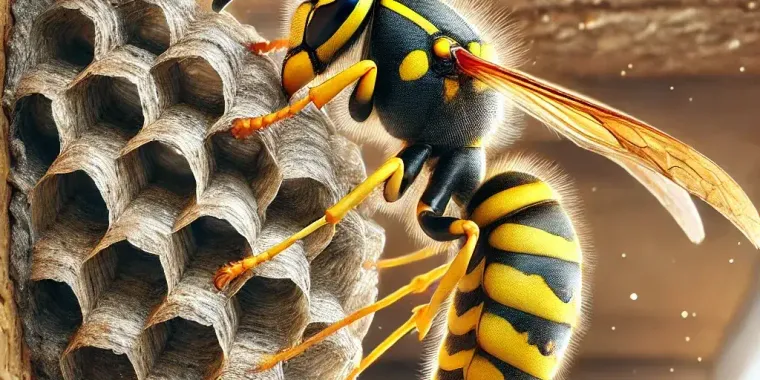
- Fill in abandoned ground burrows once the rodents are gone. Empty burrows are prime nesting real estate for yellowjackets.
- Store pet food and birdseed in sealed metal or heavy plastic containers, and never leave pet food out overnight.
- Use garbage bins with lids that fit tightly.
- Seal gaps around doors, pipes, and vents. Stuff steel wool into openings before caulking. Rodents chew through foam alone. The same sealing work shuts out ants and roaches using those gaps.
- After storm season, walk your roofline from the ground and look for lifted soffits, torn vent screens, and new gaps.
Liberty Pest Management is family owned and has served Tampa Bay since 2007, covering Tampa, Brandon, Land O’ Lakes, Wesley Chapel, and the surrounding area. Call 813-961-2627 or contact us for a free quote. The scratching in the ceiling won’t stop on its own.
Rodent Control Questions
What rodents are most common in Tampa Bay homes?
Roof rats are the most common: excellent climbers that nest in attics, ceilings, and wall voids. Norway rats and house mice show up too, which is why every treatment starts with species identification.
Do you use traps or poison for rodents?
We rely on targeted trapping and exclusion: trapping removes the rodents already inside, and sealing entry points keeps new ones out. Methods are chosen after inspection and are safe around children and pets.
Can rodents come back after treatment?
They'll try. That's why sealing entry points is part of the job, not an extra.
Do I need to be home for rodent service?
Not for regular exterior visits. Interior inspections and trap checks are scheduled with you.
Where We Provide Rodent Control
Liberty Pest Management provides professional rodent control services throughout Pasco, Hillsborough, and Pinellas counties.
Explore all of our Tampa Bay service areas for local pest details in your community.

Ready to Get Rid of Rodents?
Contact Liberty Pest Management today for a free consultation and customized treatment plan.