Ruskin started as an experiment. Dr. George Miller and his wife Adeline founded it in 1908 and named it for John Ruskin, the British thinker who argued education should be available to everyone, and in 1910 the Ruskin Commongood Society platted the town around a college where students worked part of each day to pay their own tuition and board. The college did not survive the First World War. The farmland did, and UF/IFAS still counts this area as one of Florida’s five centers of commercial tomato production. Now houses are going up on those fields faster than almost anywhere in south Hillsborough County, which puts a lot of new roofs next to a lot of old habitat.
The Bay With the Wrong Name
Cockroach Bay is the local landmark a pest control company cannot resist, and the name has nothing to do with roaches. The accepted account is that Spanish explorers found the shoreline’s horseshoe crabs so plentiful they called them cockroaches. What sits there now is a state aquatic preserve, protected as an Outstanding Florida Water, with oyster reefs, seagrass beds, mangrove tunnels, and marked canoe trails through the county’s nature preserve at the end of Cockroach Bay Road.
Up the shoreline, E.G. Simmons Conservation Park holds hundreds of acres of mangrove, a stretch of Tampa Bay beach, and a wildlife sanctuary. Living beside protected coastal habitat is the reason people move here. It also means mangrove edge, tidal creek, and marsh sit permanently within flight range, and no yard program changes that. What a yard program manages is the part that reaches your door.
A Shoreline That Sets Its Own Clock
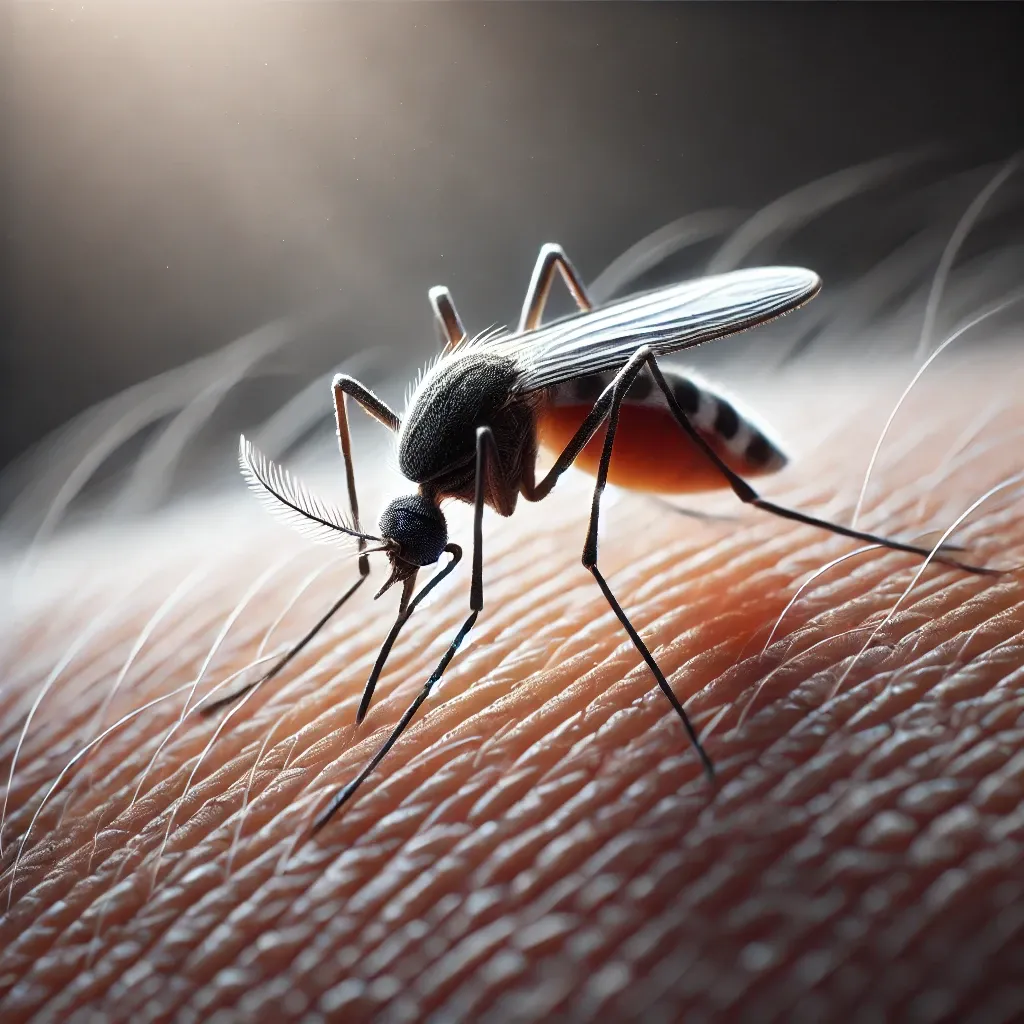
The single most useful thing to know about mosquitoes in Ruskin is how the local species reproduces. The black salt marsh mosquito does not lay eggs in standing water. It lays them in moist soil above the water line, in sheltered places that flood only when the water gets high enough, and the eggs wait there until it does. Then a tide or a hard rain covers that ground and the whole brood hatches at once. That is why a calm week on this shoreline can turn into an evening you cannot sit outside, with no new puddle in your yard to explain it. UF describes this species as emerging in large numbers after flooding, biting aggressively, and turning up far from the marsh that produced it, which is the part people half a mile from the water tend to learn the hard way.
What the County Does and Does Not Cover
Hillsborough County treated more than 337,000 acres for mosquitoes in 2023, much of it granular larvicide dropped by aircraft over the coastal marshes, which is the exact habitat this page is about. Traps and a sentinel chicken flock watch for virus activity across the forty plus mosquito species the county counts. What none of that reaches is your lot. The containers that fill on your property and the shaded foliage where adults rest through the day are yours, and near this shoreline that private layer is the difference between a treated county and a usable backyard. Our mosquito guide covers the season in full.
Fields Becoming Streets
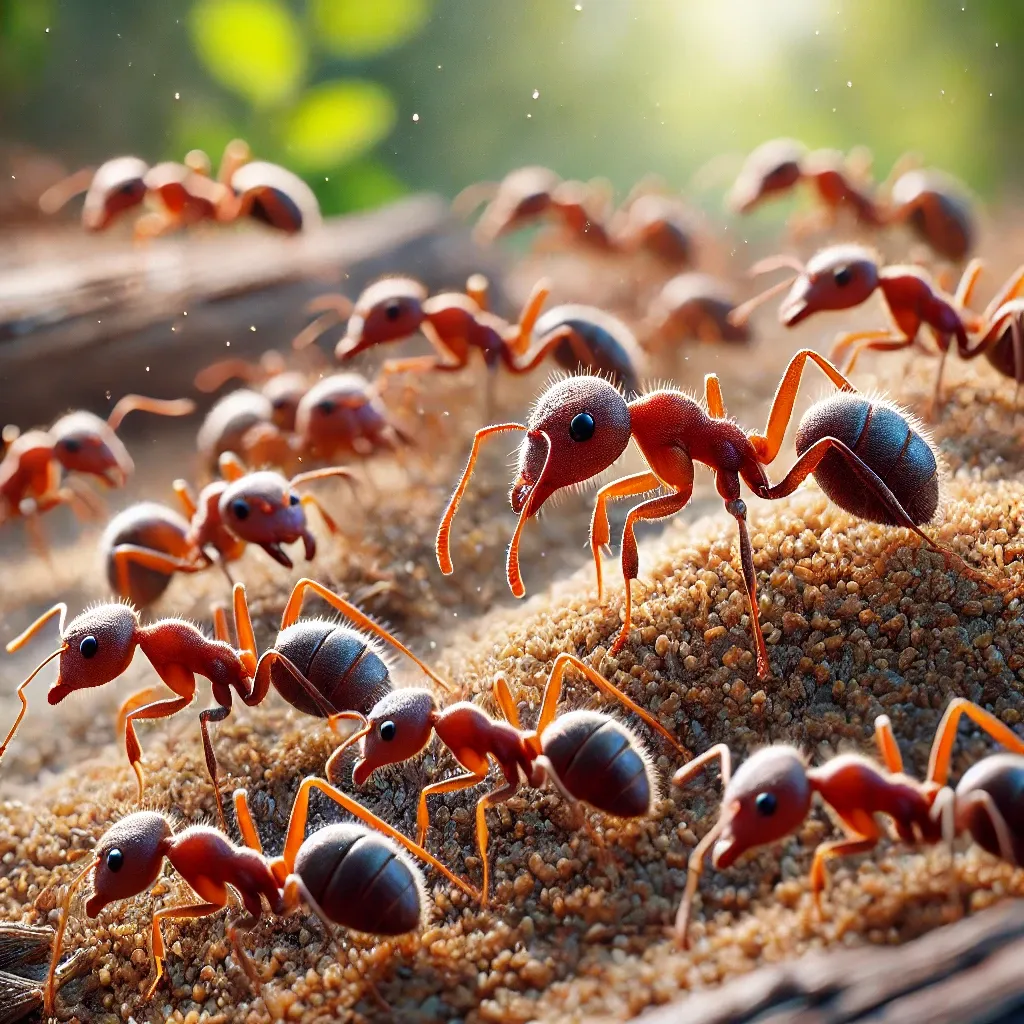
Fire ants prefer open, sunny ground: pastures, lawns, meadows, cultivated fields. That is a description of the SouthShore land that has been turning into subdivisions for the last two decades. Three things then compound it. Colonies ride in with nursery stock and delivered soil, so a new lawn can arrive already stocked. Mating flights follow rainy periods, and newly fertilized queens start colonies wherever they land. Fresh water flooding floats colonies out of their mounds to establish somewhere new, which matters on ground this close to a river. Mounds can reach a foot and a half or more, and the ants sting repeatedly when anything disturbs them, so the mound by the mailbox is worth handling rather than mowing around. Our fire ant guide explains why the treatment has to reach the colony.
River, Farm, and Roofline
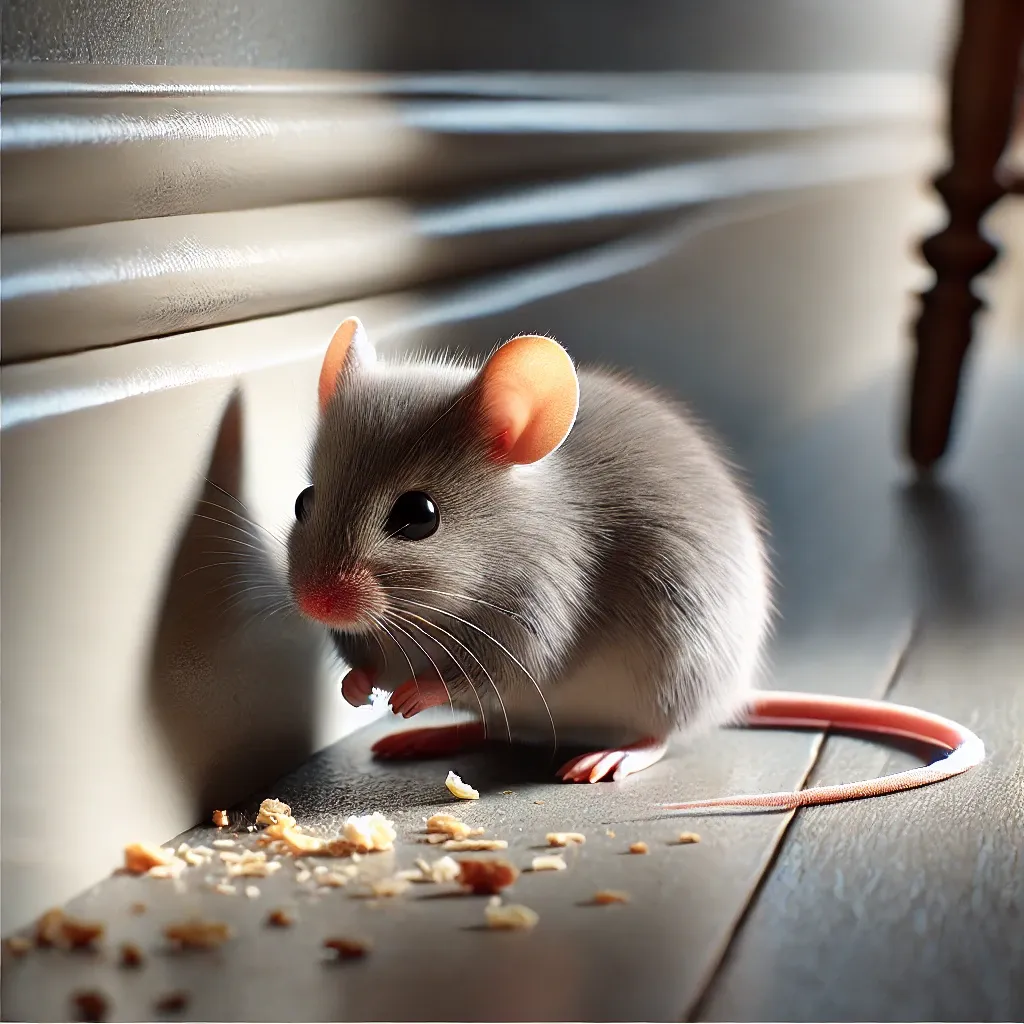
The Little Manatee River runs past town into Tampa Bay, protected along most of its length as an Outstanding Florida Water, and its lower miles are tidal. Between the river corridor, the remaining farm operations, and the packing and equipment buildings that agriculture keeps, rodents have continuous harborage close to neighborhoods that did not exist ten years ago. New construction does not inherit an old home’s entry gaps, which helps, and it does inherit the surrounding landscape, which does not. Exclusion work on this side of the county is mostly about the roofline and the utility penetrations, done before the attic gets busy rather than after.
The marsh sets the schedule here and the fields decide the rest. Liberty Pest Management is family owned in Odessa and covers all of Hillsborough County: 813-961-2627, or request a free quote online.
Ruskin and the SouthShore Communities We Serve
Don't see your neighborhood? If you're in or around Ruskin, we cover you: reach out or call 813-961-2627.
Ruskin Pest Control Questions
Is Cockroach Bay actually named after cockroaches?
No, and the real story is better. The accepted account is that early Spanish explorers found horseshoe crabs so abundant along this shore that they called them cockroaches, and the name stuck to the bay. Today Cockroach Bay is a state aquatic preserve and an Outstanding Florida Water, with oyster reefs, seagrass, and mangrove tunnels you can paddle. It is one of the cleaner corners of Tampa Bay, and its name is a translation problem from four centuries ago.
Why do the mosquitoes arrive all at once after a high tide?
Because that is exactly how the local species works. The black salt marsh mosquito does not lay eggs in water. It lays them in moist soil above the water line, in sheltered spots that only flood when water gets high enough. When a tide or a heavy rain finally covers that soil, the eggs hatch together, and a shoreline that was quiet produces a brood on the same schedule. UF research notes they emerge in large numbers after flooding and bite aggressively, and they do not stay near the marsh that produced them.
We are half a mile from the water. Are we far enough from the marsh?
Probably not far enough to skip treatment. UF finds this species well inland, far from the marsh that produced it, so distance from the shoreline helps less than people expect. What you can control is your own lot: the containers holding water, and the shaded foliage where adults rest during the day. That is what a yard program treats, and near this shoreline the monthly rhythm matters more than the distance to the marsh.
Our subdivision was a farm field five years ago. Does that explain the fire ants?
It explains a lot of it. UF documents that fire ants prefer open sunny ground such as pastures, lawns, and cultivated fields, which is a fair description of most of the SouthShore land now filling with houses. Colonies also travel in nursery stock and soil, so delivered sod can arrive with them, and flooding floats colonies to new ground. Treating the colonies rather than the mounds is the part that holds.
Nearby Service Areas
Ready for a Pest Free Home in Ruskin?
The Liberty Pest family answers its own phone. Call 813-961-2627 or request a free quote. One family, one Odessa office, since 2007.