Most Hillsborough communities were built by removing what was there. FishHawk was built around it. When Newland Communities began developing FishHawk Ranch in the 1990s, next to the older FishHawk Trails, the plan kept woods, creek buffers, and open land inside the property lines rather than clearing 3,000 acres down to buildable dirt. It became the first certified green new home community in Hillsborough County. The 2020 census counted 24,625 people across its villages, about twenty miles southeast of downtown Tampa, and the thing they most often say they love about the place is the thing that decides their pest profile. The preserved land is not around FishHawk. It is inside it.
The Amenity Is the Pressure
Draw the wildland edge on a map of a conventional subdivision and it is a single line at the outer boundary. Try that here and the line will not stay put. It threads between villages, follows creek buffers, wraps the trail network, and runs behind streets that sit nowhere near the perimeter. Functionally, most lots in FishHawk are edge lots.
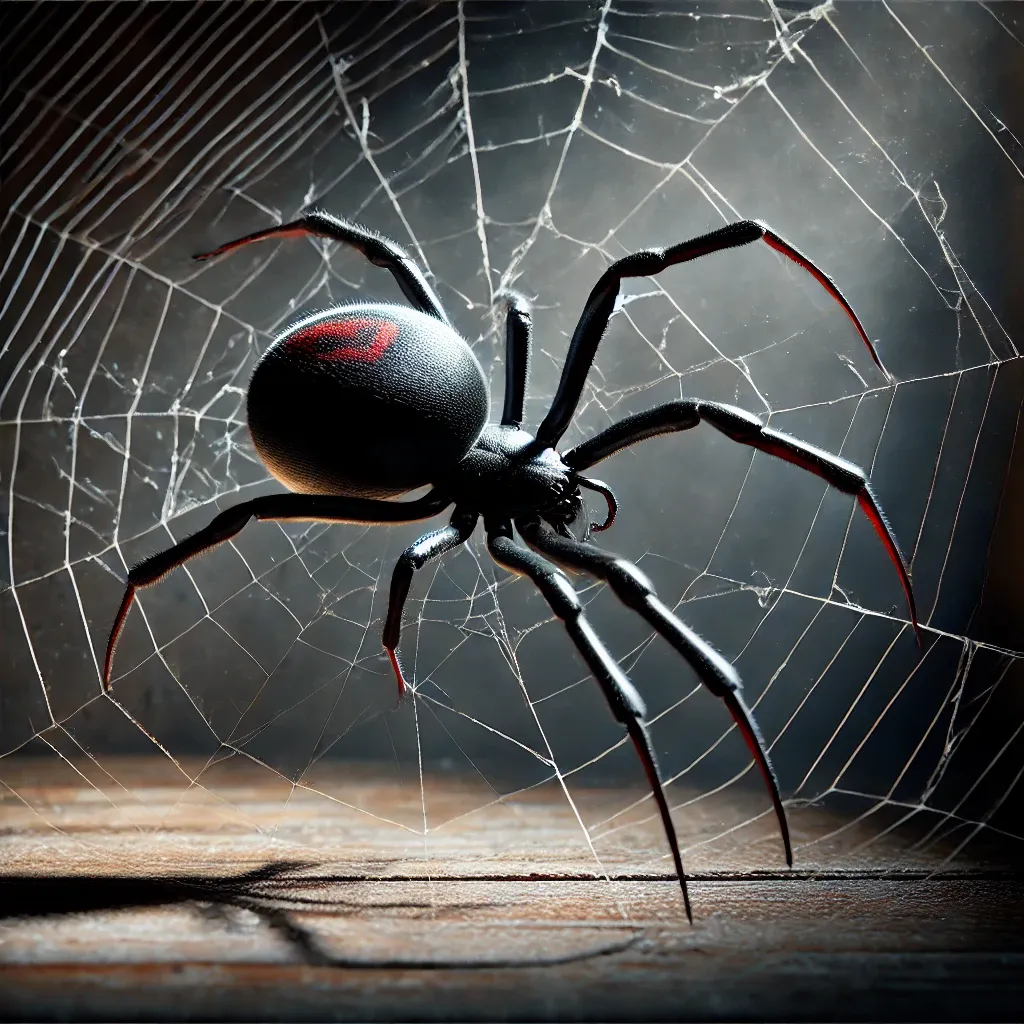
That matters because pests do not read a plat. What they read is habitat adjacency, and habitat adjacency is what conservation design maximizes by design. Spiders register the difference fastest, for a reason most people never learn: spiderlings travel by air. They spin a thread, let the breeze take it, and settle wherever they land, which means a wooded buffer restocks the yards near it continuously. Clearing webs is therefore maintenance, not resolution, and in a community where buffers sit between the villages, more homes are downwind of one than the map suggests.
Lighting decides where that population concentrates. Fixtures pointed outward at a walkway pull flying insects into a bright column beside the front door, and web builders settle where the food gathers. Turn the same fixture back toward the wall, or move it away from the entry, and the insects gather somewhere that is not your threshold. The web that keeps returning to one specific corner is reporting a food supply, not a cleaning lapse.
None of this is an argument against how FishHawk was built. It is the reason a treatment plan copied from a scraped flat subdivision underperforms here.
What the Ranch Left Behind
Before the villages, this was ranch land: pasture, woods, and a CSX rail corridor that came out in the late 1980s, with a train station that had once brought supplies and mail to Lithia residents. Portions of that historic Lithia community sit inside FishHawk’s boundaries today. The name itself comes from Little Fishhawk Creek, a tributary of the Alafia River.
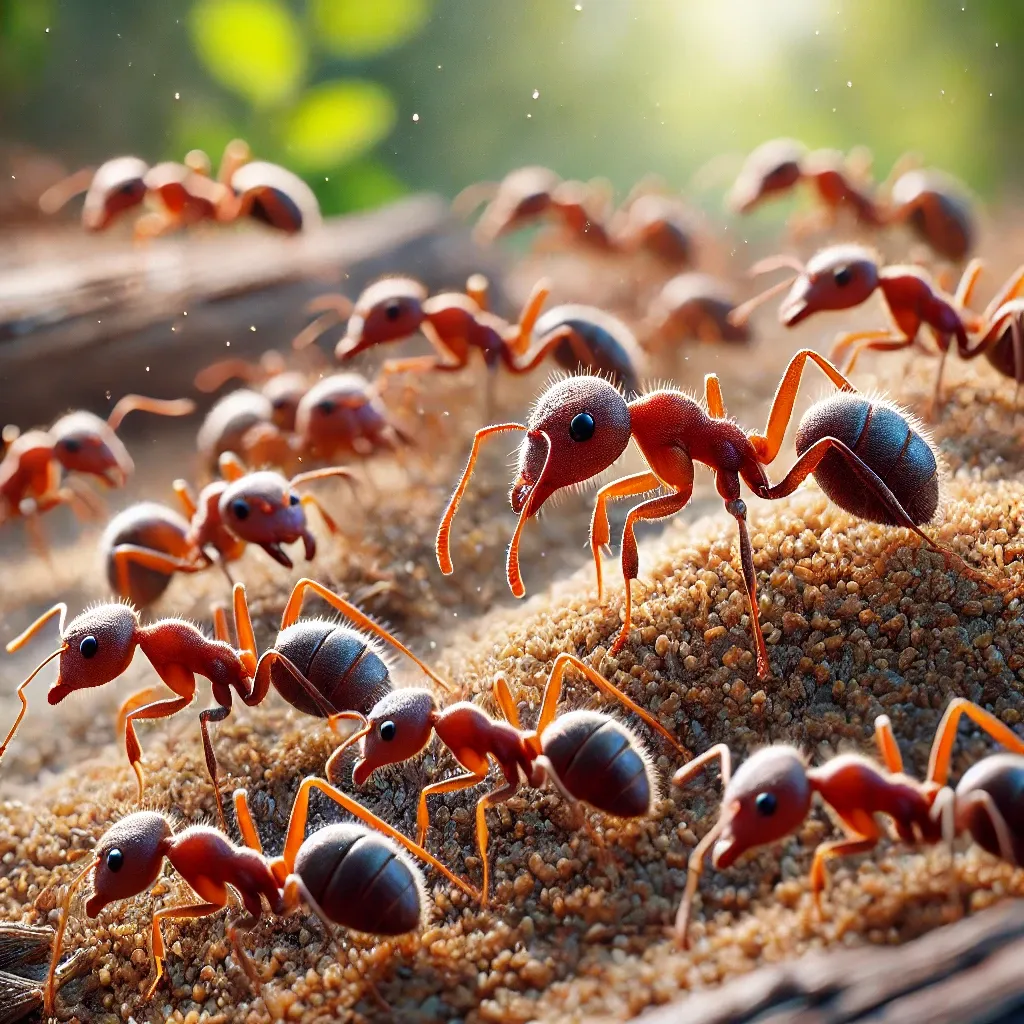
Pasture becoming irrigated lawn is one of the more dependable pest transitions in Florida. Fire ants want open sun and diggable ground, and grazing land converted to sod hands them both without requiring them to adapt to anything. Mounds turn up in the predictable places, along walkway edges, near a playset, out in the middle of a sunny stretch of turf, and the population is far larger than the visible count implies.
Rain drives the calendar. After a soaking, colonies push the nest higher and wider to keep the brood above saturated soil, so the morning after a storm is when a lawn appears to sprout mounds it did not have. Storms also launch mating flights, which is how an untreated yard two streets over becomes your problem in a single wet week. The reason a hardware store treatment applied mound by mound does not hold is underground: many Florida colonies keep more than one queen, sitting well beneath the depth a surface product reaches. Kill the foragers on top and you have trimmed the colony. The queens replace them, and the mound is back.
Two Clocks Running at Once
FishHawk is unusual among the newer communities we service in that it contains two housing ages simultaneously. FishHawk Trails and the earliest Ranch streets are now around thirty years old. The villages built out later, in the era of Newsome High School opening in 2003 and the Park Square town center filling in, are considerably younger, and construction has continued since.
A thirty year old house is arriving at its first real maintenance reckoning. Soffit seams, screen enclosure framing, porch ceilings, roof penetrations, and door sweeps all run out of their easy years at roughly the same time, and every one of them becomes a potential opening. That is the age at which rodent work stops being treatment and becomes carpentry. A roof rat needs an opening no wider than a quarter to get in, and it arrives overhead rather than at ground level, traveling limbs, fence tops, and utility lines to the roof. Set thirty year old trees against a thirty year old roofline and you have a route with an unlocked door at the end of it. The same aging inventory reads differently to paper wasps and mud daubers, which are shopping for sheltered framing under eaves and porch ceilings, and three decades of weathered carpentry stocks that shelf well.
The newer villages have the opposite situation: tight construction overhead, unsettled ground below. The pressure there is at soil level, in new sod and new irrigation, and the inspection spends its time on the perimeter rather than the roofline. Our guide to how a Hillsborough home’s age predicts its pests walks through the pattern in detail. In most communities that guide describes one era. In FishHawk it describes two neighbors.
Water That Never Leaves
The Alafia River marks FishHawk’s northern side and Little Fishhawk Creek runs through the community that took its name. Neither is seasonal. Add the pools, the Aquatic Center, the Lake House, the Palmetto Club and Osprey Club amenity grounds, and the irrigated landscape holding all of it together, and permanent moisture is a fixed feature rather than a summer visitor.
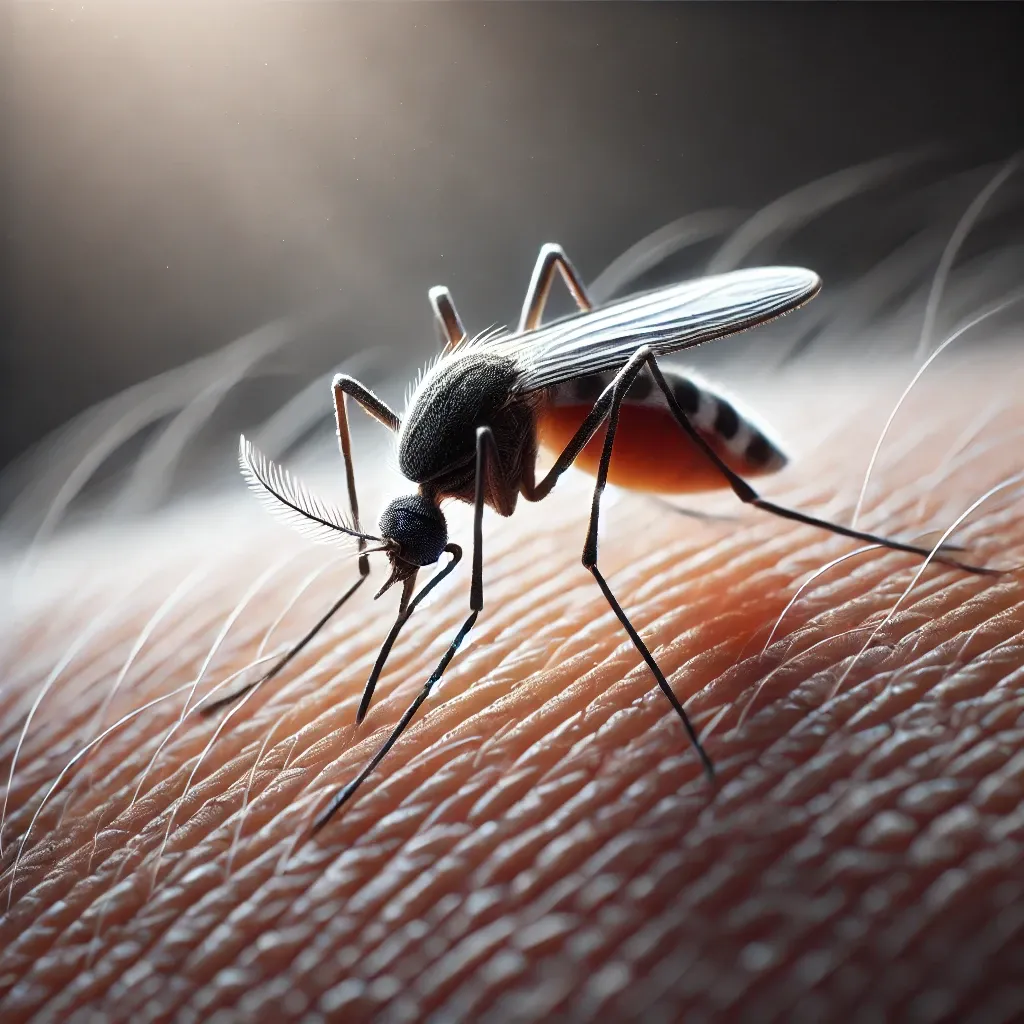
For mosquitoes, that sets a floor the community cannot drop below, and shade decides the rest. Adults do not spend daylight hours in the air. They wait out the heat in humid cover, beneath decks, inside thick hedges, along fence lines the sun never reaches, and emerge to feed at the edges of the day. Two lots the same distance from the same creek can hold very different mosquito counts purely on how much shaded cover each one offers, and FishHawk was landscaped to offer a great deal of it deliberately.
The half you control is smaller than the creek and far more responsive. Breeding takes an amount of water most people would not describe as water at all, roughly what a bottle cap holds, so a clogged gutter section, a stack of plant saucers, a sagging grill cover, or the cups formed by bromeliad leaves each function as habitat. Our work is the resting cover and a walk of the property for those containers. Emptying them week to week stays yours, because no product substitutes for tipping out the water, and our mosquito guide lays out the season.
Trails, Dogs, and the Tick Nobody Expects
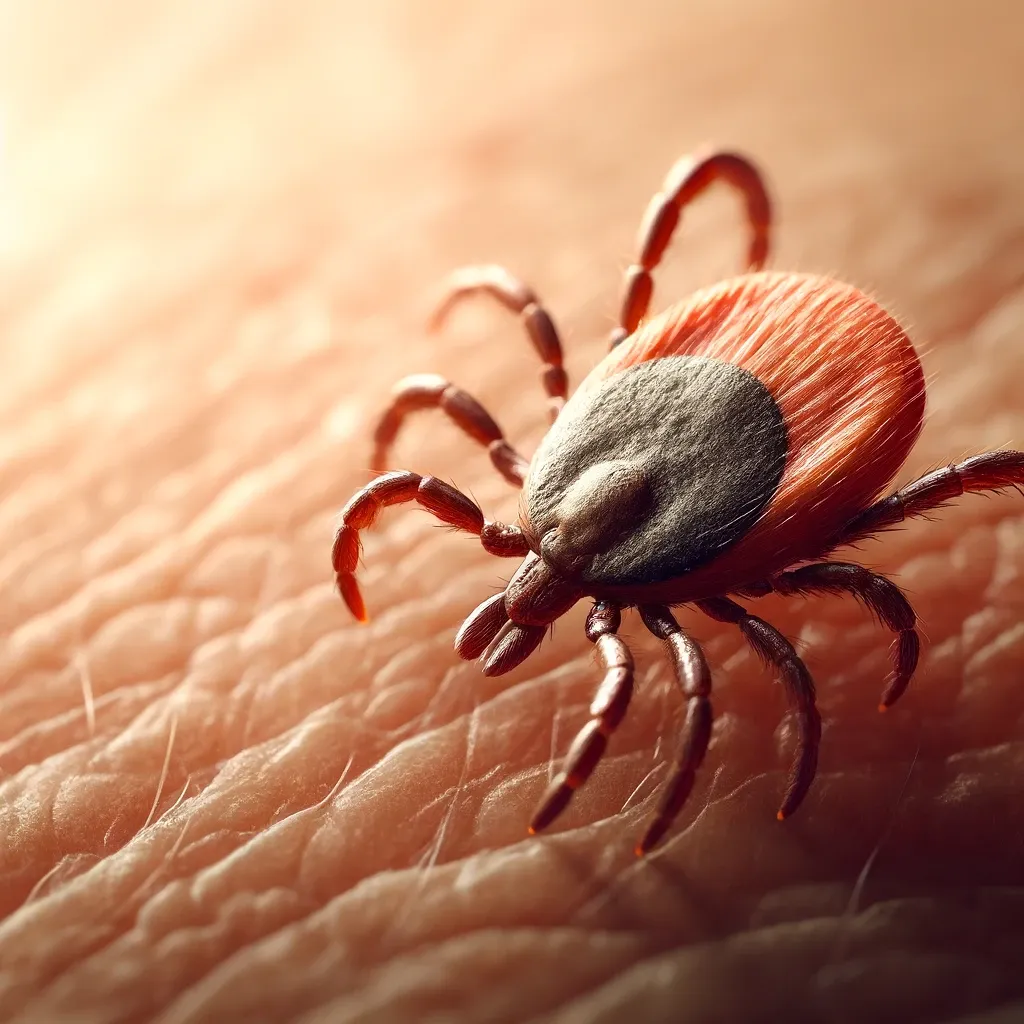
Biking and walking trails are part of why people pick this community, and they thread kept woods and grass margins. Worth knowing how a tick actually reaches you, because it changes where the caution goes. A tick cannot leap and cannot fly. It waits at the top of a grass blade or a low branch with its front legs extended and hooks whatever body passes within reach. Everything about that behavior is about contact height and vegetation, which is why the margin of a path carries risk the middle of it does not, and why the shaded strip where a dog naps matters more than the open lawn beside it.
The species picture in Florida also differs from the one most newcomers arrive holding. Lyme is the name everyone knows, and it is largely borrowed from the Northeast: Florida’s reported cases are mostly acquired while traveling, and the tick responsible thins going south down the peninsula. The bite you are statistically likelier to get here comes from the lone star tick, and the illnesses that follow it are ehrlichiosis and southern tick associated rash illness. Rocky Mountain spotted fever, from the American dog tick, is the serious one and the rare one. So the practical advice is not fear, it is a habit: check pant legs and check the dog.
Pets are also the route indoors, and the brown dog tick is the reason that matters more than it sounds. Unlike the yard species, it can run its whole life cycle inside a house, in baseboard cracks and pet bedding, so a handful of hitchhikers can become a resident population that never needs the yard again. Tick treatment works the shaded edges outside and the harborage inside, and the trails stay yours.
The Neighbors With Fur
Kept corridors move mammals as well as insects, and Florida’s urban wildlife takes to suburbs with very little difficulty. A raccoon evaluating an uncapped chimney sees a hollow tree with better weatherproofing, and an opossum reads a lifted soffit the same way. The cooling nights are the trigger, so the sensible order of operations on a buffer lot is to cap the chimney, close the roofline, and have the whole envelope looked at while it is still warm out rather than after something is already overhead. Our guide to wildlife in a Tampa Bay home separates what exclusion solves from what needs a trapper.
One honest limit belongs here. Nothing done on your lot changes the habitat next to it, and nothing should. The preserved land is permanent and it is supposed to be. What a plan can do is decide where the pressure stops, and on a lot like this that line runs at the perimeter and the roofline rather than at the property boundary.
FishHawk got built the way more places should have been. Living well next to kept woods just takes a plan written for kept woods. Liberty Pest Management is family owned and services every FishHawk village from our Odessa office: call 813-961-2627, or request a free quote online.
Neighborhoods We Serve in FishHawk
Don't see your neighborhood? If you're in or around FishHawk, we cover you: reach out or call 813-961-2627.
FishHawk Pest Control Questions
We chose FishHawk for the nature. Are we paying for that with pests?
You are trading one profile for another, and it is a fair trade. A subdivision scraped flat has fewer spiders and fewer ticks at the lot line, and it also has no shade, no trail, and no creek. What the preserved land here does is put habitat close to houses instead of a mile away, so the work concentrates at the perimeter and the roofline rather than spreading over the whole property. The nature is the reason to live here. It just means the plan should match the lot rather than the zip code.
Should we worry about ticks on the FishHawk trails?
Worth knowing about, not worth staying off the trails over. A tick reaches you by contact only. It waits on vegetation with its front legs out and grabs a passing body, so the risk lives at the vegetated margin of a path rather than on the path itself. Florida's disease picture is also not the one most newcomers expect. Lyme is largely a travel acquired diagnosis here, while the lone star tick is the bite you are likelier to get, carrying ehrlichiosis. The routine is simple: check pant legs and check the dog, and treat the shaded strip of yard where that dog naps.
The 1990s villages and the newest ones feel like different places. Do they get different treatment?
They do, because they are at different points in their lives. FishHawk Trails and the earliest FishHawk Ranch streets are thirty years along, which is when soffits, seals, screen enclosures, and porch ceilings start opening the small gaps a rodent or a paper wasp will use. The newer villages have tight construction and unsettled landscape instead, so the pressure is at ground level. Same community, two different inspections, and the age of the house tells us which one to run.
Does the Alafia River matter if we are nowhere near it?
Less than the water on your own street, which is the useful part of the answer. The river corridor and Little Fishhawk Creek set a community wide baseline nobody can drain, and adults fly in from wherever they hatched. What separates your yard from the one next door is the water within reach of a walk around the house, plus how much shaded cover you offer the adults during the day. A clogged gutter, a stack of saucers, a grill cover, or a bromeliad cup is enough water to breed in. We treat the cover. Tipping out the containers is the half that stays with you.
Nearby Service Areas
Ready for a Pest Free Home in FishHawk?
The Liberty Pest family answers its own phone. Call 813-961-2627 or request a free quote. One family, one Odessa office, since 2007.