
In 1925, Seffner was the fourth largest town in Hillsborough County. Today it is a census designated place of 8,362 people spread across 3.81 square miles, roughly thirteen miles east of downtown Tampa. Nothing failed here. Seffner simply got passed. The railroad that made the town arrived first, the post office opened in 1884, and the growth that came a century later chose Brandon and Valrico instead. What that left behind is unusual, and it changes how we work here: an old core sitting inside a landscape that is only now filling in around it.
Two Clocks in Four Square Miles
Most communities we service run on one clock. Riverview is new almost everywhere. Brandon’s oldest sections and its newest are separated by miles of intermediate decades that blur the line. Seffner is small enough that the two extremes sit within a few blocks of each other. On one street, structures and connections that trace back to when this was a railroad town with a hotel, a drug store, several dry goods stores, and a livery stable. On the next, a subdivision laid on ground that grew citrus or strawberries inside living memory.
This is not trivia. It explains how two Seffner neighbors can report pest problems with almost nothing in common and both be describing their houses accurately. A structure’s era determines the way it lets things in, and this town carries two eras at close range. Our guide to what a build decade predicts covers that pattern across Hillsborough. Seffner is where you can see the extremes of it inside one short drive.
The Old Core Fails From Below
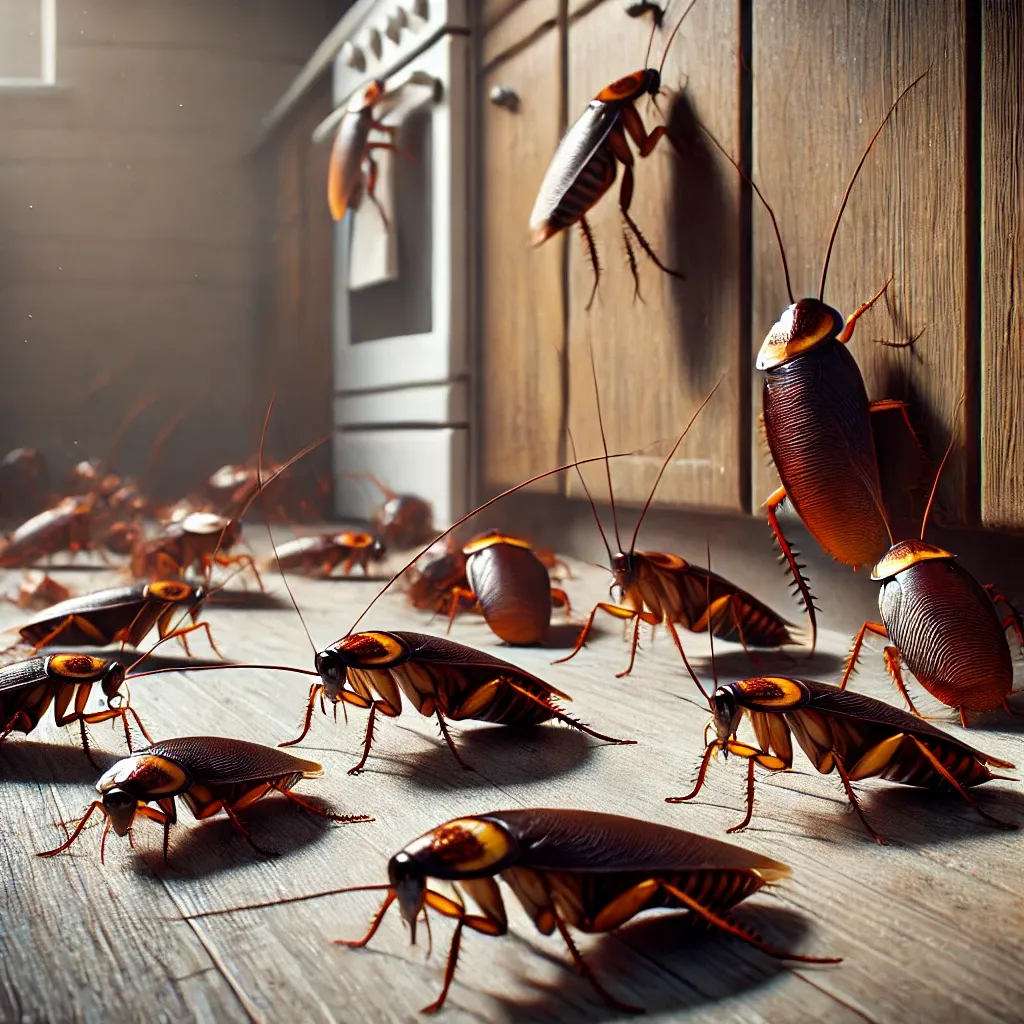
The age of the drain and sewer connections is the most useful single fact about pest work in Seffner’s original blocks. An American cockroach is not a houseguest that decided to move in. It is an outdoor animal whose home address is the sewer system, and UF/IFAS has counted more than 5,000 of them inside one Florida manhole. Every pipe running out of your bathroom is a corridor between that population and your floor. The older the connection, the more corridors it has: joints that a long slow settling has worked loose, traps in rooms nobody uses that dried out sometime last spring, penetrations sealed back when nobody was thinking about pests at all.
Which is why spraying the baseboards of an old house here is aimed at the wrong surface. The roach standing on your tile at two in the morning arrived from underneath. The inspection has to follow that route instead: floor drains in the garage and utility room, the connections behind and under sinks, the collars where pipe passes through slab. Pouring water into a drain you never use costs nothing, refills the trap, and shuts one corridor by itself, and in a house of this vintage that habit outperforms anything sold in a hardware aisle. Our palmetto bug guide walks the remaining entry points.
Weather swings both directions here. A heavy rain floods the sewer lines and pushes the population up and out, so the sightings arrive in the days following a storm rather than during it. A long dry stretch does the same thing for the reverse reason, driving roaches out of drying pipe in search of water. Either way, in the older half of Seffner the days after the weather turns are the days to look.
The Oaks Were Here First
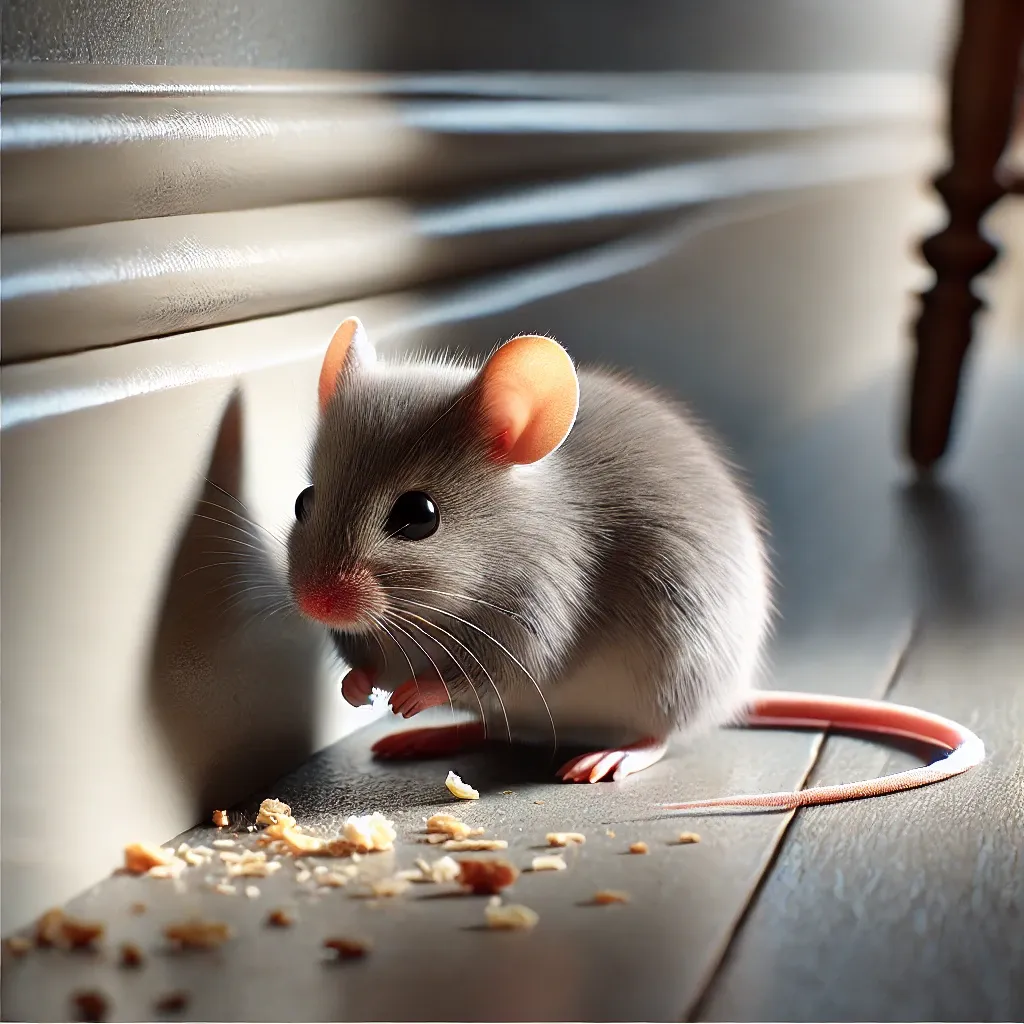
Towering live oaks are part of what Seffner looks like, and the ones standing over the historic core have had a very long time to reach the roofs beside them. Put that canopy over an old roofline and you have handed the roof rat everything it wants. UF calls it the most serious rat species in the state, and climbing is how it operates: branches, vines, and overhead wire deliver it onto a roof without one step across open ground. What it needs at that point is modest. A gap about the diameter of a quarter will do.
Old construction hands out those openings without meaning to. A cable run in one decade, an air conditioner swap in another, a vent relocated by somebody now retired. No single one of those is a defect. Added together across seventy or eighty years they draw a map that a house finished in 2018 has not begun to sketch. So rodent work in the original blocks is mostly exclusion. Take the branches off the roof to break the approach, then pack steel wool into every gap before the caulk goes over it, since expanding foam by itself is a material a rat simply eats through.
Autumn is the season this earns its money. When the nights turn, rats that spent the summer outdoors want somewhere dry and undisturbed overhead, and an attic beats anything a tree can offer. Florida never delivers the freeze that would knock the population back, so a pair that settles in around October is a family by March. Our roof rat guide lists the overhead sounds and droppings worth catching first.
Lake Weeks and the Water That Stays
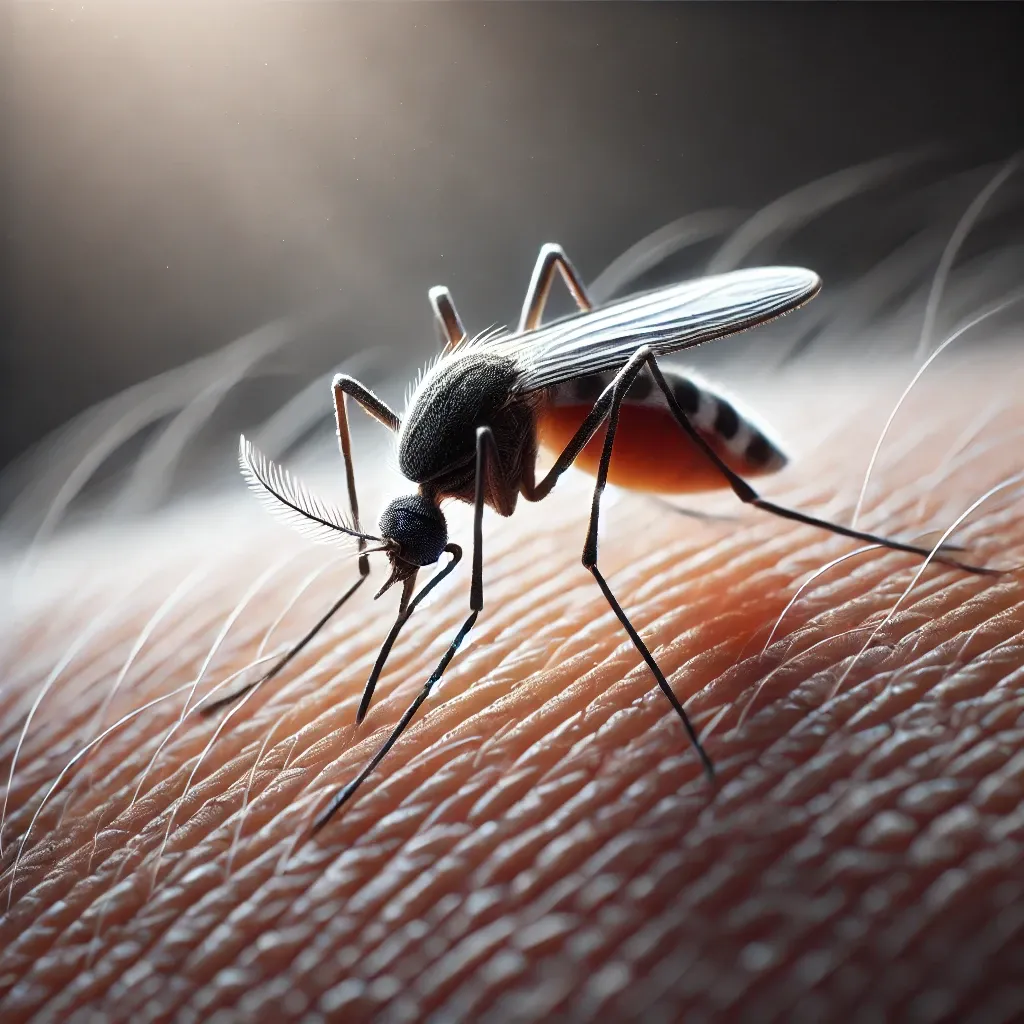
Lake Weeks covers 57.73 acres on Seffner’s southeast side and is known locally for fishing and for the Spanish moss draped over its edges. A lake is a different mosquito problem than a rain event. Storm water is episodic: it fills a saucer, produces a batch of biting adults about a week later in summer heat, and dries up. A lake never dries up. It reproduces on its own calendar and it keeps a permanent band of shoreline plants where the adults hide during daylight.
Hillsborough County runs surveillance traps and treatment programs, and the big communal water is what those programs exist for. Nobody from the county inspects your side yard. Between the lake and your back porch sits a small inventory that keeps a property stocked between visits, most of it in gutters, tarps, bromeliad cups, and pool covers. The second half is the shade itself. Adults spend the daylight hours inside dense low foliage, and putting a residual on that foliage is the piece a store bought fogger cannot imitate, because the fogger clears the open air for an evening and the resting population walks back out. On a lot this close to standing water, that argues for a monthly rhythm rather than a quarterly one.
The lakes also set the moisture floor for everything else. Damp shaded soil keeps ant colonies productive, humidity keeps American roaches comfortable outdoors, and shade over a yard extends the hours mosquitoes are willing to fly. Water is rarely the pest itself. It is the condition that makes the rest of the list possible.
Grove Ground, Now Lawn
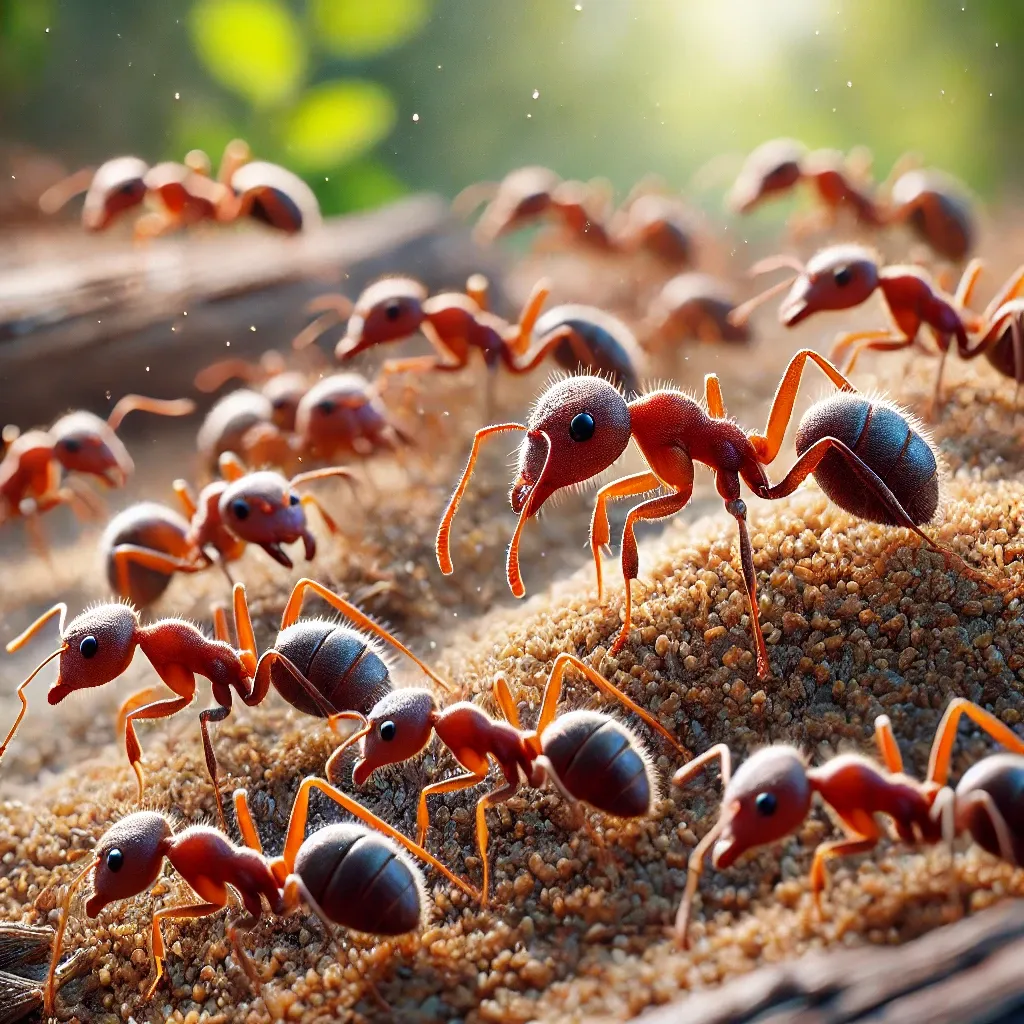
Seffner’s farming past is recent enough to still be under the grass. Citrus groves and strawberry fields were what this ground did for a living, and the subdivisions arriving on the once rural landscape are being laid directly over that. Open ground in full sun is what fire ants want more than any other setting, and a new lot delivers it complete: cleared, sodded, and irrigated. UF also records that whole colonies travel inside the soil and plant stock a landscaper unloads, which means a yard can be installed with the infestation already in it. Even a clean delivery does not settle it, because queens on a mating flight cover as much as a mile.
Killing a mound and ending a colony are different outcomes. Surface products reach foragers while the queen stays insulated below, and Florida colonies frequently run more than one queen, so the workers you removed are replaced inside a week. What actually holds through a lawn’s first few seasons is treatment aimed at the colonies themselves paired with a barrier somebody keeps refreshed. That window, the two or three years right after the sod arrives, is when the difference shows most.
Agricultural edges do one more thing worth naming. Open ground with equipment, outbuildings, and cover running to a property line is rodent habitat, and houses on that boundary get the traffic. Interstate 4 forms Seffner’s northern boundary and State Road 574 marks its southern edge, but the pest map here is not drawn by roads. It is drawn by what is standing on the ground next to your fence.
One Company for Both Halves of Town
A hundred year old bathroom drain and a lawn planted the year before last are not one job. Treating a town like Seffner as if it has a single pest profile is exactly how a plan ends up half correct. The old house wants a slower inspection and its routes closed permanently. The new house wants a barrier maintained while the ground around it settles. What both get here is the same crew, working from notes that record which Seffner you actually live in.
Liberty Pest Management works out of one family office at 19619 Michigan Ave in Odessa, under Florida license JB-151032, and every Seffner address is inside our coverage. Reach us at 813-961-2627, or start with a free quote.
Seffner and the East Hillsborough Communities We Serve
Don't see your neighborhood? If you're in or around Seffner, we cover you: reach out or call 813-961-2627.
Seffner Pest Control Questions
We live in the older part of town and keep finding big roaches in the bathroom. Where are they coming from?
Almost certainly from below. American cockroaches, the ones people here call palmetto bugs, live in sewers, storm drains, and mulch beds, and UF/IFAS has documented more than 5,000 of them in a single Florida sewer manhole. The older the plumbing connections, the more routes they have upward, and Seffner's original core has some of the oldest in this corner of the county. Keep water in the traps of drains you rarely use, then let us find the specific penetrations they are actually using.
We bought in one of the newer subdivisions. Does the age of the rest of town affect us?
Less than you would think for roaches, more than you would think for everything else. Your own plumbing is new and tight. What you inherit is the setting: the same live oaks, the same lakes, and in most cases ground that was grove or field a few years ago. Fresh sod on former farm ground is the classic fire ant start, and UF documents that colonies also travel in nursery stock and soil. Two houses a mile apart in Seffner often need two different plans.
The oaks over our roof came with the house. Do we have to lose them?
No. You have to break the bridge. The roof rat is the one Florida actually contends with, and UF ranks it the state's most serious rat pest for a reason: it is a climber, arriving overhead rather than at ground level. Anything that spans the gap between a canopy and a roof will carry it. Trim back to open air, seal what is above the gutter line, and the animal loses the approach while the tree keeps standing, which on these streets is most of why people bought here.
Lake Weeks is a few streets away. Is that our mosquito problem?
Partly, and probably not the half you can fix. Permanent water like Lake Weeks and the smaller lakes produces adults regardless of the weather, and Hillsborough County runs surveillance and treatment on the large shared breeding grounds. What no county program reaches is your gutter, your plant saucer, and the shaded shrub line where the adults wait out the afternoon. That second half is a yard job, and near permanent water it is worth doing monthly rather than occasionally.
Are you actually in Seffner or are you driving out from somewhere else?
We are based in Odessa and we service all of Hillsborough, Pasco, and Pinellas under one license, Seffner included, along with Brandon, Valrico, and Plant City around it. The address does not change the model. Quotes are free and the price you hear is the price.
Nearby Service Areas
Ready for a Pest Free Home in Seffner?
The Liberty Pest family answers its own phone. Call 813-961-2627 or request a free quote. One family, one Odessa office, since 2007.