Plant City grew up around a railroad and stayed for the strawberries. The town took its name from Henry B. Plant, whose railroad reached it in 1884, incorporated the following year, and by the twentieth century had traded cotton for the crop that made it famous. The city says it plainly: this ground produces over three quarters of the nation’s midwinter strawberries. For a pest control company, all of that history shows up as three different kinds of property sitting side by side, and they do not have the same problems.
The Old Core
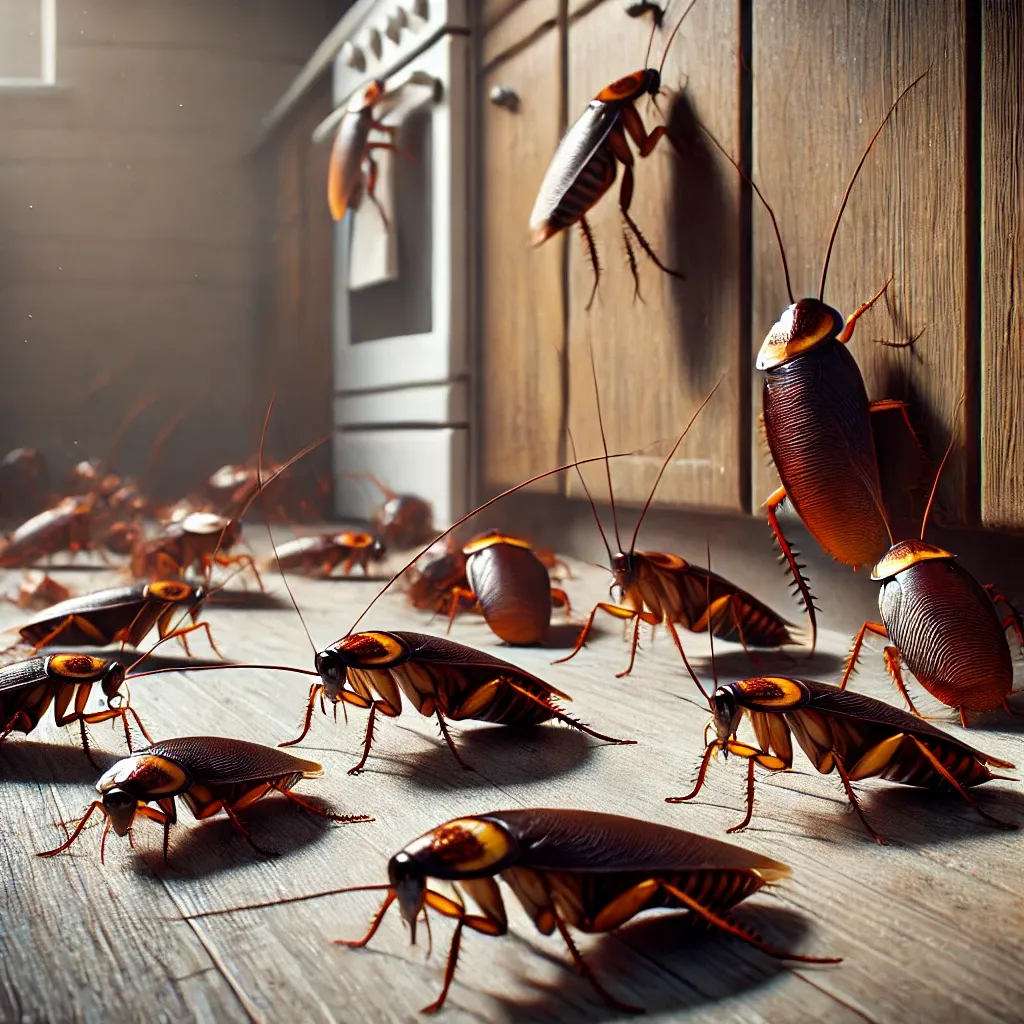
The blocks around downtown hold some of the oldest housing we work in anywhere in Hillsborough County. Two residential historic districts are on the National Register, listed in 1993 and 1998, and the homes inside them were built when plumbing, foundations, and framing were done nothing like they are now. That age decides everything else on the block. American cockroaches develop in sewers and drain lines and surface through the connections older plumbing offers, settled foundations open gaps a new slab does not have, and a century of additions leaves seams in places no one thinks to check. None of it makes an old house unwinnable. It makes the inspection longer, because the work is finding entries and closing them rather than treating the same perimeter twice.
Farm Ground on Three Sides
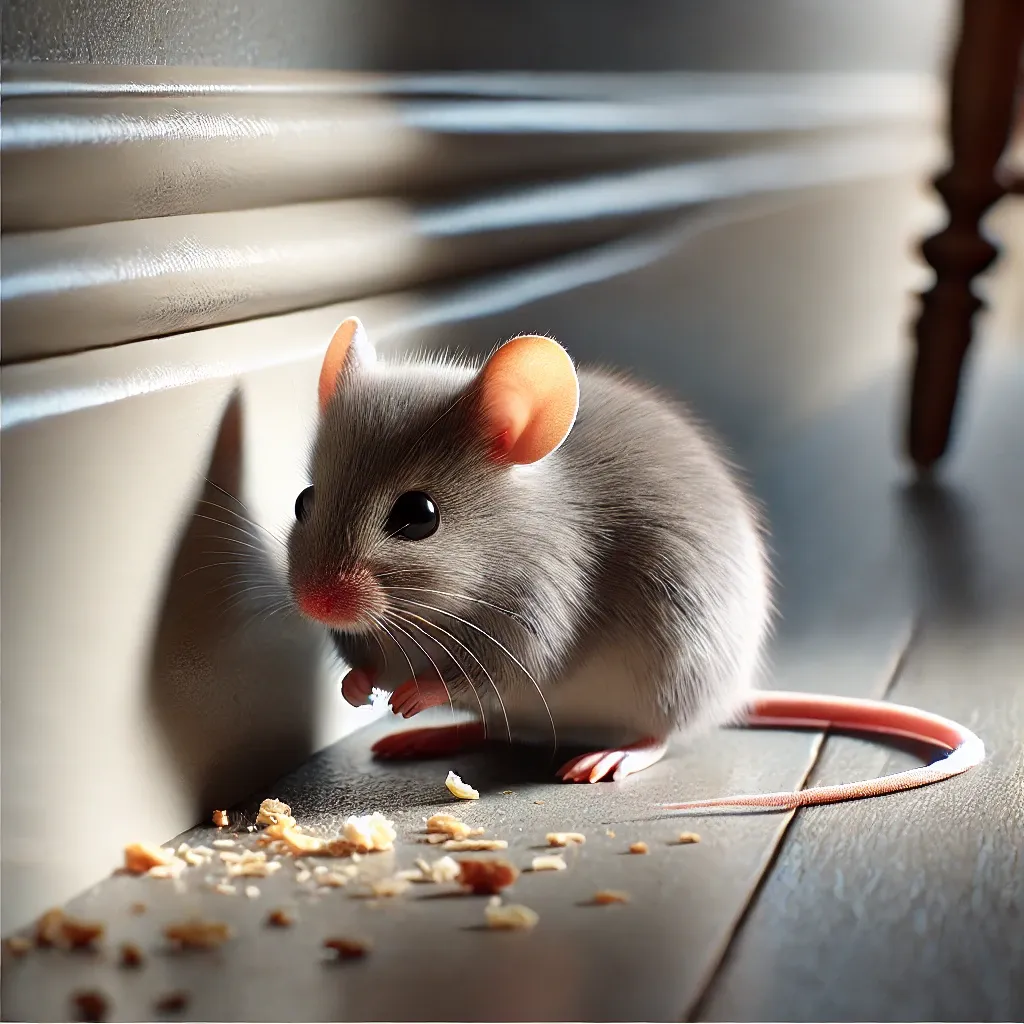
Drive any direction out of town and the subdivisions give way to fields. That farmland does not send crop pests into your kitchen. Spider mites and thrips are a grower’s problem and they stay a grower’s problem. What the fields do supply is habitat: open ground, barns and equipment sheds, irrigation, fruit trees, and cover running right up to the property line. Roof rats want exactly that combination, and they travel branches and lines to a roofline, which is why rodent work on the edge of the farm belt is exclusion work first. Our roof rat guide covers the signs worth knowing before the attic gets busy.
The New Half of Town
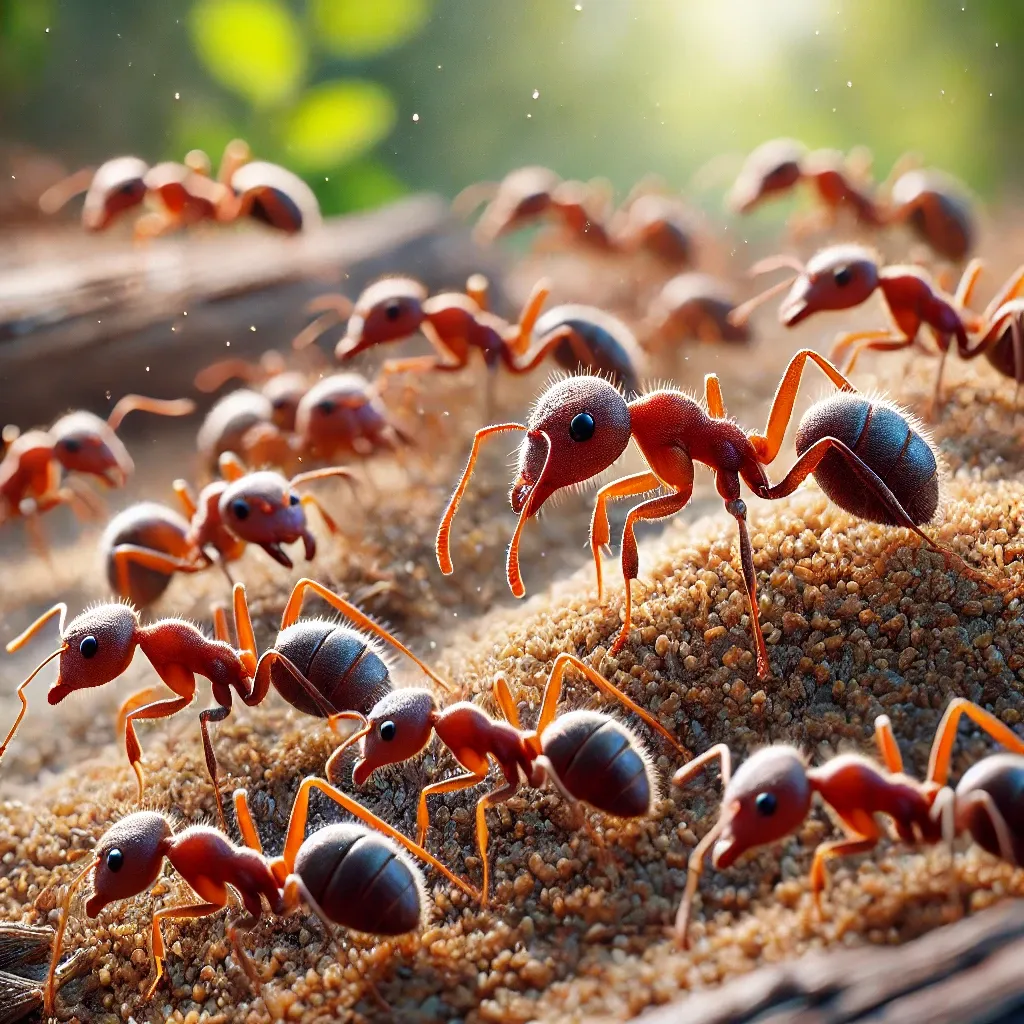
Walden Lake is the established master planned community here, and the newer arrivals keep coming: North Park Isle on its several hundred acres, Varrea rising on what was Cone Farms land, with the first residents moving in during 2023. What those lots have in common is the ground under them. Plant City sits on sandy flatwoods soil, which drains fast and digs easily, and easy digging is the whole reason ground nesting species do well here regardless of what is planted on top. A colony that would struggle to excavate heavy clay can put a mound in this soil in a season, and the same drainage that makes the ground good for strawberries makes it good for fire ants. Add fresh sod and new irrigation on a former field and the sequence completes itself, which is why our fire ant guide matters more in a two year old subdivision than in a fifty year old one.
Water That Does Not Leave
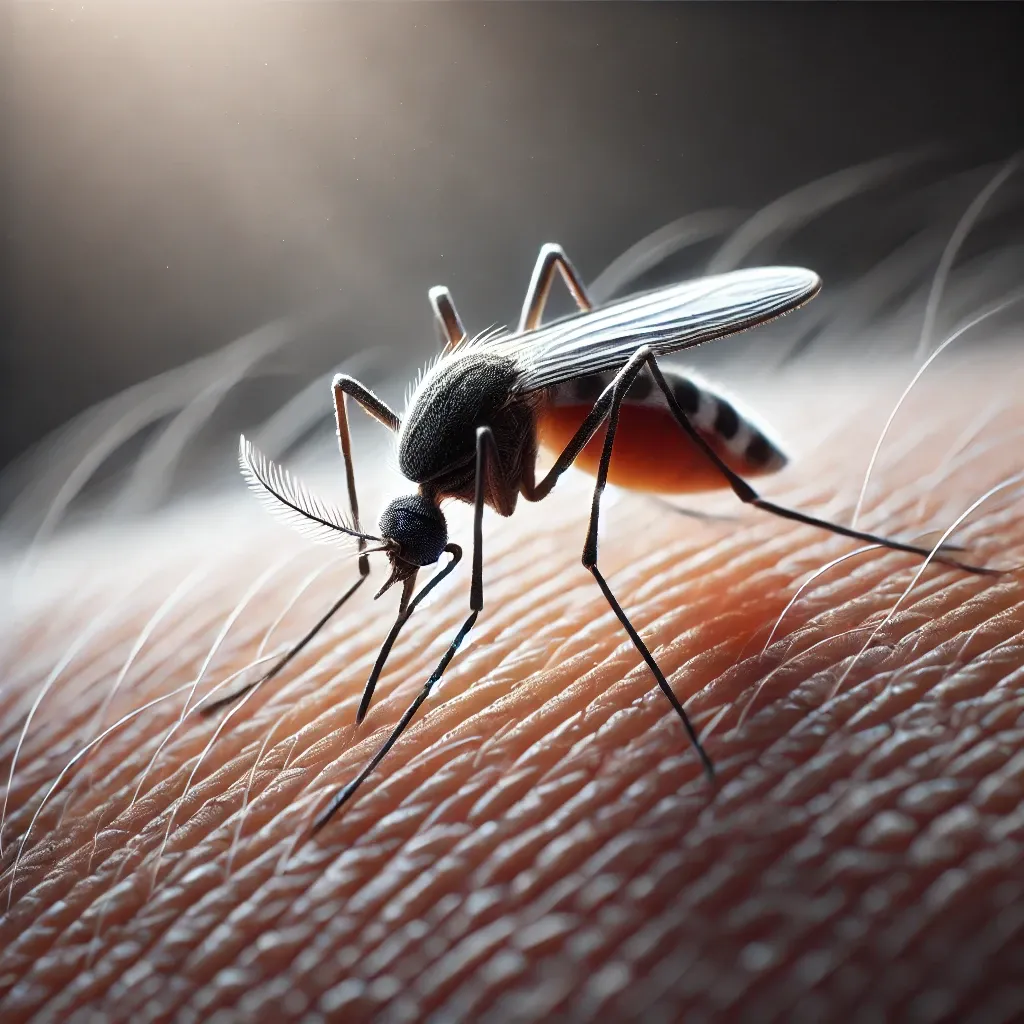
Plant City sits on flat ground that drains slowly, and recent storm seasons have made the point. Hurricane Milton dropped roughly a fifth of a normal year’s rainfall on the city in October 2024, Roseland Park has filled with water after major storms, and the county has held public meetings on the cumulative flooding of that year. For mosquitoes, slow drainage is the mechanism, because eggs need only a bottle cap of water and summer heat turns a puddle into biting adults within days. Standing water after a storm is a neighborhood problem and a yard problem at the same time, and only one of those two is yours to empty. Our hurricane season guide covers the rest of the post storm picture.
The Cold Nights Nobody Expects
Winter nights run a few degrees colder here than on the coast, which is why freeze protection sprinklers are part of the strawberry rhythm and never part of a beach town’s. Those extra cold hours slow insect activity a little more than they do in Tampa, and slowing is not stopping. Ant colonies keep foraging, roaches keep breeding in warm drain lines, and the pause is short enough that a lapsed treatment schedule still gets found out by March.
Three kinds of Plant City, one company covering all of them. Liberty Pest Management is family owned and based in Odessa: call 813-961-2627 weekdays 7am to 9pm or weekends 8am to 5pm, or request a free quote online.
Neighborhoods We Serve in Plant City
Don't see your neighborhood? If you're in or around Plant City, we cover you: reach out or call 813-961-2627.
Plant City Pest Control Questions
We back up to a strawberry field. Does that change our pest situation?
It changes the setting more than the treatment. The pests that matter in a strawberry field, spider mites, thrips, and the rest, are crop pests that growers manage in the field. What farmland actually gives a house next door is habitat: open ground, equipment and barns, irrigation, and cover right up to a property line. That means the perimeter is the place to concentrate, because your yard is the edge of a much larger landscape.
Our house is a hundred years old. Is that a losing battle?
No, but it is a different job than a new build. Century old homes in the historic districts have more ways in, older plumbing connections, settled foundations, and gaps that modern construction seals at the framing stage. The work is to find and close those routes rather than to spray more. Once the entries are handled, an old house holds a barrier as well as a new one.
Does the freeze protection irrigation on the farms affect our yard?
Not directly, but it points at something that does. Cold nights here bring water onto the ground at the one time of year Florida usually dries out, and any winter water source, farm irrigation or your own, keeps the ground around it hospitable when the surrounding landscape has gone hard and dry. That is worth knowing because winter is when most people assume the pest year has paused. It has slowed. Anywhere the ground stays damp, it has barely slowed at all.
Why do we see more pests after a big storm?
Because storms move them. Water pushes roaches and ants out of the ground and drain lines they live in and toward the nearest dry structure, and every low spot that holds water afterward is producing biting adults within days. Plant City has real drainage pressure, and subdivisions like Roseland Park have filled after major storms. The week after a storm is worth a walk around the house, tipping out anything holding water.
Nearby Service Areas
Ready for a Pest Free Home in Plant City?
The Liberty Pest family answers its own phone. Call 813-961-2627 or request a free quote. One family, one Odessa office, since 2007.