Your weather app can predict your pest problems. Three straight days of rain means ant trails on the kitchen counter within the week. A long dry spell means activity around the AC drip line. The first real cold front of fall means scratching in the attic by Thanksgiving.
None of that is coincidence. Pests respond to weather in mechanical, repeatable ways: they follow water, flee flooding, breed faster in heat, and shelter from cold. Once you understand the mechanisms, you can read a Tampa Bay forecast the way our technicians do: as a preview of next week’s pest pressure.
Key Takeaways
- Heavy rain floods the soil nests and mulch harborage where ants and roaches live, pushing them into the nearest dry structure, usually your house
- Drought does the opposite: pests concentrate around the only water left, meaning irrigated lawns, AC condensation lines, and leaky spigots
- Insects are cold blooded, so summer heat compresses their breeding cycles and multiplies populations faster
- Even a mild Florida cold snap sends roof rats, mice, and wildlife hunting for warm shelter, and attics top the list
Why Does Rain Push Ants and Roaches Into Your House?
Because rain takes away their homes before it ever touches yours.
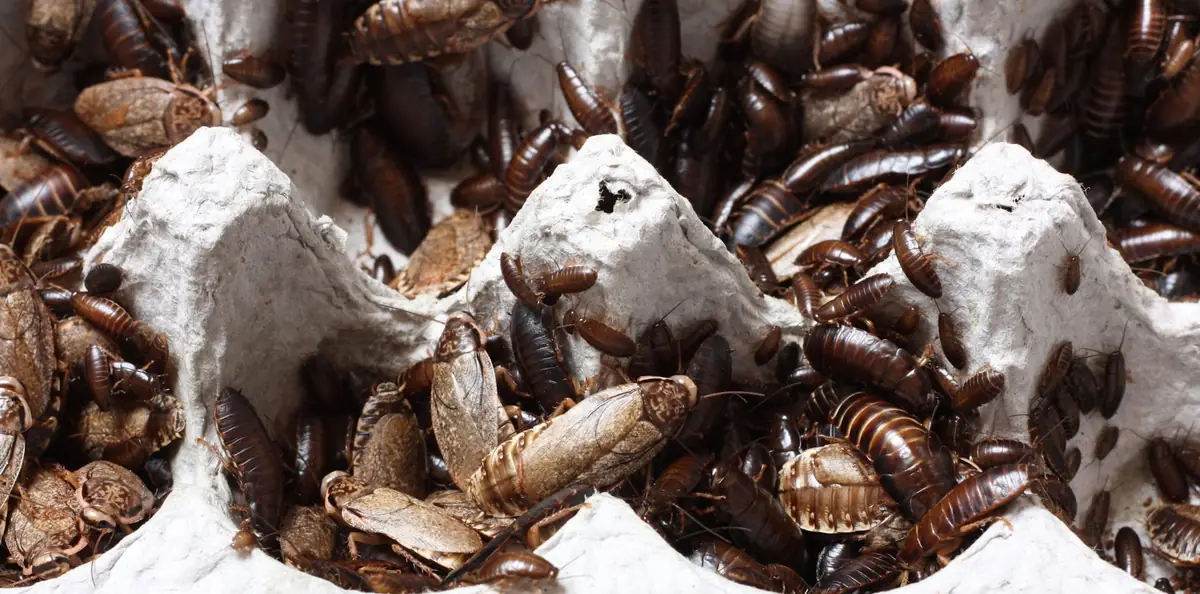
Most of the pests around a Tampa Bay property live in the ground or just above it. Ghost ants and big headed ants nest in soil, mulch, and leaf litter. Fire ants build underground colonies. American cockroaches, the palmetto bugs every Floridian knows, shelter in mulch beds, palm boots, tree holes, and storm drains. When an afternoon downpour saturates the soil, all of that harborage floods at once.
The evicted colonies don’t scatter randomly. They move toward the nearest structure that’s elevated, dry, and full of food and water: your house. That’s why ant trails appear on countertops a few days after heavy rain, and why palmetto bugs show up in bathrooms and garages the night after a storm. The rain didn’t create the pests. It relocated them. If rain reliably brings ants indoors at your house, that’s an entry point problem as much as an ant problem, and it’s what our ant control service is built to trace and treat.
One more rain effect worth knowing: wet soil and standing water are breeding fuel, so the same rainy stretch that pushes pests inside this week produces more mosquitoes and bigger colonies next month.
What Does a Tampa Bay Forecast Mean for Pests?
| Forecast | What pests do | What you’ll likely see at home |
|---|---|---|
| Several days of heavy rain | Soil nests and mulch harborage flood; colonies relocate to dry structures | Ghost ant trails in the kitchen, palmetto bugs in bathrooms and garages within days |
| Extended dry spell | Pests track the remaining moisture | Ants at pet bowls and sinks; activity along irrigated lawns and the AC drip line |
| Heat wave in the 90s | Breeding cycles compress; more generations | Faster rebounds, heavy mosquito activity at dusk |
| First fall cold front | Rodents and wildlife seek warm shelter | Nighttime scratching in the attic, droppings in the garage |
| Tropical storm or hurricane | Mass displacement; fire ants raft on floodwater | Indoor roach surge, fire ant rafts, new roofline entry points |
Why Does Drought Drive Pests Toward Your Lawn and AC Line?
In dry weather the mechanism flips. Instead of fleeing water, pests hunt for it, and a suburban home is the most reliable water source in a dry landscape.
During Tampa Bay’s dry season, or a rainless stretch in May before the summer pattern starts, natural moisture disappears from the soil. What’s left is what people maintain: irrigated lawns and flower beds, dripping hose bibs, and the AC condensation line, which drips steadily all day precisely when everything else is dry. Ant colonies relocate toward sprinkler zones. Roaches cluster near drip lines and under potted plants. Indoors, ants that ignored your kitchen all summer suddenly trail to the sink and the pet water bowl, because your plumbing is now the best water in the neighborhood.
This is why moisture control is pest control in both directions: too much water pushes pests in, and too little pulls them in. Our guide on moisture and pest problems covers the fixes.
Why Do Palmetto Bugs Come Out When It’s Humid?
American cockroaches lose moisture through their bodies quickly, so their survival depends on damp air. On humid summer nights they roam confidently (across lanais, up exterior walls, through garages) because the air itself keeps them hydrated. In drier weather they hole up in moist refuges and you see fewer of them, even though they’re still there.
Indoors, humidity works on the roaches you already have. German cockroaches, the small kitchen infesting species, breed faster in warm, humid conditions, which is why a Florida summer accelerates an indoor infestation that might smolder slowly elsewhere. A bathroom exhaust fan that actually gets used, a dehumidified garage, and fixed plumbing drips make a home measurably less hospitable. If the palmetto bugs keep coming anyway, our cockroach control service targets the outdoor harborage and entry routes they’re using.
How Does Heat Speed Up Insect Breeding?
Insects are cold blooded: their metabolism tracks the air temperature around them. Warmer air means faster development at every stage: eggs hatch sooner, larvae mature quicker, adults breed earlier. Heat doesn’t just make insects more active. It shortens the generation time, which compounds like interest.
Mosquitoes are the clearest example. In the heat of a Tampa Bay summer, the Aedes mosquitoes that breed in containers around patios can go from egg to biting adult in roughly a week. Dump a plant saucer today and it can be producing mosquitoes again days after the next rain refills it. That compressed cycle is why weekly, not monthly, standing water checks are the standard advice here.
The same math applies across species. Fire ant colonies grow faster through warm months, and flea life cycles shorten dramatically in summer humidity. Because Tampa Bay rarely gets cold enough to interrupt breeding, Florida pests fit more generations into a year than the same species manage in cooler states. The reproductive clock almost never stops.
What Do Cold Snaps Do to Rodents and Wildlife?
Florida cold snaps rarely kill pests: our cold isn’t cold enough for long enough. What a cold front actually does is redirect them.
When the first real front drops Tampa Bay into the 40s, warm blooded pests immediately seek heated shelter. Roof rats, Florida’s most common attic rodent, follow tree branches and utility lines to the roofline and work in through gaps in soffits, vents, and flashing. Mice slip under garage doors. Squirrels and raccoons test the same weak points. The openings involved are smaller than most homeowners expect: the CDC notes mice can pass through a hole the size of a dime, and rats a hole the size of a quarter.
This is why we treat the first cold front of fall as a deadline for exclusion work. Once rodents are inside, the job changes from sealing to trapping, and our rodent control service handles both.
Insects respond to cold differently: most simply go still in their harborage and wait, then come right back out on the next warm afternoon, which is why a warm week in January can produce a surprise burst of ant activity.
What Happens When Storms Flood Fire Ant Colonies?
The most dramatic weather and pest interaction in Florida belongs to red imported fire ants. When floodwater inundates a colony, the ants don’t drown. UF/IFAS documents that they link their bodies into a living raft that floats, carrying the queen and brood on top, until the water recedes or the raft reaches dry ground.
Flooded yards and streets after a tropical storm can carry entire relocated colonies. A raft that grounds on a porch, fence line, or floating debris becomes an instant mound, and touching one during cleanup provokes mass stinging. Give any floating brown mat in floodwater a wide berth. Our guides on getting fire ants out of a Florida yard and hurricane season pest problems cover what to do once the water drops.
How Do You Use the Forecast to Predict Pest Pressure?
Put the mechanisms together and the forecast becomes an early warning system:
- Rain for three or more days ahead? Expect displaced ants and roaches probing your doors and plumbing within the week. Check door sweeps and garage seals now, not after they’re in.
- Heat wave coming? Every breeding cycle on your property just sped up. Tighten the standing water routine.
- Long dry stretch? Inspect the wet spots you control: AC drip line, irrigated beds, hose bibs, pet bowls. In a drought, pest activity concentrates around those last reliable water sources.
- First fall front on the map? Walk the roofline and seal gaps before the temperature drops, because rodents move the same week the weather does.
- Named storm in the Gulf? Plan for displacement: secure containers before, dump water and inspect the roof after, and stay clear of fire ant rafts.
The forecast tells you what’s coming. Our seasonal pest proofing checklist for Tampa Bay homes turns these mechanisms into a concrete maintenance calendar.
Frequently Asked Questions
Why do I see more ants in my house right after it rains?
Rain floods the soil and mulch where ant colonies nest, forcing them to relocate to dry ground, and your house is the driest, most resource rich structure nearby. Ghost ants and big headed ants are the usual culprits in Tampa Bay kitchens after storms. If it happens every rainy stretch, the colony is likely nesting close to the structure, and the trail is worth having traced professionally.
Do Florida pests die off in the winter?
No. Tampa Bay winters are too mild to kill pest populations the way northern freezes do. Insects slow down and shelter during cool spells, then resume activity on warm afternoons, while rodents become more of a problem in winter because cool nights drive them indoors. Winter here is a redistribution, not a die off.
Does a drought mean fewer mosquitoes?
Fewer, but not zero, and the survivors concentrate where you least want them. The Aedes mosquitoes common around Tampa Bay homes breed in containers, so irrigation runoff, plant saucers, and bromeliads keep them producing through a dry spell, clustered tightly around the irrigated yards that still have water.
Why is my house suddenly full of palmetto bugs during a heat wave?
Extreme heat dries out the outdoor refuges American cockroaches depend on, so they push toward cooler, more humid shelter, and an air conditioned home with kitchen and bathroom plumbing is exactly that. Heat waves and droughts usually arrive together, which doubles the effect. Check garage door seals, weep holes, and unused drains, since those are the standard entry routes.
Watch the Weather, Then Get Ahead of It
Every pest surge in Tampa Bay has a weather trigger behind it. Rain displaces, drought concentrates, heat multiplies, cold redirects, and storms do all four at once. Act on the forecast (seal before the front, dump water after the rain) and you stay ahead of problems your neighbors end up treating.
If you’d rather have professionals watching that cycle for you, Liberty Pest Management has been doing exactly that for Tampa Bay homes since 2007. We’re family owned, based in Odessa, serving communities from Lutz to the coast. Request a free quote and we’ll build a plan around your property.