Tampa Bay doesn’t have four seasons. It has a dry season from roughly November through April, a rainy season from June through September, a spring swarm window in between, and a hurricane season layered over the summer. Every pest on your property runs on that clock, so your pest proofing should too.
Most seasonal pest advice is written for states where a hard freeze does half the work. Tampa Bay gets the occasional frosty night, but never the sustained killing cold that resets pest populations up north. Below is the season by season checklist we’ve refined servicing Tampa Bay homes since 2007, organized around Florida’s actual weather instead of the calendar.
Key Takeaways
- Florida’s pest year follows the wet/dry cycle: dry season (November to April), swarm season (spring), rainy season (June to September), and hurricane season (June to November)
- Dry season is sealing season: do exclusion work (door sweeps, caulking, screen repair) while humidity is low and rodent pressure is highest
- Rainy season is water management season: a weekly standing water patrol does more for mosquito control than any spray
- Check holiday boxes before they go into the attic; cardboard stored overhead is a rodent nesting invitation
Why Doesn’t Four Season Pest Advice Work in Tampa Bay?
Because the trigger for pest movement here isn’t temperature. It’s water.
American cockroaches, ghost ants, mosquitoes, and rodents are active in Tampa Bay every month of the year. What changes by season is the direction they’re moving: toward your house when the ground floods, toward your attic when the first cool front arrives, and toward any water source they can find during the dry months.
Our companion guide on how weather changes affect pest activity in Florida explains the mechanisms: why rain pushes ants indoors, why drought concentrates pests around irrigated lawns, why a cold snap fills attics. This post is the practical half: what to do, and when.
What Does the Tampa Bay Pest Proofing Calendar Look Like?
| Season | When | Peak pest pressure | Priority actions |
|---|---|---|---|
| Dry season | November to April | Roof rats and mice moving indoors | Seal gaps, install door sweeps, inspect attic |
| Swarm season | March to May | Ant and termite swarmers, love bugs, wasps, fire ants | Identify swarmers, repair screens, remove new wasp nests early |
| Rainy season | June to September | Mosquitoes, palmetto bugs, ghost ants | Weekly standing water patrol, clean gutters, refresh garage seals |
| Hurricane season | June to November | Displaced roaches, rodents, fire ants | Pre storm yard cleanup, post storm roofline inspection |
| Mild “winter” | December to February | Rodents nesting, pests in holiday storage | Check boxes before attic storage, watch for droppings |
How Do You Pest Proof During the Dry Season (November to April)?
Dry season is exclusion season. Humidity drops, ladder work is comfortable, and caulk cures properly. It’s also when rodent pressure peaks: Tampa Bay’s mild “winter” is warm enough to keep roof rats breeding and just cool enough to make your attic more attractive than a tree hollow.
- Install or replace door sweeps on every exterior door. If you can see daylight under the door, mice can get under it. Don’t forget the door between the garage and the house.
- Check the garage door bottom seal. It should contact the slab along its full width with no gaps at the corners. This is one of the most common rodent and palmetto bug entry points we find.
- Seal exterior penetrations. Caulk gaps where cable, electrical, and AC lines enter the wall. For anything a rodent could gnaw, back the sealant with steel wool or hardware cloth, the materials the CDC recommends because rodents can’t chew through them.
- Walk the roofline from the ground with binoculars. Look for lifted soffit panels, torn gable vent screens, and gaps at roof returns. If you find evidence of activity, our rodent control and exclusion service handles trapping and sealing as one job.
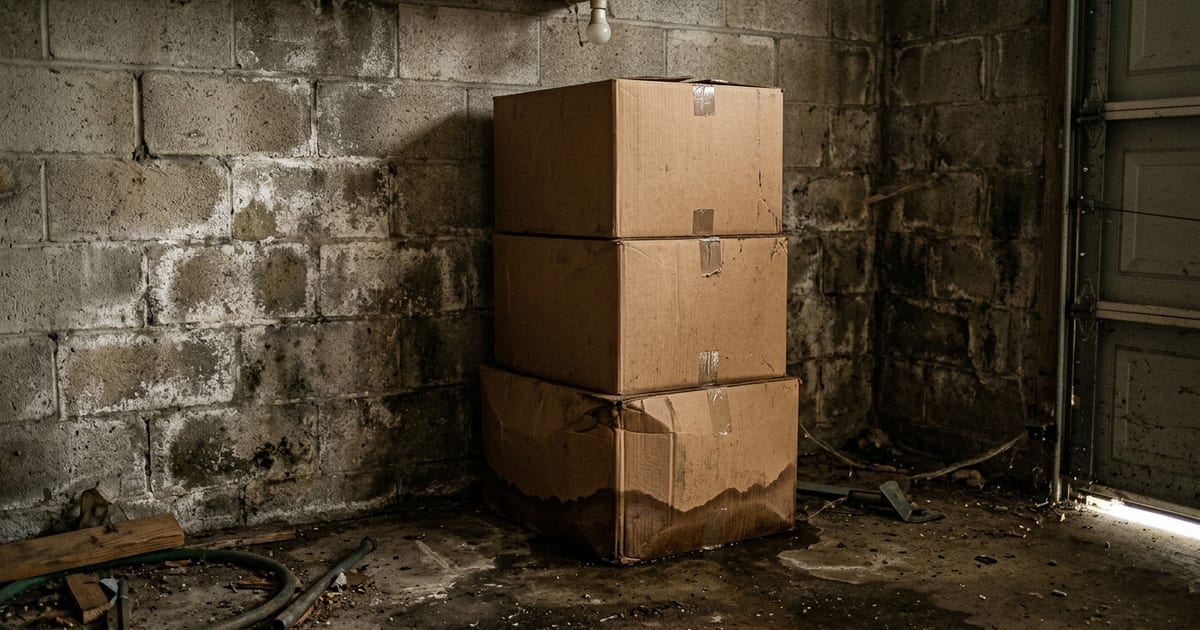
- Inspect holiday boxes before they go up, and before they come down. Cardboard in a warm attic is prime rodent nesting material. Check for droppings, gnawed corners, and shredded tissue paper each time boxes move. Better yet, switch to lidded plastic bins.
- Store firewood off the ground and away from the house. A woodpile against the wall is a covered walkway for roaches, spiders, and rodents.
- Repair window screens now, before love bugs and mosquitoes need them. Screen repair is far more pleasant in January than in July.
What Should You Watch for in Spring Swarm Season (March to May)?
Spring in Florida announces itself with flying insects. Warm afternoons after the first spring rains trigger reproductive swarms, and this is the one season where correct identification really matters.
- Learn to tell ant swarmers from termite swarmers. Ant swarmers have pinched waists and two different sized wing pairs; termite swarmers have straight bodies and four equal wings. Our guide on ant swarmers vs. termite swarmers covers the differences. Worth knowing up front: Liberty Pest Management does not treat termites. If your swarmers turn out to be termites, we’ll tell you so and refer you to a termite specialist.
- Expect love bugs around April and May. UF/IFAS documents two love bug flights per year in Florida, one in late spring and one in late summer. They don’t bite or infest homes; intact screens are the whole defense.
- Treat fire ant mounds while colonies are small. New mounds appear fast after the first warm rains. A saucer sized mound is far easier to eliminate than the established colony it becomes by July.
- Knock down wasp nest starts early. In March and April, paper wasp queens build golf ball sized starter nests under eaves, in grill covers, and behind shutters. A starter nest with one queen is a simple removal. The same nest in August holds dozens of defensive workers. That’s a job for our wasp and hornet service.
- Pull mulch back from the foundation. Keep a few inches of gap between mulch and the slab. Deep, damp mulch against the wall is ant and roach harborage all summer.
- Clean gutters before June. Once daily rains start, a clogged gutter becomes a mosquito nursery for four straight months.
How Do You Get Ahead of the Rainy Season (June to September)?
From June through September, Tampa Bay gets most of its annual rain in daily afternoon storms. Saturated ground pushes ants and roaches toward your dry, air conditioned house, and every container in your yard becomes a potential mosquito breeding site.
- Run a weekly standing water patrol. Tip and toss anything holding water: plant saucers, buckets, toys, tarps, bromeliad cups. The Aedes mosquitoes that bite around Tampa Bay porches breed in containers, not ponds, and a bottle cap of water is enough. Eggs can hatch within days in summer heat, so weekly is the right rhythm.
- Fix drainage low spots. Puddles that persist for days after rain need fill dirt or regrading. For yards that stay wet, our mosquito control service targets both adults and breeding sites.
- Expect palmetto bugs and block their pathways. American cockroaches living in mulch, palms, and sewer lines move indoors when the ground floods. Garage door seals, weep hole screens, and water in unused drain traps block their routes.
- Watch for ghost ant trails. These tiny, pale ants surge indoors after rain, trailing toward water. Wipe trails with soapy water and fix the moisture that drew them.
- Keep the lanai screen tight. One torn panel undoes the whole enclosure during mosquito season.
Our summer pest prevention guide goes deeper on the June through September stretch, pest by pest.
What Changes During Hurricane Season?
Hurricane season overlaps rainy season from June through November, and a single storm can undo a year of pest proofing in an afternoon. Flooding evicts entire colonies of ants, roaches, and rodents at once, and wind damage opens new entry points at the roofline.
Before a storm, stow anything that becomes a water holding container and clear yard debris that would become soggy harborage. Afterward, dump every container within 48 hours and inspect soffits, vents, and flashing for new gaps before rodents find them. Our guide on hurricane season pest problems in Tampa Bay covers the before and after checklists in detail, including floating fire ant rafts.
Which Habits Matter All Year in Florida?
A few things never come off the list, because no season here is dormant:
- Keep trash and recycling in bins with tight lids
- Never leave pet food out overnight, inside or out
- Trim tree branches to at least 3 feet from the roofline, quarterly (Florida trees grow year round)
- Pick up fallen fruit from citrus and palm trees promptly
- Fix dripping spigots and AC condensation leaks; in dry season, a drip is a pest magnet
Frequently Asked Questions
What month should I start pest proofing my Tampa Bay home?
Whichever month it is now: start at the current point in the cycle. In fall or winter, begin with exclusion and attic checks. In spring, start with screens, mulch, and swarm identification. In summer, start with the weekly standing water patrol. The calendar is a loop, not a sequence with a fixed starting line.
Do I still need pest control in winter in Florida?
Yes, because Florida pests don’t die off in winter: they relocate. Tampa Bay’s mild December through February is peak season for roof rats and mice moving into attics and garages, and indoor pests like German cockroaches ignore outdoor weather entirely. Winter is actually the best season for exclusion work and rodent trapping.
How do I know if the swarmers in my house are ants or termites?
Look at the waist and wings. Ant swarmers have a pinched waist, elbowed antennae, and front wings longer than the back pair. Termite swarmers have a straight body and four equal length wings that shed easily. Piles of identical wings on a windowsill point to termites. Liberty Pest Management doesn’t treat termites, but we’ll identify what you have and refer you to a termite specialist if needed.
How often should I clean gutters in Tampa Bay?
At least twice a year: late spring before the daily rains begin, and late fall after oak leaf drop. Homes under heavy tree cover need a mid summer check too. A clogged gutter in a Tampa Bay summer holds water almost continuously, making it both a mosquito breeding site and a moisture source that draws ants and roaches to the roofline.
A Season by Season Rhythm Beats a Once a Year Scramble
Pest proofing a Florida home isn’t one big project. It’s a short list of the right tasks at the right time: seal in the dry season, identify and intercept in spring, manage water all summer, and re-inspect after storms. Follow the rhythm and you’ll see fewer pests and spend less fixing problems after the fact.
If you’d rather have a professional run that calendar for you, that’s what our recurring service is built around. Liberty Pest Management is family owned, based in Odessa, and has protected Tampa Bay homes since 2007. Get a free quote and we’ll build a seasonal plan for your property.