
St. Petersburg once logged 768 consecutive days of sunshine, a Guinness World Record run that ended in 1969 and gave the Sunshine City a nickname it has never needed to give back. It is a lovely fact for a postcard and a working fact for a pest control company, because the weather that made the record never once asked the city’s insects to pause either. Warmth, water on three sides, and a growing season that does not really end: what draws a quarter million people to this peninsula is exactly what pests like about it.
Winter Never Quite Arrives
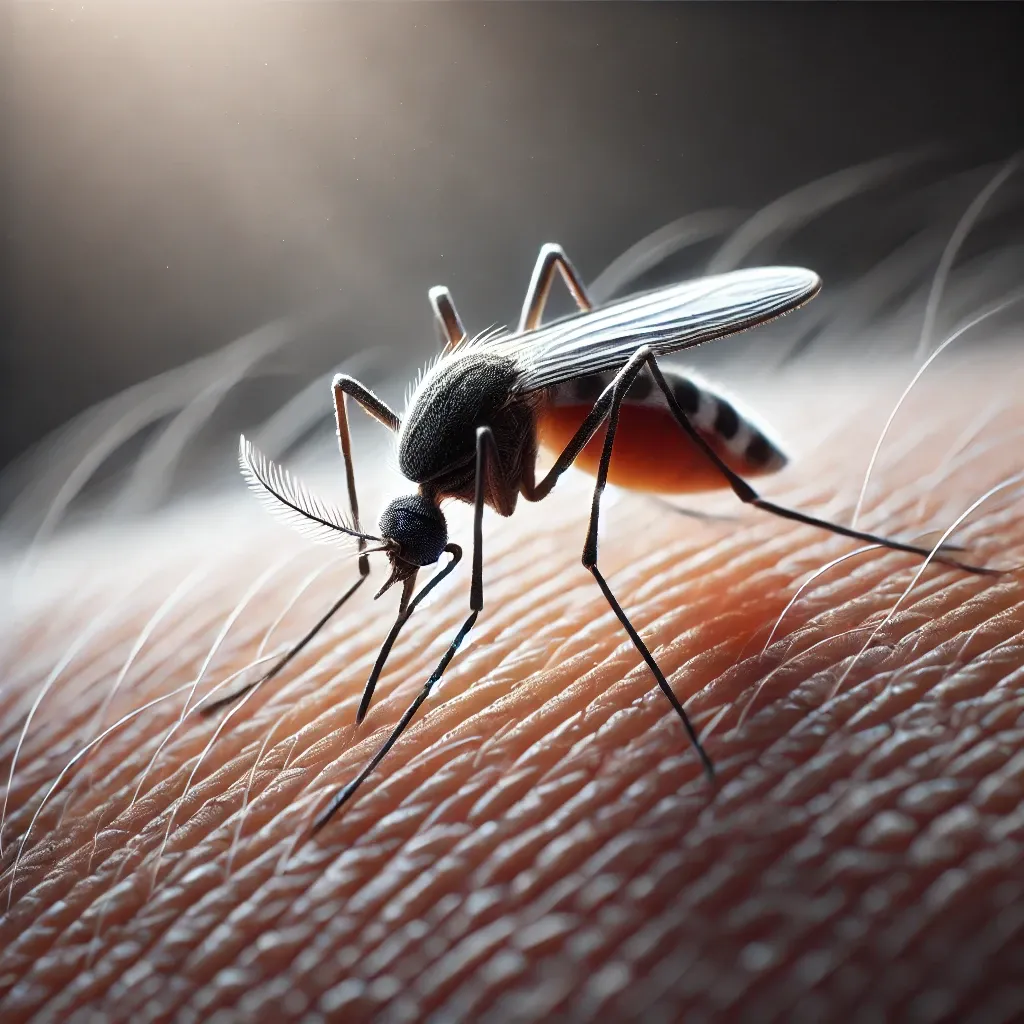
The USDA puts St. Petersburg in zone 10, a notch warmer than the inland Tampa Bay suburbs, because bay and Gulf water wrap the peninsula and soften its coldest nights. Inland, a few sharp winter nights knock insect populations down and buy homeowners a quiet season. Here that knockdown mostly does not come. Ant colonies keep foraging, roach reproduction slows without stopping, and mosquito season shortens instead of ending. The practical consequence is that St. Petersburg homes reward year round treatment more visibly than almost anywhere else we serve, and a lapsed quarter shows itself faster.
The Bungalow Belt
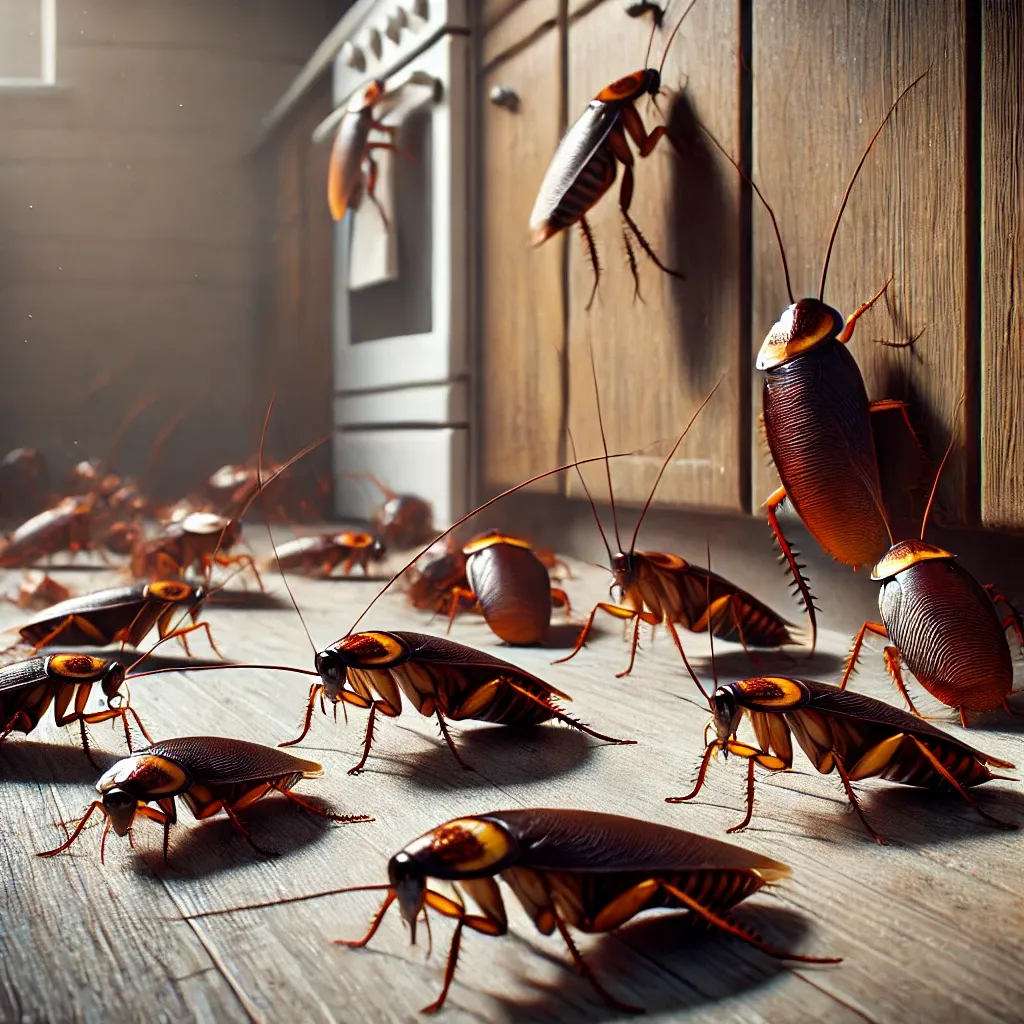
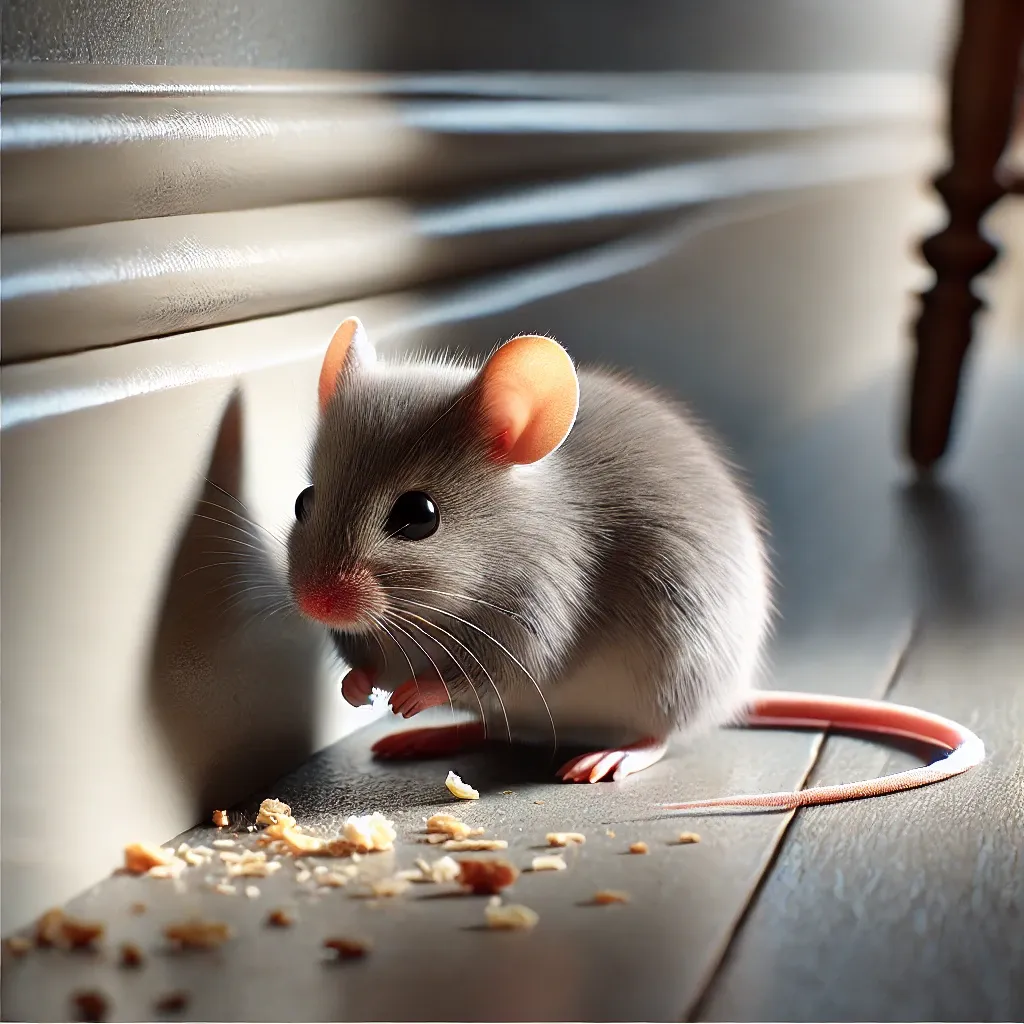
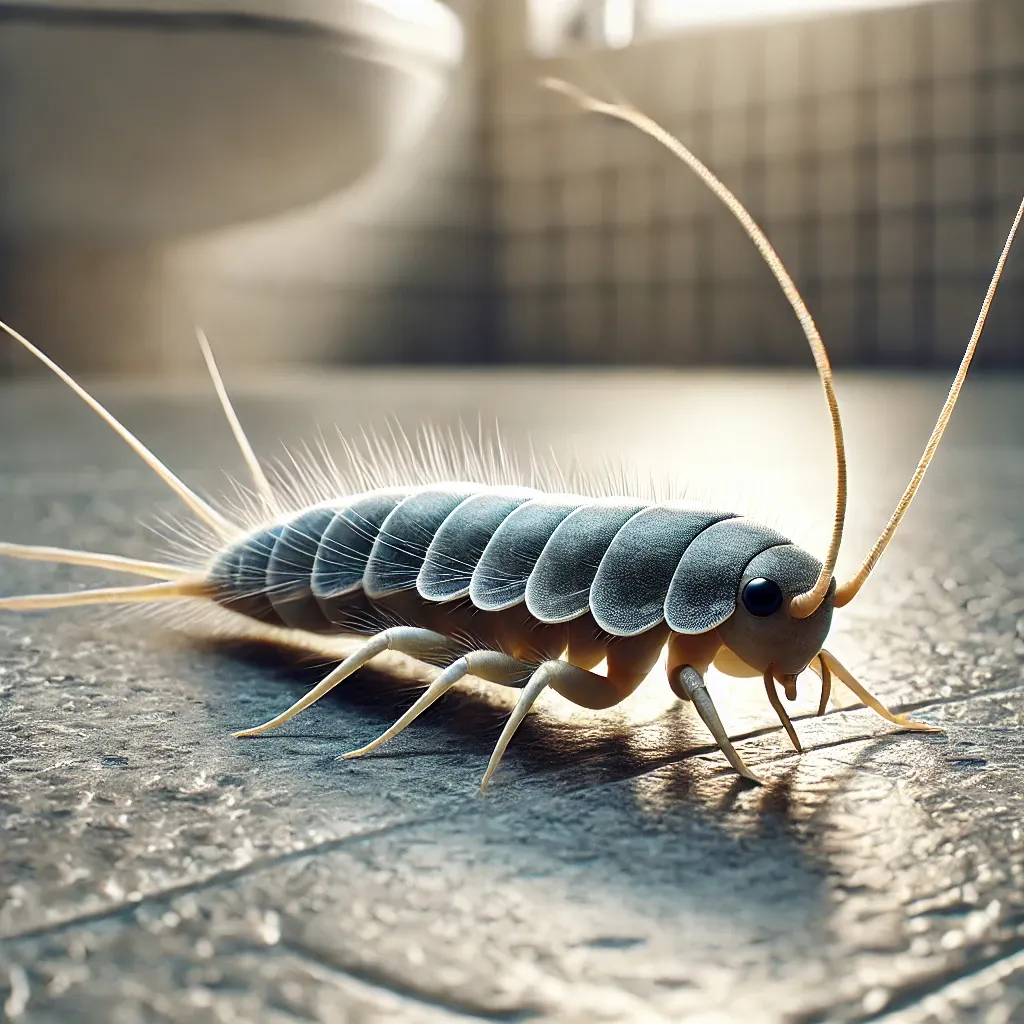
Historic Kenwood’s Craftsman bungalows and the Old Northeast’s brick streetcar blocks date to the city’s 1905 to 1920s boom, and a century old neighborhood runs on century old infrastructure. St. Petersburg has spent years and hundreds of millions rebuilding its aging sewer system, which tells you everything about what lives down there in the meantime: American cockroaches develop in sewers and storm drains, then surface through the connections older plumbing offers. Above ground, the same blocks carry a mature canopy of oaks and palms, and roof rats nest in both, including inside the skirt of dead fronds a tall palm collects. Between the walls, interiors that have held a hundred years of Gulf air stay humid enough for silverfish to raise generations in the plaster.
Low Streets, High Water
Shore Acres sits about two feet above sea level, and Riviera Bay and Coquina Key are barely higher, which every resident of those neighborhoods learns by heart. What flooding means for pest life is less discussed. Salt marsh mosquito eggs wait in dried soil, sometimes for months, and hatch when water finally covers them, so the brood arrives on schedule days after the streets drain. Displaced rats move upward into whatever stays dry, and drain roaches surface everywhere the lines backed up. When a mosquito bloom follows a flood in these neighborhoods, it is not chance. It is biology with a calendar, and treating the yard before the hatch matures beats swatting at it after.
A Neighborhood Stacked on End
Downtown’s new towers put hundreds of kitchens on one plumbing spine, and German cockroaches are the pest that reads a high rise best. They arrive in boxes and grocery bags, settle into a kitchen, and travel between units through the plumbing that shares a wall, floor after floor. A tower is a neighborhood stacked on end, and treating it like a detached house misses the point. Our German roach guide explains the difference, and for the condo owners and managers who call us, the work is unit level treatment plus the shared route logic that keeps it from coming back.
Green at the Edges
The city keeps real wilderness inside its limits: Weedon Island Preserve’s mangroves on the bay side, Boyd Hill’s 245 acres on Lake Maggiore, Salt Creek threading from Bayboro Harbor through the working waterfront. Mangrove and marsh edges hatch salt marsh mosquitoes that do not stay at the preserve boundary, preserve boundaries feed raccoons and possums into adjacent yards, and canal banks give rats nesting ground with a water view. Living near the green parts of St. Petersburg is worth it, and it comes with a perimeter worth maintaining. Our hurricane season guide covers what the storm months add on top.
If you suspect the rats have moved from the bank to the attic, the evidence arrives in a fairly reliable order. Scratching overhead at night comes first, because roof rats are nocturnal and you hear them long before you see one. Then droppings along the walls and near stored food, gnaw marks on wood and wiring insulation, greasy rub marks where the same oily fur brushes the same corner night after night, and insulation or paper shredded into a nest. Store traps often catch nothing in that attic, and it is rarely because the rats left. Roof rats are deeply suspicious of anything new in their space and will simply detour around a trap for days while the colony keeps growing. The routes are readable, though. Set traps on the runway the droppings and rub marks mark out and the same trap starts producing.
A quarter million people live on this peninsula, and every one of their addresses gets the same company the smallest town we serve does: the family in Odessa that owns the license answers the phone at 813-961-2627, or request a free quote online. The sunshine is yours. The pest calendar it runs is ours to handle.
Neighborhoods We Serve in St. Petersburg
Don't see your neighborhood? If you're in or around St. Petersburg, we cover you: reach out or call 813-961-2627.
St. Petersburg Pest Control Questions
Is St. Petersburg really in your service area?
Yes. We service all three counties from our family office in Odessa, and St. Petersburg, the largest city in Pinellas County, is fully part of that. Quotes are free, and the price you hear is the price.
Why do roaches show up right after a big storm?
American cockroaches develop in sewers, storm drains, and similar wet infrastructure, and a hard storm turns all of it upside down. Rising water pushes them out of the lines and toward higher, drier structures, which is often a house. Sealing the entry points they use and treating the paths between drain and door is what breaks the cycle the storm restarts.
We have no fruit trees. Why do we still have roof rats?
Fruit is only one item on their menu. Roof rats nest in attics, soffits, oak canopy, the skirts of dead fronds on palm trees, and the banks of canals, all of which St. Petersburg has everywhere you look. A yard with tall palms and a seawall can carry rat pressure a citrus grove would envy. Exclusion and trapping work the same either way.
Can you treat one condo unit, or does the whole building need service?
We can absolutely treat a single unit, and it helps. The mechanics matter, though: German cockroaches follow the plumbing runs between neighboring units, so a treatment that accounts for the units around yours holds far longer than one that stops at your door. Where an association or manager is involved, we work with them.
Nearby Service Areas
Ready for a Pest Free Home in St. Petersburg?
The Liberty Pest family answers its own phone. Call 813-961-2627 or request a free quote. One family, one Odessa office, since 2007.