Florida never gives pests a winter.
In most of the country, a hard freeze resets insect populations to near zero every year. Tampa Bay doesn’t get one. Ghost ants trail through kitchens in January, roof rats breed in every month, and palmetto bugs work the foundation line year round. That’s the entire argument for recurring pest control in one sentence: the pressure never resets, so the protection can’t either.
Everything past that sentence is detail, and the detail is worth understanding before you sign up for anything, including the parts of this that pest control companies don’t usually volunteer, like who doesn’t need a maintenance plan.
Key Takeaways
- Tampa Bay has no killing frost, so ants, cockroaches, and rodents forage and breed twelve months a year.
- Exterior barrier treatments break down under Florida sun and summer rain; quarterly renewal exists to close that gap, not to sell you visits.
- A maintenance visit is mostly inspection and exterior work (web and wasp nest removal, barrier renewal, entry point checks), not routine indoor spraying.
- Some homes genuinely don’t need a plan. Renters, some condo owners, and low pressure situations are legitimate exceptions.
Why Is Pest Pressure Different in Florida Than Almost Anywhere Else?
Up north, pest control has an off-season because winter does half the work. Here, the calendar just shuffles which pest is most active.
Summer’s daily downpours flood ant colonies out of the soil and push ghost ants, big headed ants, and fire ants toward the nearest dry structure, which is your house. Dry spring stretches send the same ants toward irrigated lawns and A/C condensation lines for water. Fall and winter are peak season for roof rats moving into attics, and German cockroaches don’t care about weather at all once they’re inside, because your kitchen is 75 degrees in every month. Our guide on how weather changes affect pest activity in Florida walks through the full calendar.
The practical consequence: a one time treatment in Florida solves the problem you have today and does nothing about the pressure that rebuilds next quarter. That’s not a sales line. It’s chemistry and climate.
How Does Quarterly Barrier Maintenance Actually Work?
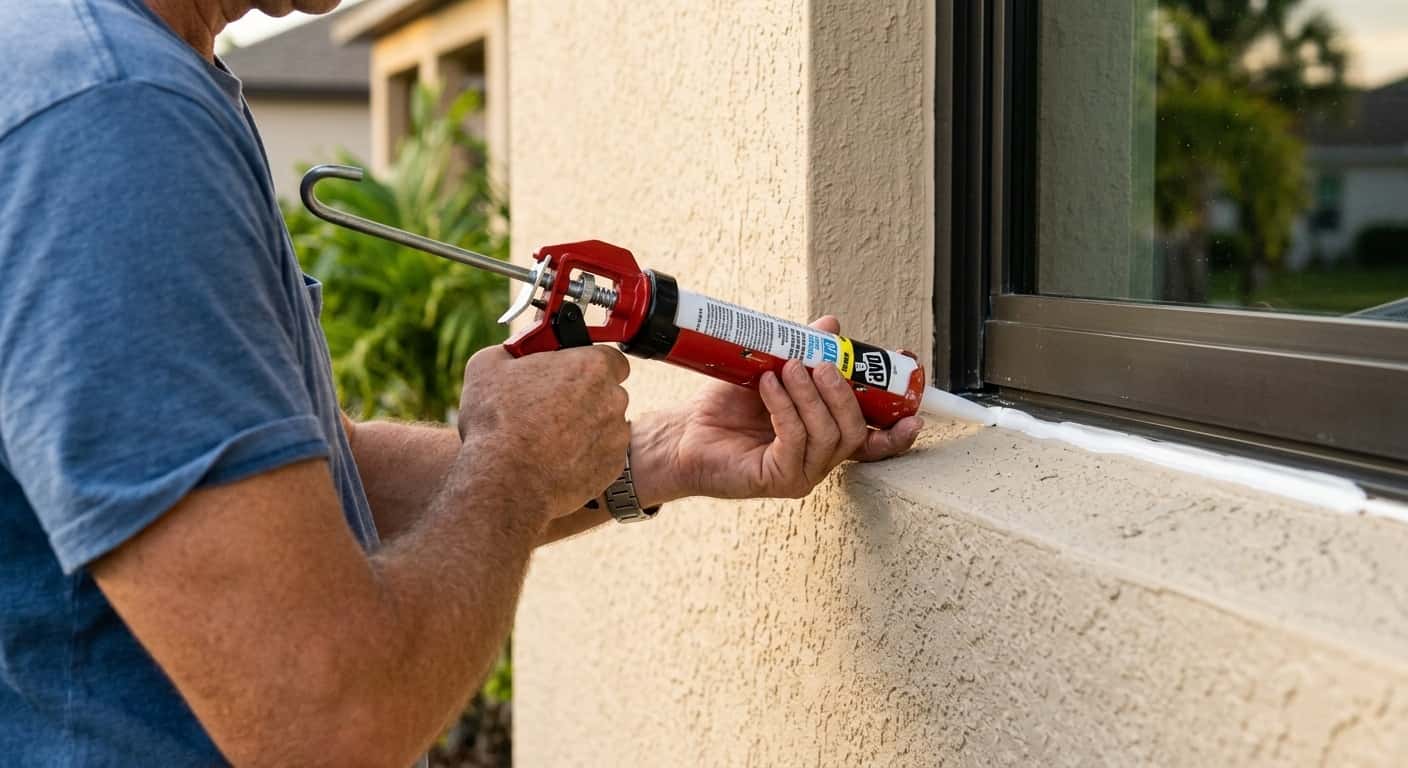
Modern residential pest control is built on an exterior barrier: a treated band along the foundation, entry points, and thresholds that stops pests before they’re inside. Two things about that barrier matter to your wallet.
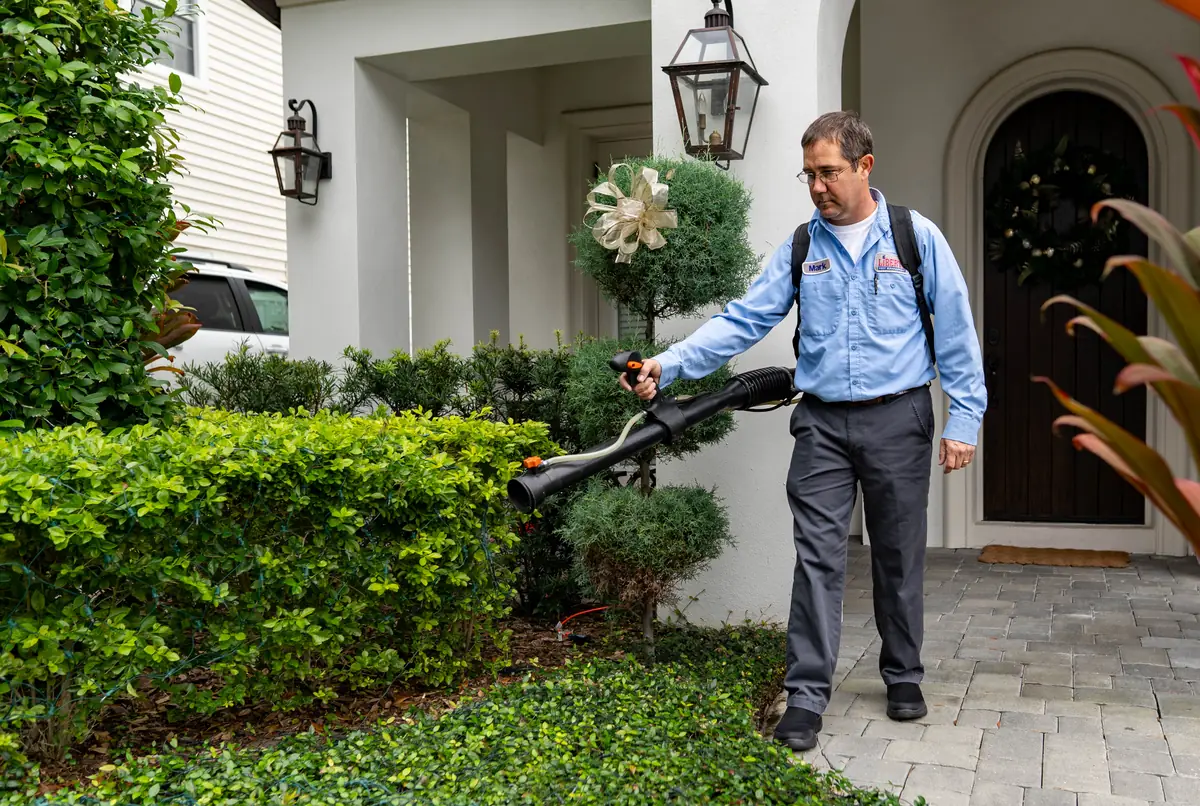
First, it’s exterior-first by design. When the barrier is doing its job, most visits involve no interior treatment at all. Less product inside your home is what most families with kids and pets prefer, and it’s also simply how prevention is supposed to work: the goal is that you never see the pest, not that we treat it after you do.
Second, no exterior treatment is permanent. Florida’s UV, heat, and summer rain degrade any barrier over a matter of weeks to months, faster in the rainy season. Quarterly service exists because that’s roughly the rhythm at which the barrier needs renewing before gaps open. Bimonthly makes sense for heavier pressure situations, homes backing conservation areas or ponds, lots with dense mature landscaping, or a history of German cockroach or heavy ant activity. Homes tucked against the wooded edges of neighborhoods like Carrollwood often fall into that category; a typical suburban lot usually doesn’t.
What Does a Maintenance Visit Actually Include?
If you picture a technician spraying baseboards for ten minutes, that’s the old model, not what you should be paying for. Here’s what a proper maintenance visit looks like.
| Visit component | What the technician does | Why it matters |
|---|---|---|
| Full exterior inspection | Walks the entire perimeter checking eaves, soffits, weep holes, garage seals, and moisture conditions | Nearly every infestation announces itself outside before you see anything inside |
| Web and wasp nest removal | Sweeps spider webs from eaves and knocks down new paper wasp starts | A golf ball sized wasp nest in April is a two minute task; the same nest in August is a defended colony |
| Barrier renewal | Re-treats the foundation band, entry points, and door thresholds | Replaces what sun and rain broke down since the last visit |
| Entry point monitoring | Checks for new gaps, rodent gnaw marks, rub marks, and droppings | Catches rodents while it’s still an exclusion job, not a trapping and cleanup job |
| Targeted work as needed | Treats active ant trails and mounds, places baits where activity shows | Prevention plus whatever the inspection actually found that day |
| Findings report | Notes what changed since last visit | Quarter over quarter trends catch slow building problems |
One honesty note: if we find mud tubes or other signs of subterranean termites, we tell you and refer you to a termite specialist. Liberty doesn’t offer termite treatment, and we’d rather say so plainly than dabble in work that belongs with a dedicated termite company.
What Problems Does Maintenance Catch Early?
The inspection is the quietly valuable part of the visit, because the expensive pest problems in Florida are the ones that build silently.
- Rodents. Fresh gnaw marks on a soffit screen or droppings along a garage wall mean rats are probing but not established. At that stage it’s a sealing job. Months later it can mean a colony in the attic, chewed wiring, and contaminated insulation, the full removal process we describe in our rodent control service.
- Wasp nests. Every paper wasp colony on your eaves in August was a removable golf ball in spring. Regular visits mean nests get knocked down at the two minute stage.
- German cockroaches. These hitchhike in on boxes and grocery bags and breed entirely indoors. Caught at first sighting, cockroach treatment is quick. Caught after months of unnoticed breeding behind a refrigerator, it’s an intensive multi-visit cleanout with kitchen prep each time.
- Ant colonies. A faint ghost ant trail on a windowsill is a bait placement. A satellite colony established in a wall void is weeks of follow up.
The cost asymmetry here is real even without attaching invented dollar figures to it: remediation of an established infestation costs more in visits, disruption, prep work, and repairs than prevention does, essentially every time. That’s the actual financial case for maintenance. Not fear, arithmetic.
What Do Recurring Customers Actually Get?
Concretely, a Liberty maintenance plan is the scheduled visits described above plus the continuity of the same family company seeing your property season after season. The technician who renewed your barrier in March knows which corner drew ants in May, so each visit builds on the last instead of starting from zero. And if something shows up between visits, telling us matters: activity between visits shows the technician exactly where the next treatment needs to go.
Who Doesn’t Need a Maintenance Plan?
We’re a family owned company, and we’d rather lose a sale than pitch you something you don’t need. So, honestly:
- Renters usually shouldn’t buy one. Pest control is often the landlord’s responsibility, especially in apartments: check your lease and report the problem before paying for service yourself.
- Many condo owners are already covered by an association-wide contract. Check before paying twice.
- A first-time problem doesn’t require a plan. If you have a specific issue right now, a one time service is a legitimate way to buy. You don’t have to sign up for anything to get a problem fixed, and we’ll tell you if that’s all your situation calls for.
- Low pressure homes with a diligent owner. If your lot is open, your home is well sealed, you manage moisture, and you’d actually do quarterly walkarounds yourself, an annual inspection may be enough. Most people don’t keep that up, but if you’re the exception, be the exception.
Where recurring service earns its keep is the typical Tampa Bay reality: heavy landscaping, warm wet summers, sandy soil full of ant colonies, and a home you’d rather not think about pests in at all.
Frequently Asked Questions
How often should pest control be done in Florida?
Quarterly is the right cadence for most Tampa Bay homes. It matches how fast exterior treatments degrade in our sun and rain. Bimonthly fits heavy pressure situations: dense vegetation, homes backing ponds or conservation land, or a recent German cockroach or rodent history. Monthly service is rarely necessary for a residential property, and you should question a proposal built on it.
Do I need to be home for a maintenance visit?
Usually not. Because the work is exterior-first, most visits are completed entirely outside: inspection, web and nest removal, and barrier renewal. Interior treatment happens when something the inspection found calls for it or when you’ve reported activity inside, and we schedule those so you’re home.
What happens if pests show up between visits?
Call us and tell us what you’re seeing. Activity between visits tells your technician where the next treatment needs to go, and we’ll schedule a return visit.
Does a pest control maintenance plan cover termites?
No, and be wary of anyone who blurs this line. Termite protection is a separate service with its own inspection and treatment methods, typically under a termite bond. Liberty doesn’t offer termite services; if we see evidence during a maintenance visit, we’ll tell you and refer you to a termite specialist.
Can I skip service in the winter?
Florida winters don’t kill pests, they redirect them. Fall and winter are peak months for rodents entering attics, and mild stretches keep ants and wasps active in every month. Skipping winter visits is how spring starts with an established problem instead of a clean barrier.
Where That Leaves Tampa Bay Homeowners
Recurring pest control isn’t essential for every homeowner everywhere. It’s close to essential in Tampa Bay specifically, because the climate that makes this a good place to live makes it a year round place for pests to live too. If you want to see exactly how a first visit runs before committing to anything, read what to expect from professional pest control in Tampa.
Liberty Pest Management is family owned, based in Odessa, serving Tampa Bay since 2007, and licensed by the State of Florida (JB-151032). Contact us and we’ll give you a straight answer about whether a maintenance plan fits your home, including when it doesn’t.