Most towns in Hillsborough County were built on land. Apollo Beach was built into it. The tract was deeded to Paul Dickman in 1920 and worked for farming and grazing for decades, but the site itself was mangrove at low elevation and was considered uninhabitable. Francis Corr bought the land in 1957, his wife Dorothy suggested the name Apollo Beach in 1958 for the area’s greatest asset, sunshine, and crews went to work dredging the shoreline into something people could live on. What came out of that work is roughly 55 miles of canal connecting to Tampa Bay. What stayed is hundreds of acres of the original mangrove and environmental land, preserved and donated by Thomas Corr as development continued, along with land for parks and schools.
So there are two kinds of ground in this community of 26,000 people, and they are interleaved rather than stacked. Some of what your lot touches was manufactured. Some of it was here before anyone drew a plat. For pest control that distinction is not a history lesson. It is the whole map, because the two edges produce different pests and neither one is treated the same way.
The Manufactured Edge
A canal is a permanent water feature with a hard structural bank, and 55 miles of it in a community 22 square miles across means most of Apollo Beach lives within a short walk of one. The waterline is where the pest work starts on these streets and where most treatment plans stop short.
Look at what a seawall actually is from a rat’s perspective. Gaps open behind cap stones. Rip rap piles at the water’s edge give cover no predator can search well. Dock decking, piling wraps, and boat lift housings add dry sheltered space directly over water. Roof rats are known for climbing, and the climbing is real, but the same species also burrows in canal banks and works ground level cover, which is why a canal lot can carry rodent pressure with no oak canopy involved at all. Then there is what people store at the water: cushions, covers, coolers, life vests, and the folds of a boat cover holding an inch of rainwater a few steps from the lanai.
That inch matters. Some mosquito species need about a bottle cap of water to complete a generation, and in summer heat the trip from egg to biting adult can take about a week. A bilge, a bait well, a kayak left upright, and a tarp with a low spot are four breeding sites sitting on the water side of the house where nobody thinks to look for standing water, because there is so much water in view already.
The Natural Edge
On the other side of the community sits ground that was never developed. Preserved mangrove and marsh run between neighborhoods here rather than around the outside of them, which is unusual, and it means a wildland boundary can be a hundred feet from a back door in the middle of a subdivision.
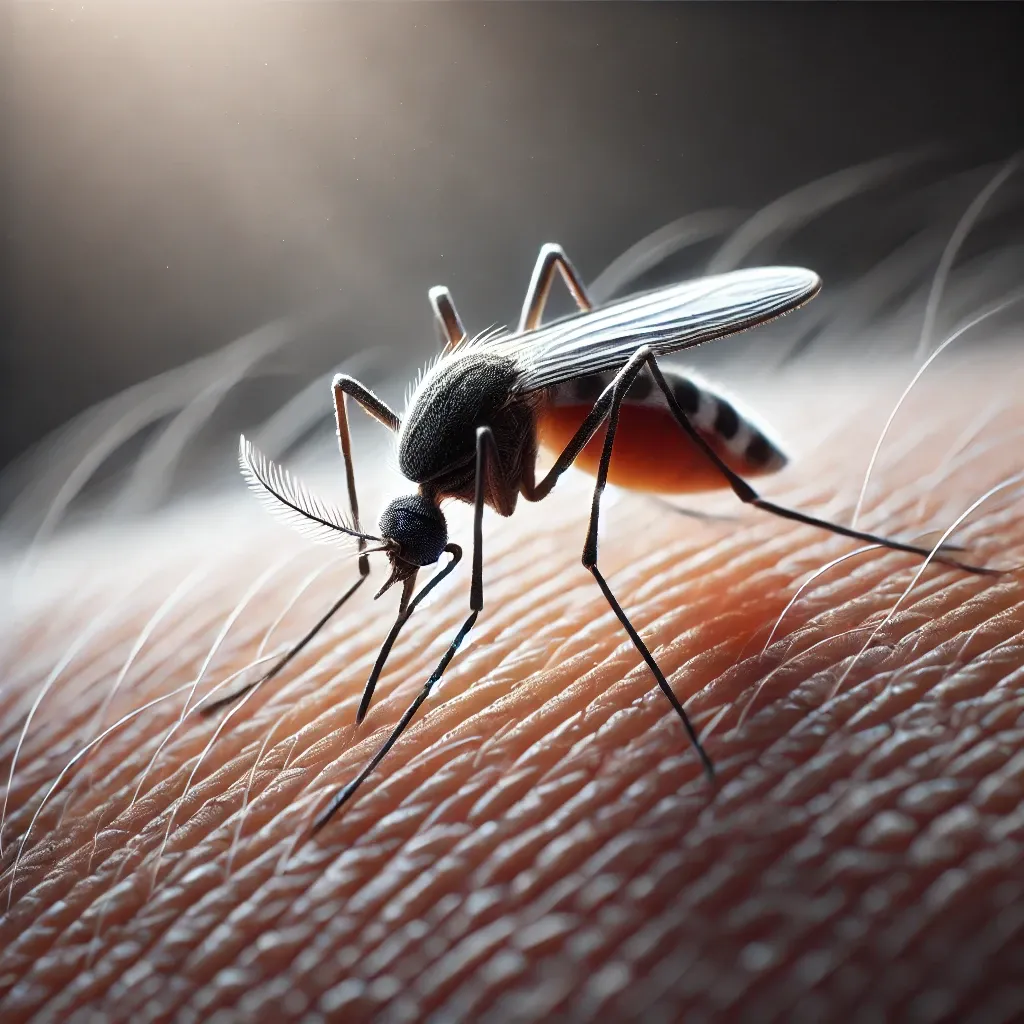
Salt marsh is a specific problem, not a general one, and the species behind it runs on a trigger most homeowners have never heard described. The black salt marsh mosquito is a floodwater breeder. Females deposit eggs onto damp marsh ground rather than into open water, the eggs go dormant where they land, and nothing happens until water rises over them. A high tide does it. So does a heavy enough rain. Whatever finally covers that ground starts thousands of eggs at the same moment, which is why this coast produces mosquitoes in pulses instead of a steady trickle. UF reports enormous emergences following those floods, aggressive biting, and adults recovered well inland of the marsh they came from. That last finding is the one that surprises people who bought mid block and assumed distance from the water settled the question.
This changes what mosquito control can accomplish in Apollo Beach. Emptying water works, and it works entirely on the fresh water half of the problem: gutters, saucers, boat covers, the bilge. It does nothing to the marsh, and the marsh is not yours to drain. So the second layer carries more weight here than it does inland. Adults spend daylight hours resting in dense humid vegetation, hedges, the space under a deck, the shaded side of a fence line, and treating that vegetation intercepts arrivals from a source no homeowner controls. Our guide to the Tampa Bay mosquito season walks through when each stretch of the year turns on. On this shoreline the treatment interval matters more than how many blocks you are from open water.
Mosquitoes are not the only thing a preserved boundary sends over. Spiders settle wherever prey concentrates, and two features of waterfront living concentrate prey on purpose. Dock lighting and landscape lighting pull flying insects out of a dark marsh and stack them in one bright column, and a screen enclosure gives web builders a rigid frame with unlimited anchor points directly above that column. Between the two, a lanai on the preserve side of a street can be swept clean on Saturday and strung again by Wednesday, and none of it is a housekeeping problem. The species that matters most for caution is the black widow, which is established in Florida and shy but does turn up in exactly the low traffic storage a canal lot accumulates: dock boxes, garage shelving, the undersides of outdoor furniture, and the meter box. Gloves before reaching into any of those is a habit worth keeping out here.
What Fill Does to a Slab
The ground under an Apollo Beach house is worth understanding on its own terms. This was low elevation land, and low filled ground behaves differently than the sandy flatwoods soil that drains fast farther inland. Water sits longer against a foundation, and moisture at the slab is the mechanism behind a surprising share of Florida pest calls.
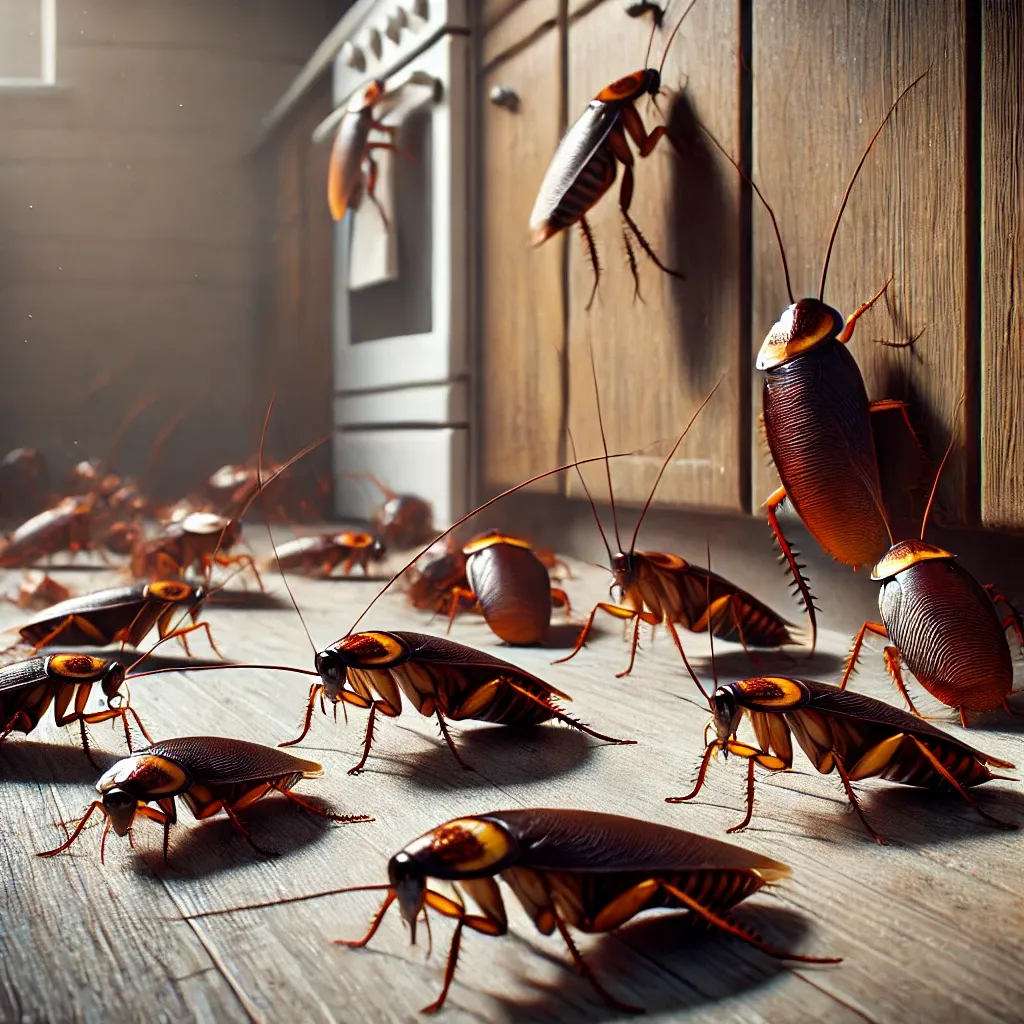
When soil stays saturated against a foundation, ground nesting ants read the slab as the only dry option available and move accordingly, which puts them inside. American cockroaches do not need to move in at all, because a wall line that never dries out supports them where they already are, and coastal air between June and September gives them no reason to leave. Our guide to moisture and pest problems covers the five places water collects around a Florida home. On filled low ground, drainage away from the wall is the first one worth checking.
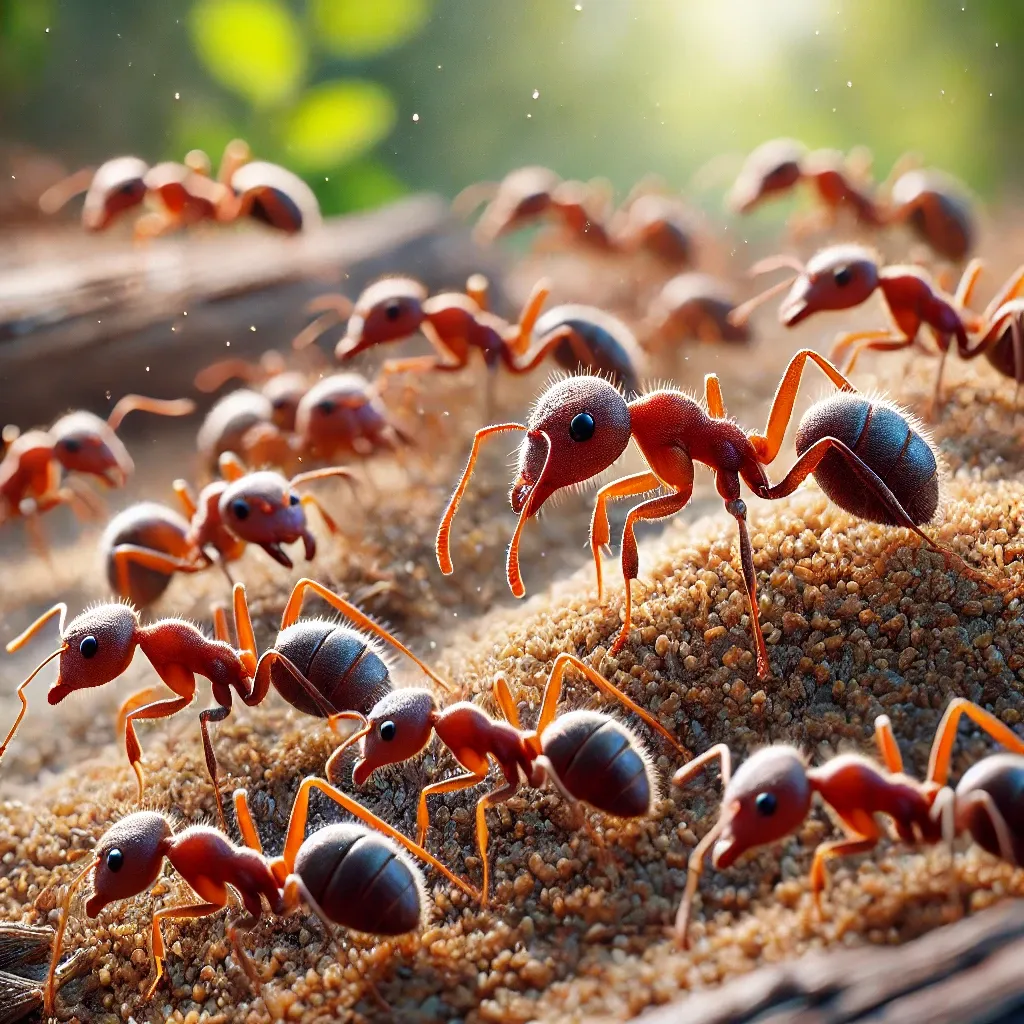
Fire ants get the other half of the fill story, and it starts before anyone moves in. UF documents this species preferring open sunny ground, the pastures and lawns and cultivated fields category, and a graded pad finished with delivered sod is precisely that, on ground whose original vegetation was mangrove. Two mechanisms then keep resupplying it. Colonies travel in nursery stock and in the soil that comes with it, so a landscape package can deliver its own infestation. And when fresh water floods, a colony does not drown, it links into a floating mat and rides to whatever ground the water leaves it on. Flat low land near the bay gets that treatment several times a season. Which is why the target is always the colony rather than the mound you can see, since the mound is only where the ants happened to build this week.
Storm Weeks on Low Ground
Hurricane season puts both edges in motion at once. Storm winds lift shingles and crack soffits, opening attic entries that did not exist in May, while water pushes rats out of ground level burrows and toward whatever stays dry. On this ground the two events land in the same week. Standing water in every low spot starts producing biting adults within days, drain lines run stressed, and the marsh soil that had been dry gets covered, which is the trigger the salt marsh brood was waiting on.
The week after the water pulls back is the week to walk the property: tip out anything holding water, check the screen enclosure splines and door sweeps that summer storms loosen, and look hard at the roofline before anything moves in. Our hurricane season guide walks through the full checklist.
Two Edges, One Plan
The Big Bend Power Station stands on Apollo Beach’s northern border and is visible across Tampa Bay, which makes it the community’s most conspicuous landmark. The feature that actually shapes the pest work is quieter. It is the fact that this place is half engineered and half original, and that the property line between those two halves runs through the middle of ordinary neighborhoods. A canal lot gets waterline work first. A preserve lot gets resting foliage, screens, and a sealed roofline first. Plenty of addresses here get both, because both edges touch them.
Liberty Pest Management works the whole of Hillsborough County from a family office in Odessa, canal streets and preserve streets alike. Reach us at 813-961-2627, or get a free quote here on the site.
Apollo Beach and the Communities Around It
Don't see your neighborhood? If you're in or around Apollo Beach, we cover you: reach out or call 813-961-2627.

Apollo Beach Pest Control Questions
Why are the mosquitoes here different from the ones my friend deals with in Riverview?
Because the water is different. Inland Riverview runs on fresh water breeding: stormwater basins, gutters, plant saucers, the things that fill after a storm. Apollo Beach has all of that plus salt marsh, and the black salt marsh mosquito reproduces on a different trigger. Its eggs are deposited on damp marsh ground rather than into water, they sit there dormant, and flooding is what starts them. UF reports enormous emergences once that flooding happens, aggressive biting, and adults recovered well inland of any marsh. So the Apollo Beach version of a bad evening often has no local cause you can point at, and it follows the tide or the storm by a few days rather than following anything in your yard.
We are on a canal. Does the seawall itself cause problems?
The waterline structures do, and most treatment plans skip them. Gaps behind seawall cap stones, rip rap at the water's edge, and the undersides of docks and boat lifts give roof rats sheltered runs with water and cover at ground level. That matters more here than the climbing reputation suggests, because the canal bank is continuous habitat running the length of the neighborhood. On canal lots we work the waterline first and seal the house second, so the population outside has no route in.
Our lot backs up to preserved mangrove. Is that worse than backing up to another house?
It is different, and it is worth what you paid for it. A preserved edge means marsh and mangrove that no yard program treats and no homeowner drains, so mosquito broods, wildlife, and the insects spiders follow all arrive from a source you cannot remove. What changes on a preserve lot is the emphasis: the resting foliage on your side of the line, a tight screen enclosure, and a sealed roofline carry more of the load than they would mid block.
This was mangrove swamp before it was a subdivision. Does the fill under the house matter?
It matters for moisture, which is the thing most pest problems in Florida actually run on. Low, filled ground holds water against a foundation longer than the sandy flatwoods soil farther inland, and saturated soil at the slab is what drives ants toward the drier ground indoors and gives American roaches the damp perimeter they develop in. It is not a defect in the house. It is a reason the perimeter and the drainage around it are the first things we look at here.
Nearby Service Areas
Ready for a Pest Free Home in Apollo Beach?
The Liberty Pest family answers its own phone. Call 813-961-2627 or request a free quote. One family, one Odessa office, since 2007.