
The ground tilts here. That is the whole story.
Dade City’s own motto puts the town “In The Hills of Pasco County,” and the elevation behind that phrase is about 118 feet. In most of Florida a number like that would be a curiosity. In pest control it is a mechanism, because nearly every pest problem in this state is downstream of water, and water on a slope behaves nothing like water on a flat lot. Almost everywhere else we work, from the salt marsh coast to the flatwoods subdivisions, the recurring problem is water that will not leave. Up here the water leaves. What it does on the way out is the thing worth understanding about a Dade City property.
What a Slope Does to a Foundation
Start with the single most useful fact about a sloped lot: the uphill side and the downhill side of the same foundation are two different environments, and they will not have the same pests.
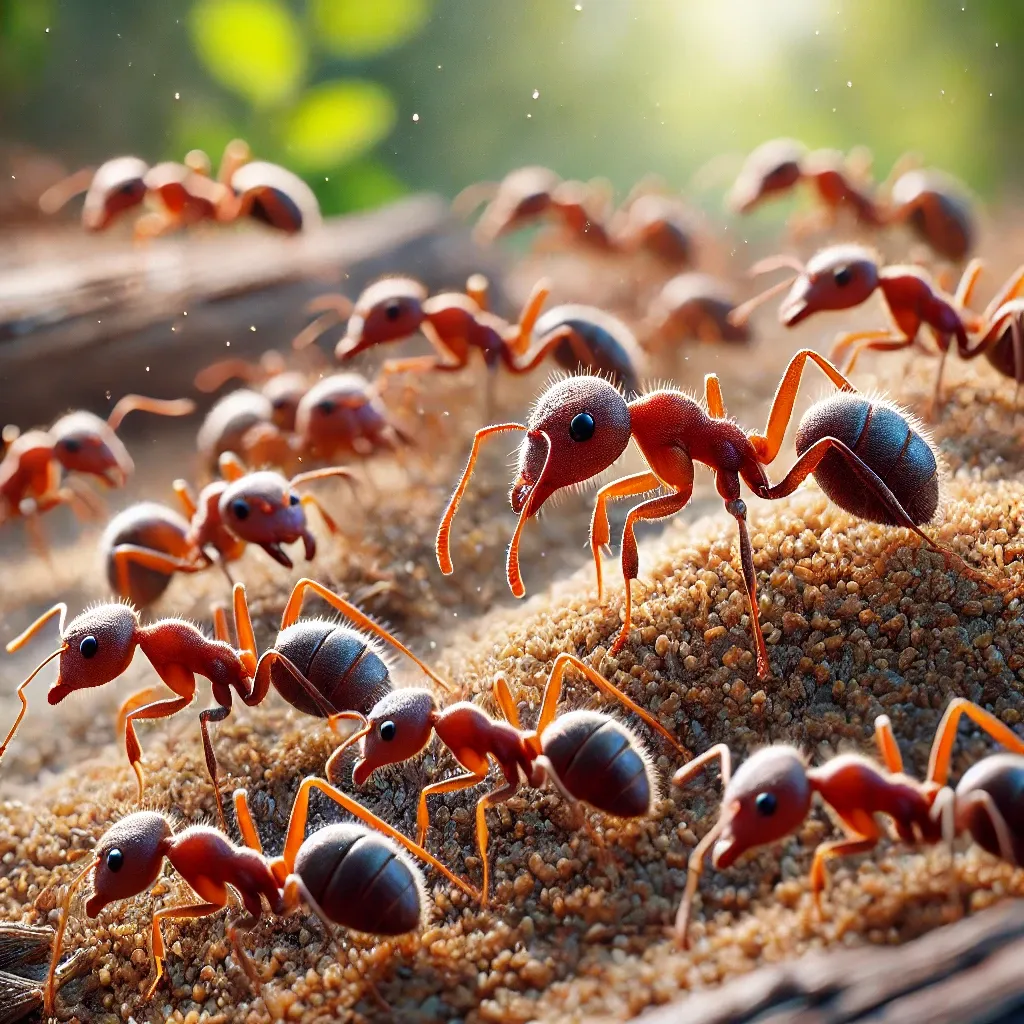
The uphill side sheds. Runoff turns away from the wall, the soil there dries between storms, and the sun reaches ground that is not holding a puddle. Open, sunny, well drained soil is exactly where fire ants like to mound, and sandy ground that drains well is easy digging for them. Expect the mound calls on the high side of the house.
The downhill side receives. Everything the grade sends, from the roof, from the yard above, from the neighbor’s lot if the slope runs that far, arrives at the low corner and lingers there before it moves on. That is where the soil stays damp against the wall, where mulch stays wet longer than it should, and where the low spot in the yard is still soft three days after a storm. Damp ground at a wall is what carpenter ants and ghost ants want, both of which are after moisture rather than sun, and a damp seam near a sill is worth checking rather than assuming.
Nothing about that is exotic. It just means a sloped property deserves two inspections instead of one, and the recommendations that come out of them will not match. Our guide on moisture and pest problems covers the five places water collects in a Florida home, and on a graded lot the low corner is quietly the sixth.
Where the Mosquitoes Actually Are
Elevation gets oversold on this point, so here is what it does and does not do. Height drains the land. It does not drain the yard.
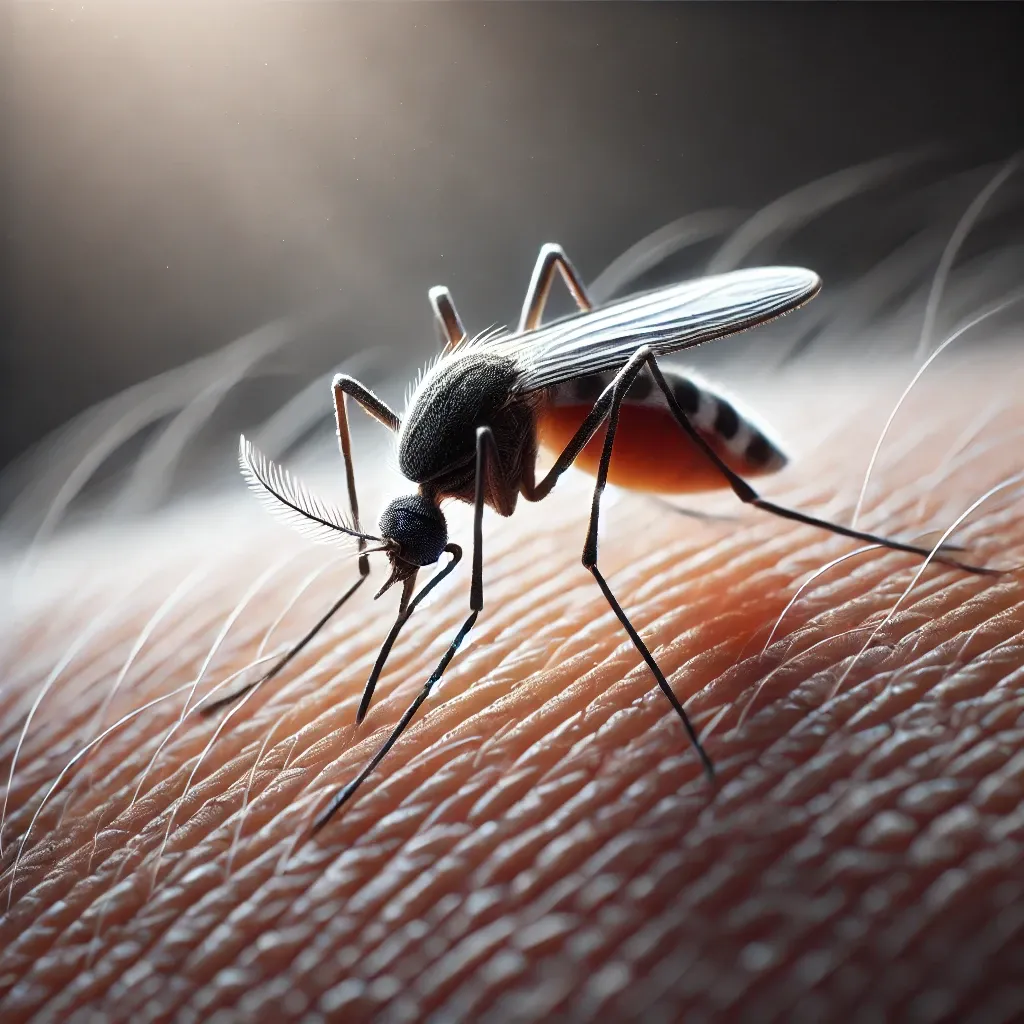
The wide, slow, standing sheet water that runs mosquito season across flatter parts of the county does not form the same way on ground that keeps moving water downhill. That is a real advantage and it shows up in the kind of breeding you find rather than the presence of it. What replaces the sheet is smaller and closer to the house: containers and low points. A plant saucer. A wheelbarrow left upright. A tarp with a fold in it. A gutter that clogged in the spring and has been holding a shallow pond ever since. And on a graded lot, the bottom of the grade, wherever runoff collects and sits after every storm rather than draining through.
Some mosquito species need about a bottle cap of water to raise a generation, which is why a hilltop yard with three neglected containers can out produce a flat yard with none. The advantage of this kind of breeding is that it is the kind you can win against. You cannot empty a marsh. You can empty a bucket, clean a gutter, and regrade the one corner that stays soggy, and then treat the shaded vegetation where the adults wait out the day between bites.
An 1880s County Seat Downtown
Dade City is the seat of Pasco County, and it has been a town since the 1880s. The Hatton post office was renamed Dade City on December 18, 1884, and the name honors Major Francis L. Dade, a U.S. Army officer killed in the battle that opened the Second Seminole War. What that century and a half left behind is a downtown commercial core, and a commercial core is a structurally different pest problem than a subdivision.
Old commercial blocks share walls. They share drain lines. Their plumbing connections were made under codes and with materials that have been superseded twice over, and a building that has been remodeled six times has six generations of penetrations in it. American cockroaches, the large reddish brown insects most people here call palmetto bugs, live outdoors in sewers, storm drains, mulch beds, and tree hollows, and they come up and in when weather pushes them, which is why sightings spike after heavy rain and again during long dry stretches. An aging drain network gives them more routes to use. On a downtown building the productive work is finding those routes and closing them, and our guide to palmetto bugs in Florida walks through what to check first.
Rodents read an old building the same way. Settled masonry opens seams, a shared wall means a neighbor’s problem is partly yours, and a back alley with dumpsters supports a population density that a residential street never would. Downtown rodent work is exclusion work with a survey attached, because you have to know which openings belong to your building before you can close them.
Groves, Kumquats, and the Field Edge
The other half of Dade City is agricultural. This has been citrus country, the annual Kumquat Festival celebrates a crop grown right here, and the working ground around town has never fully given way to development. For a house on that edge, the agriculture changes two things.
The first is food. Roof rats feed heavily on citrus, and a rat living near a producing tree does not have to work for a meal. Fruit on the ground extends the season, so on a grove edge property picking up drops is not tidiness, it is removing the funding for a colony. The second is displacement. Groves, packing structures, equipment sheds, and pasture hold rodents, and when that ground gets mowed, harvested, or cleared, the animals do not evaporate. They move to the nearest structure with a dry attic in it.
Roof rats are climbers. They reach a roofline along tree branches, fences, and utility lines, then get through a gap about the size of a quarter, and they nest overhead in attics, ceilings, and wall voids. On a rural edge lot, the branch over the roof and the fence line running to the eave are the two things worth looking at before anything else. If you want to know what is already overhead before you climb up, the roof rat guide lists what to look and listen for.
Agricultural surroundings also mean a wildland edge, and that pushes the usual list wider. Properties backing open ground see more traffic from wildlife than interior lots do, and it concentrates in fall when nights first turn cool and an attic starts looking better than a tree hollow. Walking the roofline and the soffit line in October is the cheapest inspection on the calendar.
Two Building Eras in One Small City
Dade City counted 7,275 residents in the 2020 census, with estimates since putting it closer to 8,600 across a little under eight square miles. That is a small town holding two very different construction traditions at once, which is more variety than the population suggests.
The historic core is old, and old buildings have more ways in: settled foundations, plumbing of a different era, seams opened by a century of movement, and additions built to whatever standard was current at the time. The newer development around the edges is sealed at the framing stage and arrives with the problems new construction always brings, which are graded fill, fresh sod, and disturbed soil that puts fire ant mounds in a lawn that is three months old.
Neither is worse. They just require different first questions. On the old side the question is where the openings are. On the new side the question is what the grading moved. And on a hillside lot, both of those questions get asked twice, once uphill and once down.
Liberty Pest Management is family owned and works out of 19619 Michigan Ave in Odessa, in the same county as Dade City. Call 813-961-2627 weekdays 7am to 9pm or weekends 8am to 5pm, or request a free quote and tell us which way your yard runs.
Dade City and the Communities Around It
Don't see your neighborhood? If you're in or around Dade City, we cover you: reach out or call 813-961-2627.


Dade City Pest Control Questions
Dade City sits up in the hills. Does that mean fewer mosquitoes?
Fewer of one kind, not fewer overall. At about 118 feet the ground sheds storm water instead of holding it, so the wide standing sheets that produce mosquitoes across flatter Pasco never form here. What replaces them is container water and the low corner of a graded lot. A plant saucer, a tarp fold, a clogged gutter, or the spot at the bottom of your slope where runoff pools for four days after a storm will all raise a brood. Eggs need about a bottle cap of water, and that much water exists at any elevation.
Why does one side of our house have ants and the other side does not?
Because on sloped ground the two sides are not the same place. The uphill side of a foundation sheds water away and dries out fast, which is sunny open soil and the kind of ground fire ants prefer to mound in. The downhill side takes everything the grade sends it, stays damp against the wall, and that damp strip is what draws ants looking for moisture rather than sun. We walk the high side and the low side of a sloped lot as two separate inspections, because treating them identically means one of them gets the wrong answer.
Our house is downtown and it is old. Is that the reason for the big roaches?
Largely, yes. Dade City has been the Pasco County seat since the 1880s, and the commercial core still has the buildings, the shared walls, and the underground plumbing connections that come with that history. American cockroaches, the big reddish brown ones people call palmetto bugs, live in sewers, storm drains, and mulch, and older drain lines give them more ways up. On a downtown block the answer is finding and closing those routes, not spraying the same baseboard twice.
We back up to a grove. What does that actually change?
It changes the food supply and the traffic, not the treatment. Citrus is the reason. Roof rats feed heavily on citrus, so a property line against producing trees is a property line against a standing food source, and fallen fruit on your own side keeps the circuit running through your yard. Groves and the sheds around them also hold rodents that relocate toward the nearest structure when that ground gets mowed, picked, or cleared. On a grove edge lot the roofline and the fruit on the ground are where the work is.
Do you actually come out to Dade City from Odessa?
Yes. Dade City sits at the eastern end of the same county our office sits in, and Pasco is one service area to us rather than two. We have worked out of Odessa since 2007 and cover Hillsborough and Pinellas from there as well. Nothing about a quote costs anything. Call 813-961-2627 or ask online.
Nearby Service Areas
Ready for a Pest Free Home in Dade City?
The Liberty Pest family answers its own phone. Call 813-961-2627 or request a free quote. One family, one Odessa office, since 2007.