Port Richey began as a store on a river landing. Aaron Richey settled at the mouth of the Pithlachascotee in December 1883, opened a general store at the spot people were already calling Richey Point, and ran a small schooner up to Tarpon Springs to keep its shelves stocked. In July 1884 the post office department granted his petition for a Port Richey post office, which put the name on a map thirty years before anyone platted the “New” Port Richey to the south, and when the younger town incorporated in 1924, the original answered by incorporating in 1925. A century later the arrangement stands: New Port Richey grew into the big namesake, and Port Richey stayed the small original, about 3,000 people on barely more than two square miles where the Cotee River finally meets the Gulf.
Where the River Ends
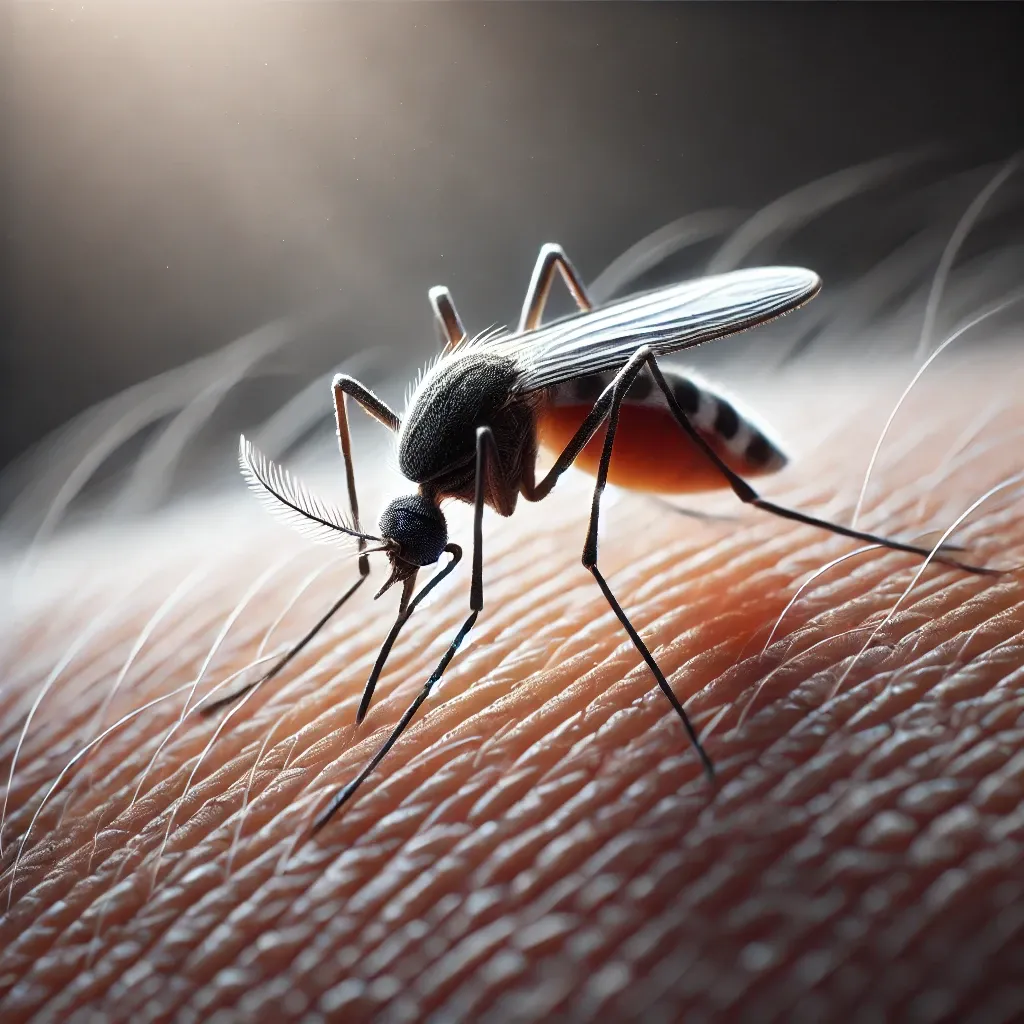
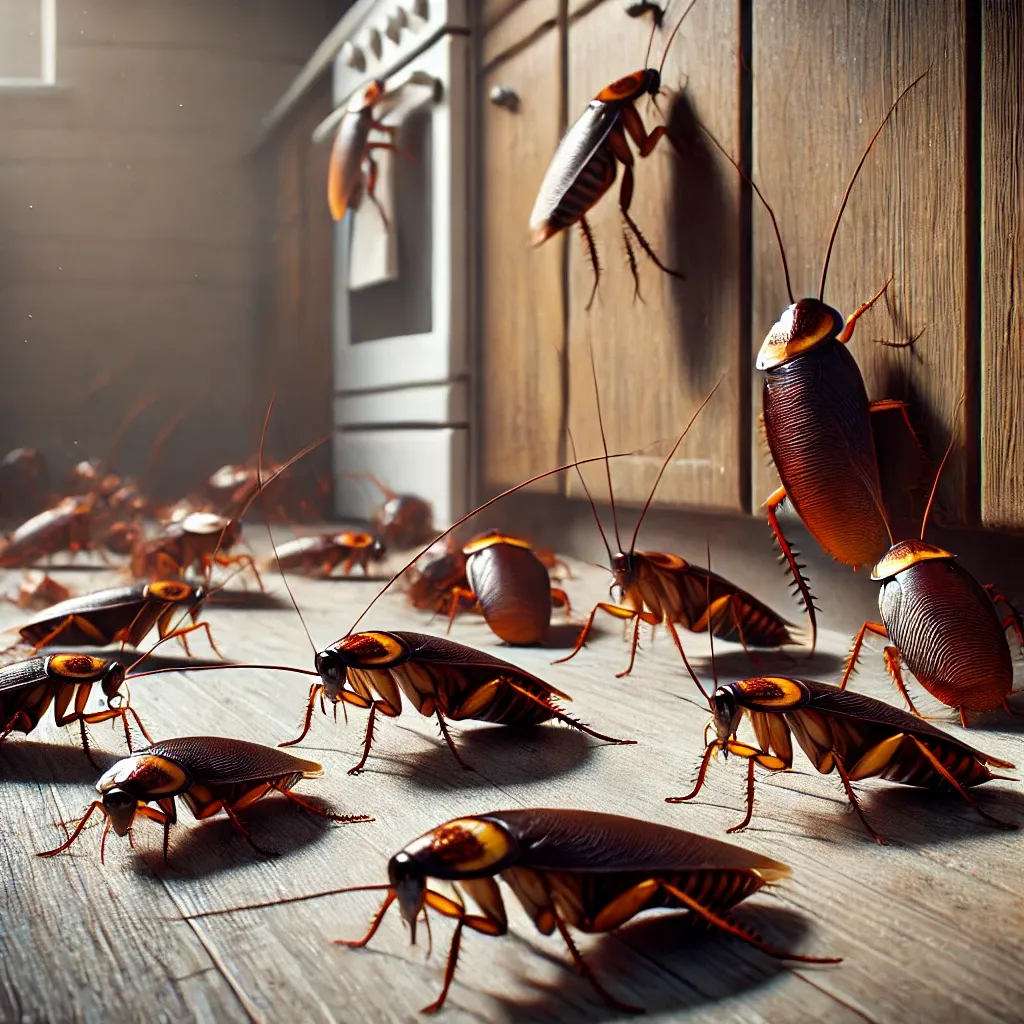
The Cotee runs more than twenty miles from the pine country near Crews Lake, through wilderness preserve and downtown New Port Richey, and finishes here at Miller’s Bayou, a tannic blackwater stream dissolving into salt. A river mouth is an estuary, and an estuary keeps its own mosquito schedule. The black salt marsh mosquito lays eggs in the damp soil above the waterline, in bands along the contour where flooding is occasional, and those eggs hatch whenever water reaches them, on wind tides and lunar tides as readily as rain. That is why a dry week here can still end in a mosquito bloom: the Gulf keeps its own appointments. Our work aims at the yard side of that arrangement, the standing water you can control and the shaded foliage where the tide’s arrivals spend the day. The river’s managers also document what a developed basin carries, aging septic and stormwater lines among it, and aging drain infrastructure is exactly where American roaches live, which keeps the oldest blocks nearest the water on our inspection list.
Four Protected Miles Next Door
Werner-Boyce Salt Springs State Park runs four miles of protected coastline along western Pasco, with its main entrance on Port Richey’s own stretch of US 19 and a salt spring measured 320 feet deep inside it. Salt and grass flats, tidal creeks, mangroves, and marsh sit permanently beside the city, hosting manatees and dolphins offshore and wood storks and rails in the shallows. Protection means permanence, and permanence cuts both ways: the wild coast that makes Port Richey worth living in will keep supplying marsh mosquitoes and wandering wildlife on its own schedule. Homes near the park edges do best treating pest defense as standing equipment, screens tight, entries sealed, barrier maintained, rather than as a response to a bad month.
A Rat’s Whole World Is About a Block
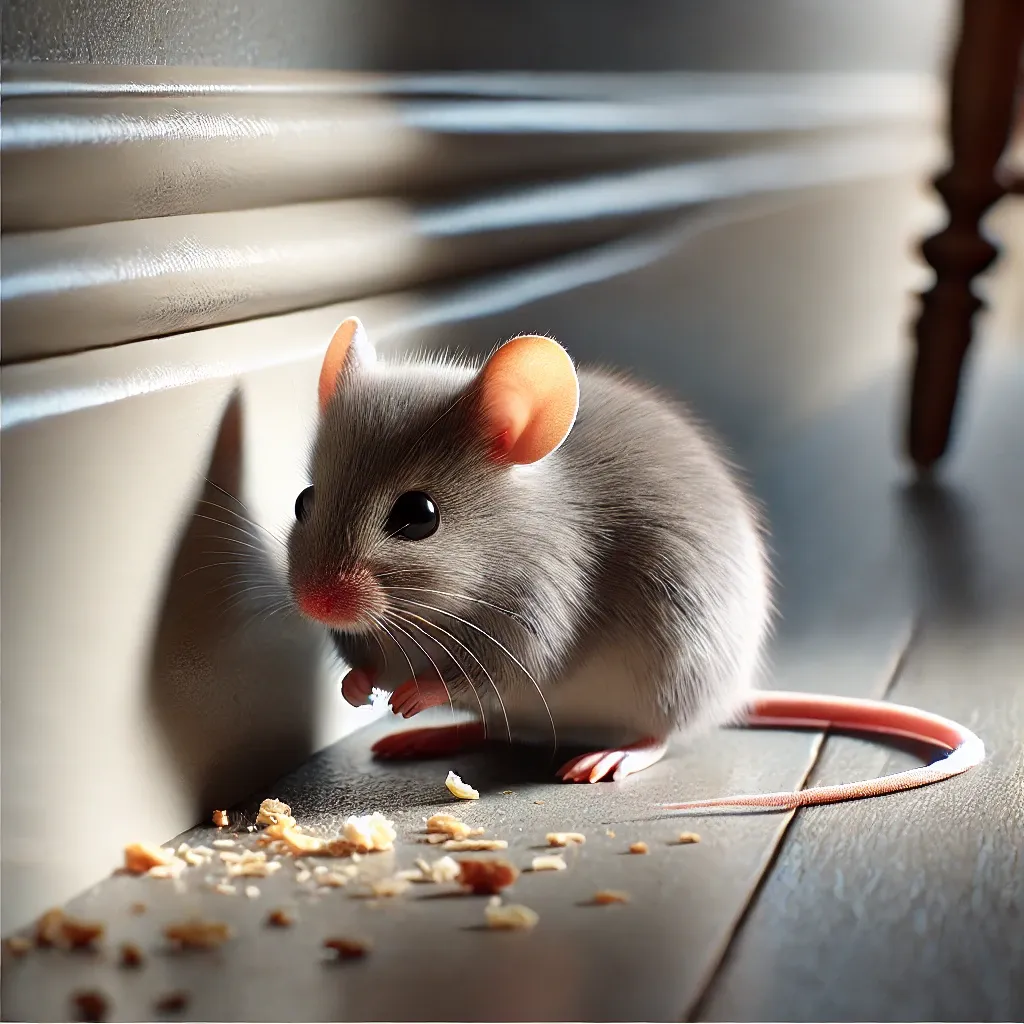
UF puts a roof rat’s range at 100 to 150 feet from its den to food and water, and documents that it jumps four feet sideways and nests in attics, palm frond skirts, and piles of debris. That radius is far smaller than most people picture, and knowing it changes where you look. The rat in your attic is not commuting from the restaurant row down on the bayou. It is living and feeding inside a circle about a block wide, which means the food and cover keeping it there are on your lot or your neighbor’s: the palm skirt nobody has trimmed, the fruit dropping into the yard, the debris pile that has been waiting three weeks. That is why rodent work here is exclusion first and always, paired with clearing the harborage inside that radius. One city habit helps if you use it: brush and yard debris go out roughly monthly on the city’s pickup, and a pile that actually leaves on schedule is one less nesting site UF says rats will happily use.
Every Era on Two Square Miles
Port Richey stacks its housing history tightly: canal homes with private docks off Harbor Isles, waterfront condos at Sand Pebble Pointe, mobile homes and high value waterfront houses sharing the same small grid. The city’s redevelopment agency even funds residential improvements, roofs, gutters, windows, and shutters among them, and a roof replacement is an exclusion opportunity that comes around once in decades: the day to close every roofline entry is while the ladder is already up. It is a city small enough to keep a Port Authority Board just for its waterways, and small enough that pest work can be specific to the block.
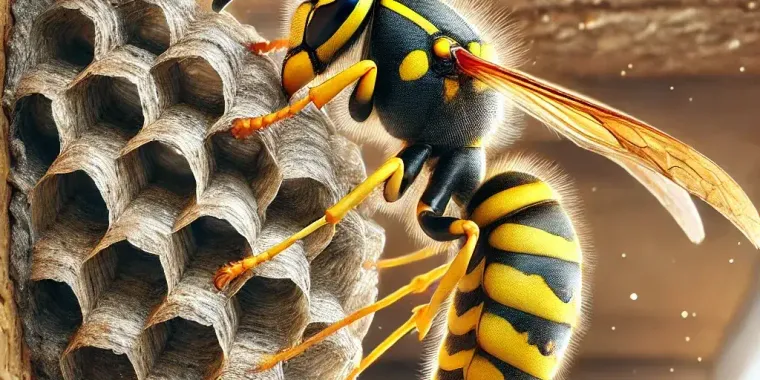
All that covered structure over calm water is also the reason paper wasps do so well here. Dock roofs, lanai ceilings, boat lift canopies, and soffits give them the sheltered anchor points they look for, and the mild winters mean the cycle never resets the way it does farther north. Mated queens ride out the cool months in bark crevices and gaps in siding, then start fresh combs the moment it warms. A queen building alone in spring has no workers to defend the nest, and the comb is about the size of a golf ball. By August the same spot can hold a colony at full strength. Walking your covered spaces once in early spring, dock included, is worth more than anything you can do in late summer, and if a nest is already active, leave it alone rather than testing whether it is occupied.
Aaron Richey named this place for a boat that needed a home port. It is still a town organized around its water, and keeping pests off your piece of it is work we know well. Liberty Pest Management, family owned in Odessa: 813-961-2627, or request a free quote online.
Neighborhoods We Serve in Port Richey
Don't see your neighborhood? If you're in or around Port Richey, we cover you: reach out or call 813-961-2627.
Port Richey Pest Control Questions
Our mosquitoes seem to arrive with the tide, not the rain. Are we imagining that?
You are not. The black salt marsh mosquito lays its eggs in bands of moist soil above the waterline, and the eggs wait dry until water reaches them, whether that water is rain, a wind tide, or a high lunar tide. At a river mouth beside open salt marsh, that means broods can arrive on the tide calendar in weeks when it barely rained. Treatment aims at where the arrivals rest, because the hatch schedule belongs to the Gulf.
We keep seeing rats near the waterfront. Whose problem is that?
Yours, mostly, and that is better news than it sounds. UF puts a roof rat's range at only 100 to 150 feet from den to food, so the rat in your attic is not commuting from the restaurant row. It is feeding within about a block, which means the food and cover holding it there sit on your lot or a neighbor's. Our side of the fix is your structure: sealing the roofline, clearing palm frond skirts and debris piles, and trapping what is already inside.
What does living next to the state park actually mean for pests?
Werner-Boyce protects four miles of coastline beside the city, salt marsh, tidal creeks, and grass flats included, and protected habitat is a permanent neighbor. The mosquito nursery next door is not going away, and the raccoons and wildlife that use the preserve edges will keep visiting. It is a fair trade for living beside that much wild coast, and it makes tight screens and a sealed roofline part of owning a home here, the same way trailer bearings are part of owning a boat.
Do you cover the county side of Port Richey or just the city?
Both, fully. The Port Richey mailing address reaches well beyond the two square mile city into unincorporated Pasco, and our coverage does not care where the line falls. City block or county subdivision, it is all Pasco, and we service all of it from our family office in Odessa.
Nearby Service Areas
Ready for a Pest Free Home in Port Richey?
The Liberty Pest family answers its own phone. Call 813-961-2627 or request a free quote. One family, one Odessa office, since 2007.