A Philadelphia publisher named F. A. Davis bought 12,800 acres of flat mid Pinellas ground around 1911, printed brochures aimed at northerners, and talked enough Pennsylvanians into moving south that the place incorporated on October 14, 1914. Early on it grew sugar cane. What Davis was selling was land, and the land had one problem no brochure could talk around: it was flat, it was low, and it flooded. The solution took decades and it was engineering, not luck. The Pinellas Park Water Management District cut a network of drainage canals through the city and greatly reduced the flooding that had defined the ground. That system is the reason 53,000 people live here comfortably today.
It is also the single most useful thing to understand about pest pressure in this city, and not for the reason you would expect.
The Water Did Not Leave. It Was Given a Route.
Drainage does not delete water. It moves it, and to move it you have to build somewhere for it to go. The canals that made this city livable are, viewed from a rat’s height, miles of permanent linear water with vegetated bank on both sides, threading between back fences through neighborhoods that share nothing else. That is not a flaw in the system. The system works, which is precisely why the water is permanent rather than occasional. But a corridor is a corridor regardless of who built it or why.
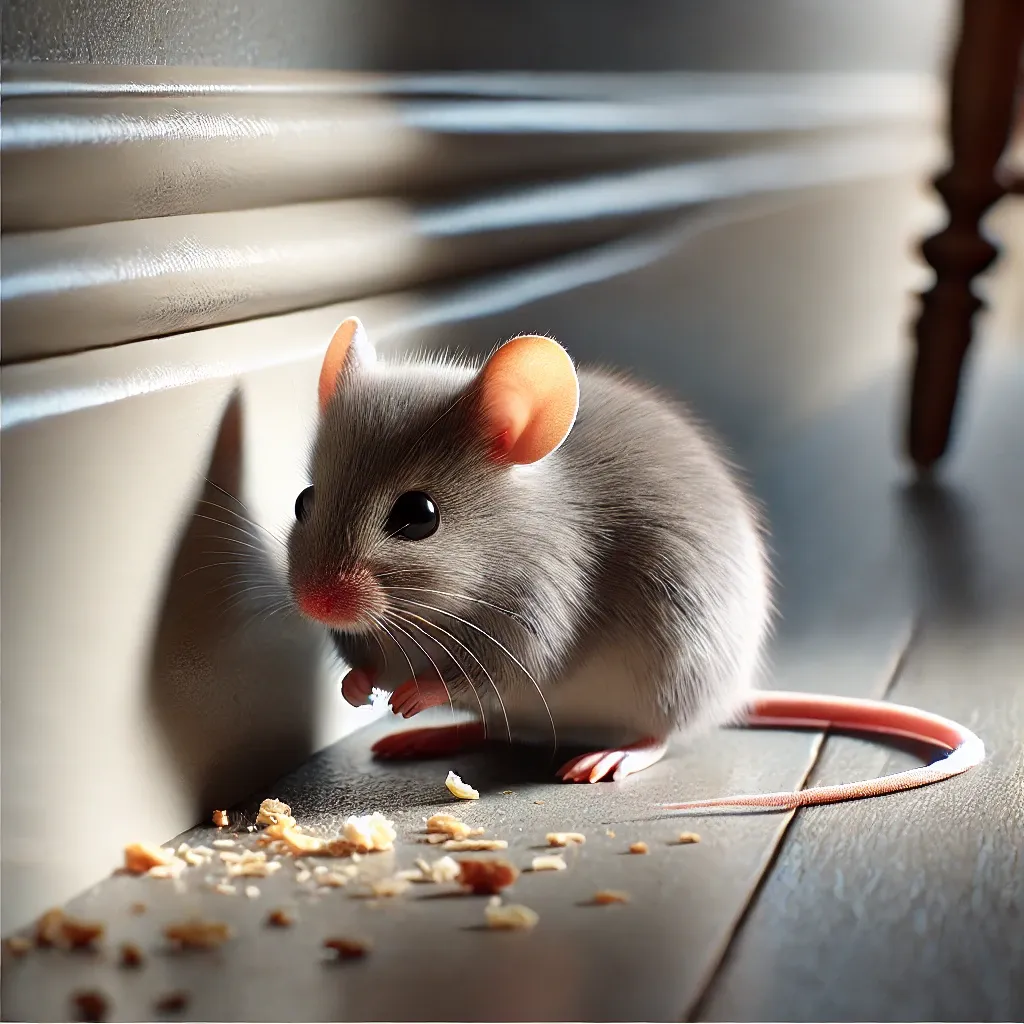
For rodents, the implication is direct. The roof rat earned its name overhead and it does live up to it, but this is also an animal that digs into canal banks, and a bank stacks three requirements in one place: dense cover that resists searching, water within a body length, and an unbroken travel lane. A rat working a drainage easement passes behind fifteen properties without stepping onto open lawn once. So on this ground the question worth asking is not only what the trees overhead are doing. It is what runs along the back of the lot. Our roof rat guide lays out what attic activity looks and sounds like, and on canal adjacent lots we inspect the bank side of the structure before anything else.
What the Canal Actually Contributes to Mosquito Season
This is where it pays to be precise rather than dramatic, so here is a point against our own interest. A maintained canal with water moving through it is a poor place to be a mosquito larva, because larvae need water that sits still. If the canal behind your house is flowing, it is not the nursery, and pointing at it would be the easy sale rather than the accurate one.
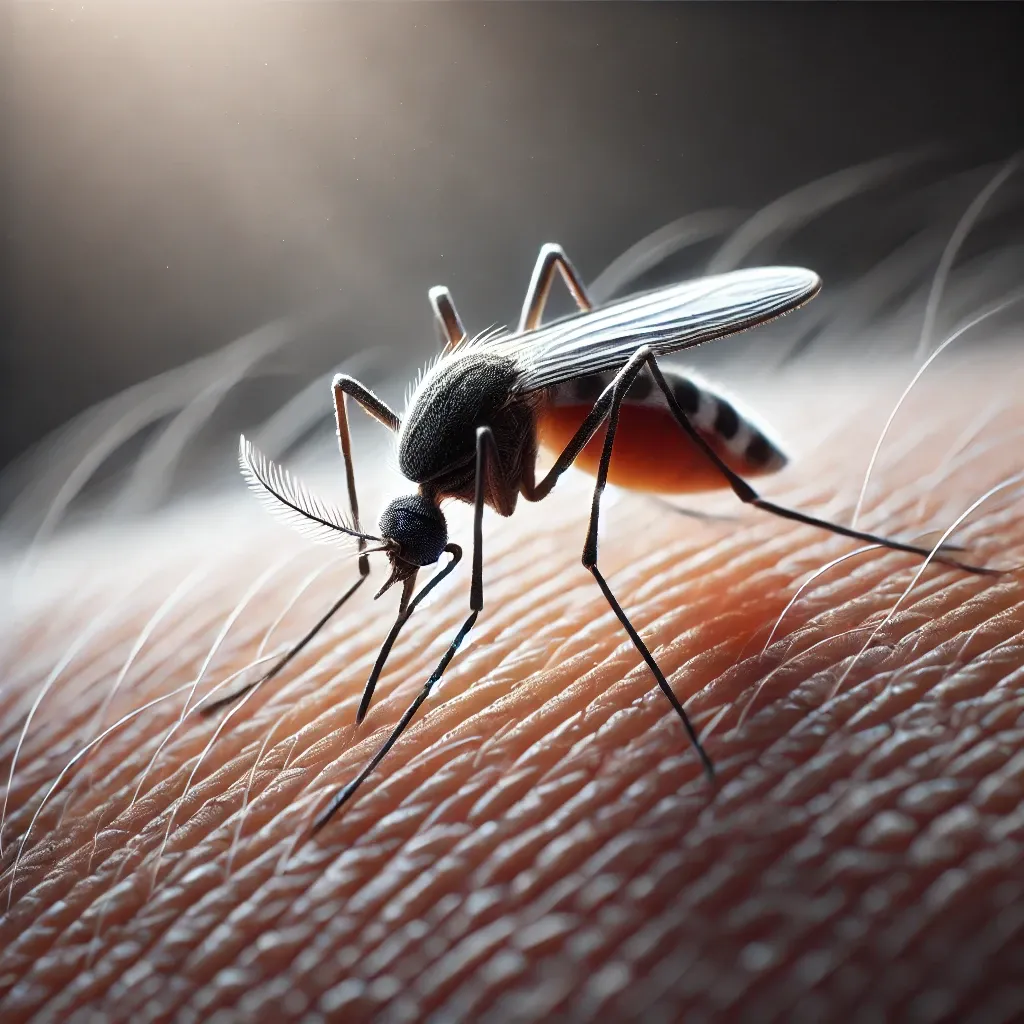
What the corridor does contribute is different and more subtle. First, the bank vegetation. Adult mosquitoes do not hover in the open through the middle of a Florida day. They wait in dense, shaded, humid foliage and come out to bite at the margins of the day, and a canal bank in July is exactly that kind of shelter, running the length of the block. Second, the low spots. A drainage system carries the volume off, but between the canal and your slab there is still ground, and on ground this flat that ground has no grade to work with. Water that would sheet off a sloped lot in Odessa in an hour sits in a Pinellas Park low corner for days. Third, an egg needs almost nothing. A bottle cap of standing water is a viable nursery, which means the real breeding sites on these lots are the wheelbarrow, the plant saucer, the sagging tarp, the clogged gutter, and the depression in the lawn that never quite dries.
So the treatment splits the same way. We treat the resting foliage where the adults actually spend the day, including the vegetation on the bank side of the yard, and we walk the property to find and clear what is holding water within reach of a hose. Both halves are necessary and neither substitutes for the other.
Flat Ground Changes What the Yard Can Do for Itself
Grade is a homeowner’s quietest ally, and Pinellas Park does not have much of it. On a lot with fall to it, a bad rain leaves and the problem leaves with it. On ground this level, an ordinary afternoon storm leaves behind a soft saturated ring around the slab, water standing in every shallow dip, and mulch beds that stay wet for a week.
Two problems follow. One is moisture pests indoors. Perpetually damp soil against a foundation raises humidity in the wall voids above it, and that is the condition silverfish and other moisture feeders are looking for. Our moisture guide covers what to fix and in what order.
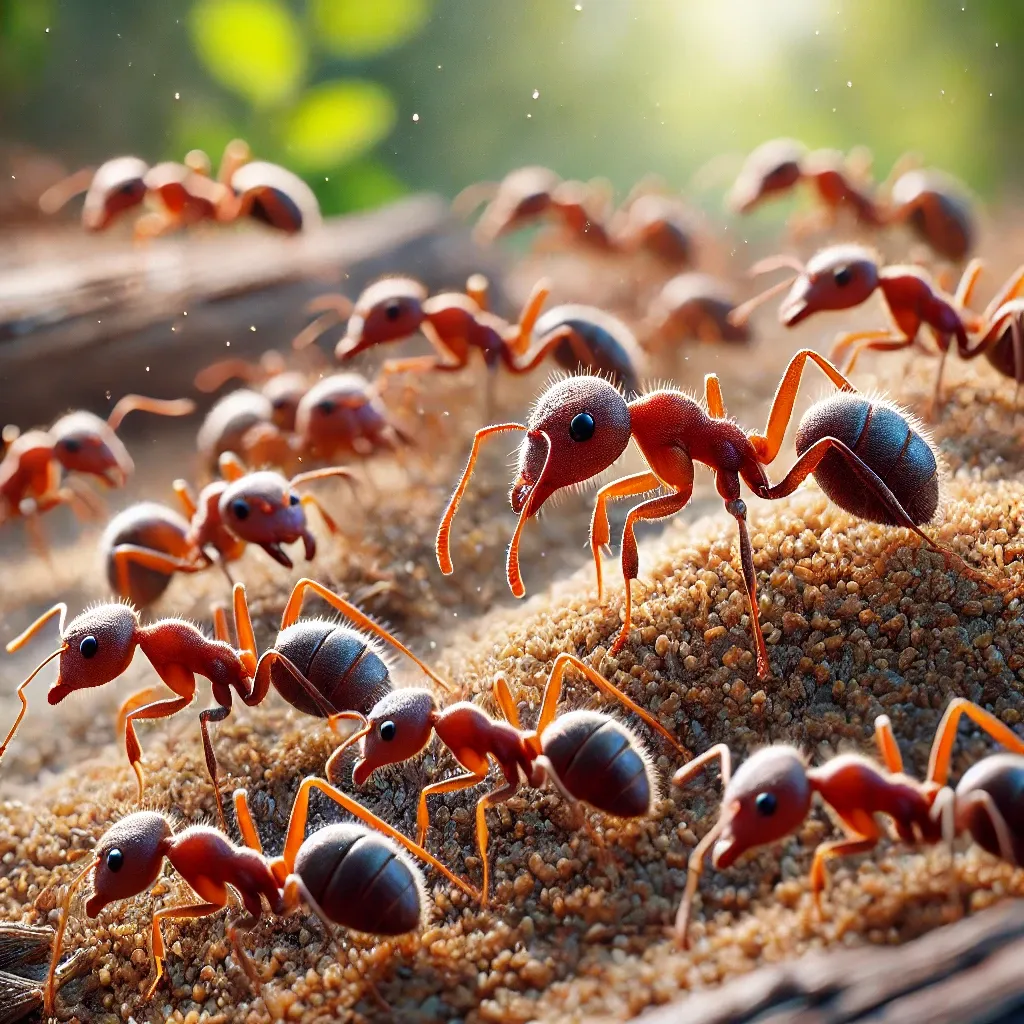
The other is what wet soil does to fire ants. A colony underwater has to get its queen and its brood above the water line or lose both, so the response to saturation is vertical: the nest gets pushed upward into a taller, looser mound within a couple of days. That timing is the tell. A lawn here does not gain mounds gradually across a season. It gains them in a cluster the week after a soaking, and homeowners reasonably read that as an invasion when it is mostly relocation. Treating ants on this ground starts from a fact that changes the whole approach: the visible hill is not the colony so much as its roof. Workers forage yards away from it, Florida populations frequently run several queens rather than one, and pouring boiling water or a hose down the mound tends to split it rather than end it, leaving you with three where you had one. Slow acting bait works because it exploits the foraging instead of fighting it. The workers carry it inward and downward, and it reaches the part of the colony that actually determines whether the mound comes back.
Industry on One Side of the Fence, Bedrooms on the Other
Pinellas Park is not a bedroom suburb that happens to have some shops. It is a working city with aerospace fabrication, optical manufacturing, marine businesses, and heavy retail along Park Boulevard, US 19, and Belcher Road, all of it stitched directly into residential blocks. That layout has a specific pest consequence people rarely connect.
A commercial building generates pest habitat a house does not. Large flat roofs pond water and collect debris. Loading docks give shelter, spilled product, and gaps at every dock seal. Dumpster corrals concentrate food waste on a schedule. None of that is anyone’s negligence. It is what those buildings are for. But the animals using it at two in the morning are not reading property lines, and a home whose back fence is a commercial lot line is fielding pressure a home four streets deeper into the neighborhood is not.
The practical answer is to treat that boundary as the working edge of the property. On those addresses we weight the inspection toward the fence side rather than spreading attention evenly around the house. Liberty also services businesses, which is the same problem approached from its origin: a cockroach population breeding in a shared dumpster corral has no opinion about which lease it belongs to, and treating only the homes it visits is chasing the animals instead of the source.
Post War Housing, Sixty Years On
The city’s population more than tripled after World War II, and the housing built to hold that boom is now roughly sixty to eighty years old. Those homes are not fragile. Block construction from that era holds up in this climate better than most of what replaced it. What ages is everything punched through it.
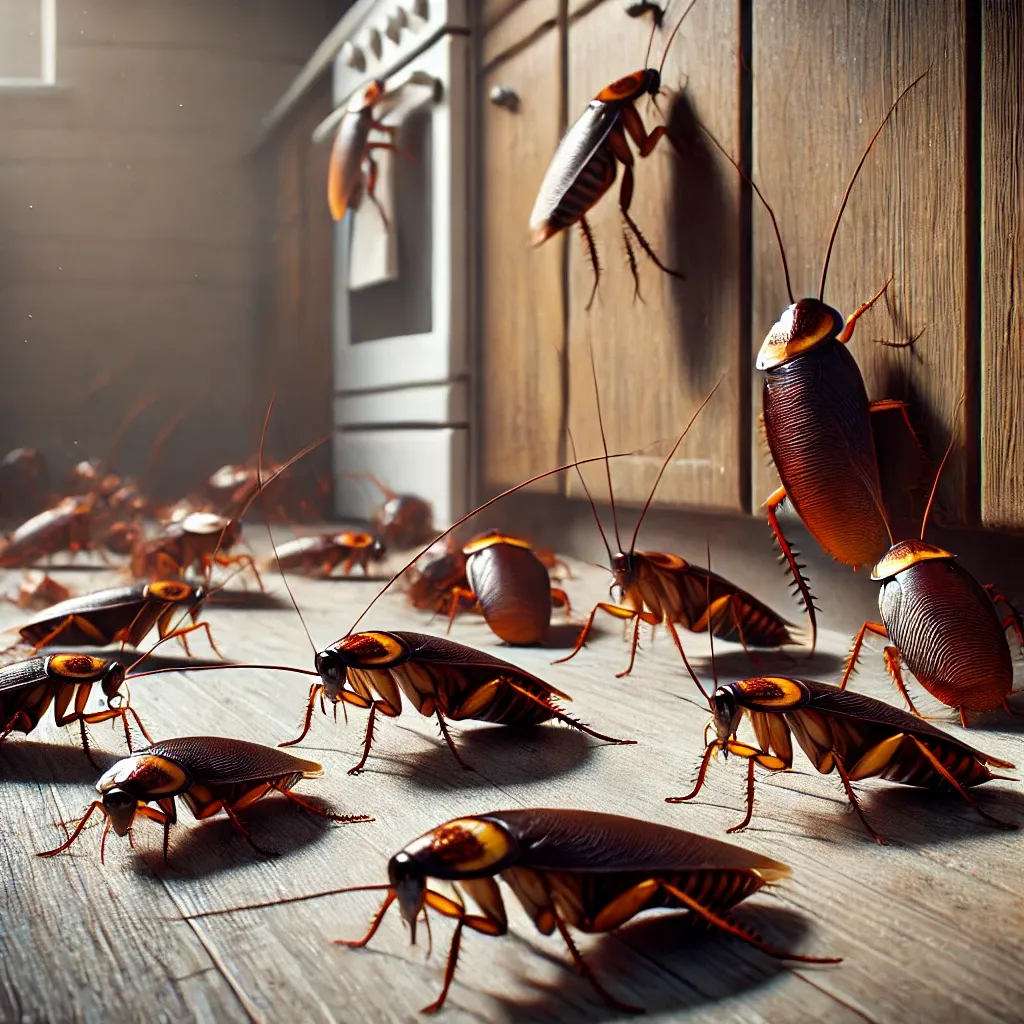
Count what has been run into a 1955 house since it was built: telephone, cable, internet, an air conditioning system that did not exist originally and its replacement, a water heater swap, a repiped bathroom, a dryer vent moved to a different wall, a new hose bib. Every one of those left a hole. Each hole is trivial. The accumulated set is an entry map, and it is the reason a well kept older home can have more pest entries than a neglected new one. Underneath, the drain lines are as old as the house itself. The American cockroach makes its living in sewer and stormwater infrastructure, and its way into a house is a plumbing joint that has loosened with age or a trap that has gone dry because nobody has run the guest bathroom since Christmas. A dry trap is not a seal. It is an open pipe with a room on one end and a sewer line on the other. Read that way, the roach on the tile floor at midnight did not come in through a door, and spraying it addresses one animal on a route that is still open. Our guide to palmetto bugs walks through why that gap matters. A cup of water down each rarely used drain once a month restores the seal for free, and we take the routes a habit cannot reach.
Freedom Lake and the Green Pockets
Freedom Lake Park, with its Korean War memorial, and the smaller parks around the Barbara S. Ponce Public Library give the city its open water and its shade. Permanent fresh water with planted margins does what permanent fresh water always does: it supports wildlife, it holds cover, and it shelters adult mosquitoes through the daylight hours well within flying range of the streets around it. That is the price of the amenity, and most residents would pay it again. What it argues for is exterior work over interior work. Homes ringing those pockets get more out of a treated perimeter and a tight roofline than out of anything done at the baseboards.
Pinellas Park is habitable because a system keeps running, not because the ground changed. The pest side of the ledger works on the same principle at the scale of one house: a perimeter holds because it is maintained, not because it was built once. Liberty Pest Management is family owned, licensed as JB-151032, and covers every address in this city out of the Odessa office. Ask for a free quote or call 813-961-2627, and say whether your lot backs a canal, a commercial parcel, or neither. That one answer sets most of the plan.
Areas We Cover in Pinellas Park
Don't see your neighborhood? If you're in or around Pinellas Park, we cover you: reach out or call 813-961-2627.
Pinellas Park Pest Control Questions
The canal behind our house is maintained and moving. Should we still worry about mosquitoes?
Not about the moving water so much as its edges. A canal that flows is a poor nursery, because mosquito larvae need water that sits. What the corridor does supply is vegetated bank, shaded and humid, which is where adult mosquitoes rest during the day between bites. So the canal is less a breeding ground than a waiting room, and the actual nurseries are usually within thirty feet of your back door: the saucer, the tarp fold, the gutter, the low corner of the lawn that has not dried since Tuesday.
We are nowhere near a park or a preserve. Why do we have rats?
Check the drainage easement instead. Climbing is what the roof rat is known for, but the animal will also dig into the bank of a canal, and this city's drainage system runs planted bank straight through residential blocks. That combination hands a rat shelter, drinking water, and a lane that reaches a dozen properties without a single trip across open grass. Getting from the bank into your attic is a separate step, and it happens at the roofline, which is where our exclusion work is aimed.
Our house backs up to a warehouse lot. Does that change anything?
It changes the supply. Pinellas Park mixes industry and retail into residential blocks more than most cities its size, and a large flat roof, a loading dock, and a dumpster corral are all pest habitat that does not stop at the property line. Rodents and roaches working a commercial lot at night are a short trip from the fence. We treat that boundary as the front line on those addresses and put more attention on the side of the house facing it.
We are on a 1950s block home. What ages worst?
The penetrations, not the walls. Sixty or seventy years of cable runs, AC line sets, replaced hose bibs, and retrofitted plumbing leave a house with dozens of small holes nobody added on purpose. Any one of them is nothing. Together they are an entry map a new build has not had time to accumulate. Sealing that map is unglamorous work and it does more for a Pinellas Park block home than any spray.
Do you actually cover Pinellas Park, or is it the edge of your map?
It is service area, plainly. Liberty services all of Hillsborough, Pasco, and Pinellas from the family office in Odessa, and Pinellas Park is the fourth largest city in the county. Free quotes, and the number you call is answered by the family that holds the license.
Nearby Service Areas
Ready for a Pest Free Home in Pinellas Park?
The Liberty Pest family answers its own phone. Call 813-961-2627 or request a free quote. One family, one Odessa office, since 2007.