The ants came back anyway.
Natural pest control in Florida runs into two problems. Humidity works against some home remedies, and “natural” tells you where an ingredient came from, not how risky it is around a cat or a toddler. What holds up here is fixing the moisture and the gaps first, then using registered products applied by their labels, starting outside the house.
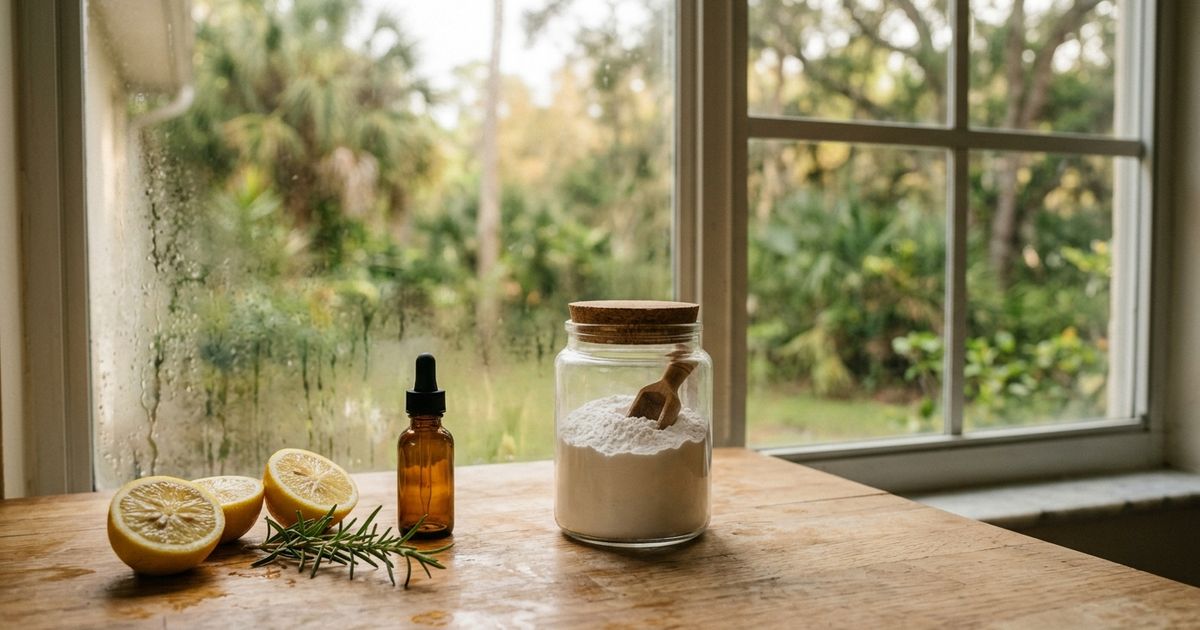
You wiped the counters with vinegar. You dusted diatomaceous earth behind the trash can and tucked peppermint oil cotton balls under the sink. Two weeks later the ants are still marching along the backsplash, and a palmetto bug just ran out from under the dishwasher. The effort was fine. The tools were wrong for a humid house, and a few of them carry risks the bottle never mentioned.
Key Takeaways
- UF/IFAS says diatomaceous earth must stay completely dry to work, which it calls very difficult in Florida’s humid climate.
- “Natural” describes where an ingredient came from. NPIC says that does not always mean less toxic, and the ASPCA says cats are especially sensitive to essential oils.
- EPA does not review the products sold under its “minimum risk” exemption.
- Cockroach droppings and body parts can trigger asthma, so a lingering infestation carries its own risk for children.
- Liberty Pest Management inspects first, treats the exterior first, treats inside only for an active problem, and uses EPA registered products chosen with children and pets in mind, applied by the label.
Natural Pest Control Meets Florida Humidity
Diatomaceous earth works by abrasion. UF/IFAS describes particles with sharp edges that scrape and absorb the oils and waxes an insect relies on to hold in water, so the insect dries out. The same UF/IFAS publication names the catch. The powder must remain completely dry to be effective, which is very difficult in Florida’s humid climate, and it is not practical for outdoor insects.
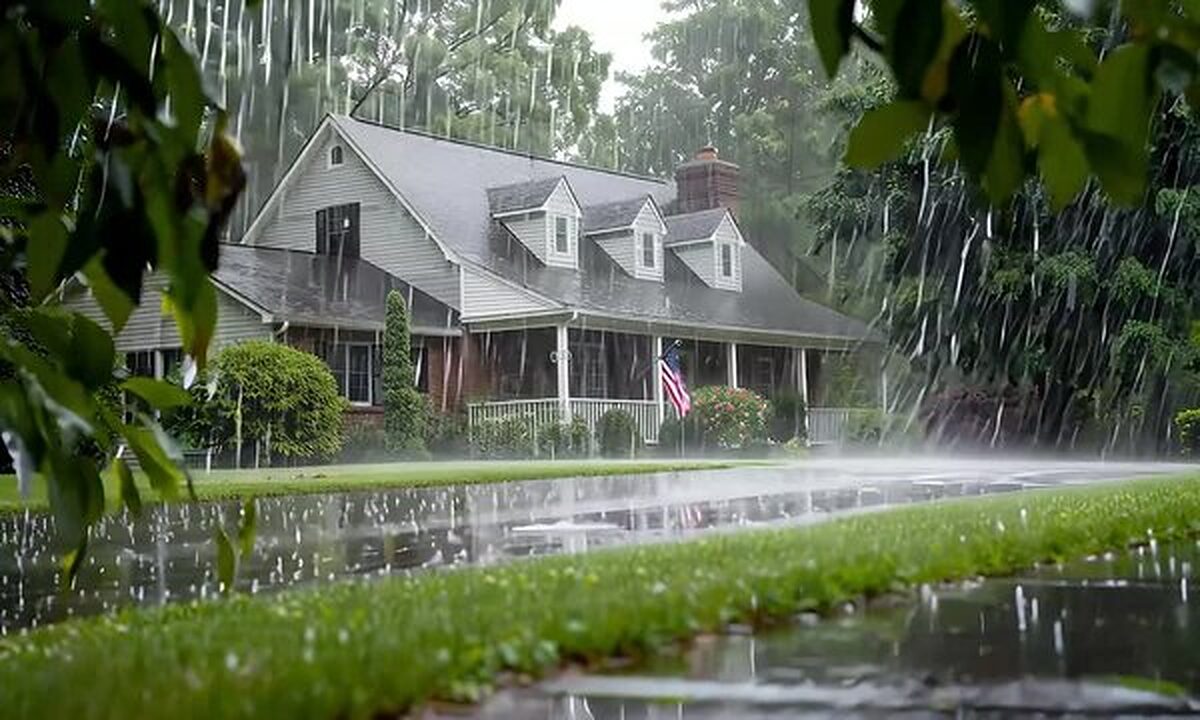
Now picture where that powder sits in a Tampa Bay house. Under the kitchen sink, beside a pipe that sweats all summer. Along the slab by the sliding door, where the four o’clock storm blows rain under the threshold. Behind the washing machine. Roaches need water (UF/IFAS lists it as one leg of the cockroach “survival triangle”), so they favor those same damp spots, and that is where a drying powder stops drying anything.
Two more cautions come with the bag. Pool filter grade diatomaceous earth, the kind sold for backyard pools, contains crystalline silica that UF/IFAS calls very dangerous to inhale, and it belongs in the pool filter and nowhere else. Food grade is purified, but NPIC notes that breathing it in can still irritate the nose. Dust along a baseboard sits at the height where babies crawl and dogs sniff.
Is Natural Pest Control Safer for Kids and Pets?
Not automatically. NPIC, the National Pesticide Information Center, explains that “natural” means a product’s ingredients are not man made, and that this does not always mean the product is less toxic or carries no risk. UF/IFAS goes further. All pesticides, natural or synthetic, carry inherent risks, and natural ones deserve the same caution as any other.
Essential oils show the problem best. UF/IFAS points to a lack of consistency among products and large natural variation in what the oils contain, so two bottles with the same name can behave differently. Pennyroyal oil is highly toxic when swallowed. The ASPCA says cats are especially sensitive to essential oils. Swallowing enough can damage the liver, and inhaling the oils can lead to aspiration pneumonia. Its advice is to keep essential oils out of areas pets can reach unless the pet is supervised or your veterinarian approves. Those cotton balls under the sink sit at exactly cat height.
Vinegar and dish soap fare no better on the evidence. NPIC describes acetic acid, the acid in vinegar, as a weed killer that can irritate the eyes and skin, and the only insect use it mentions is as a low concentration lure. UF/IFAS says dish soaps are synthetic detergents, neither designed nor labeled for pest control, and it does not recommend them. A soap spray also has to hit the insect directly to work, so it does nothing to the roaches still behind the cabinet. Our post on the risks of do it yourself pest control covers where other home fixes go wrong.
So the answer to the question depends on the ingredient, how much of it is used, and where it lands. A “natural” label settles none of the three. That is why Liberty Pest Management chooses products with children and pets in mind and applies each one according to its label.
Minimum Risk Products Skip Federal Review
Some natural sprays on store shelves are sold under EPA’s “minimum risk” exemption. EPA exempted that category from federal registration because it judged the listed ingredients pose little to no risk. It also states plainly that it does not review the individual exempted products. No federal reviewer looked at whether a given bottle kills roaches in a Carrollwood kitchen.
A registered product works differently. EPA calls the label the law, and using a product in a way inconsistent with its labeling violates federal law. The homemade mix in a recycled spray bottle has no label at all, so nobody, including you, knows the right amount or where it should never go.
Meanwhile, the Roaches Keep Working
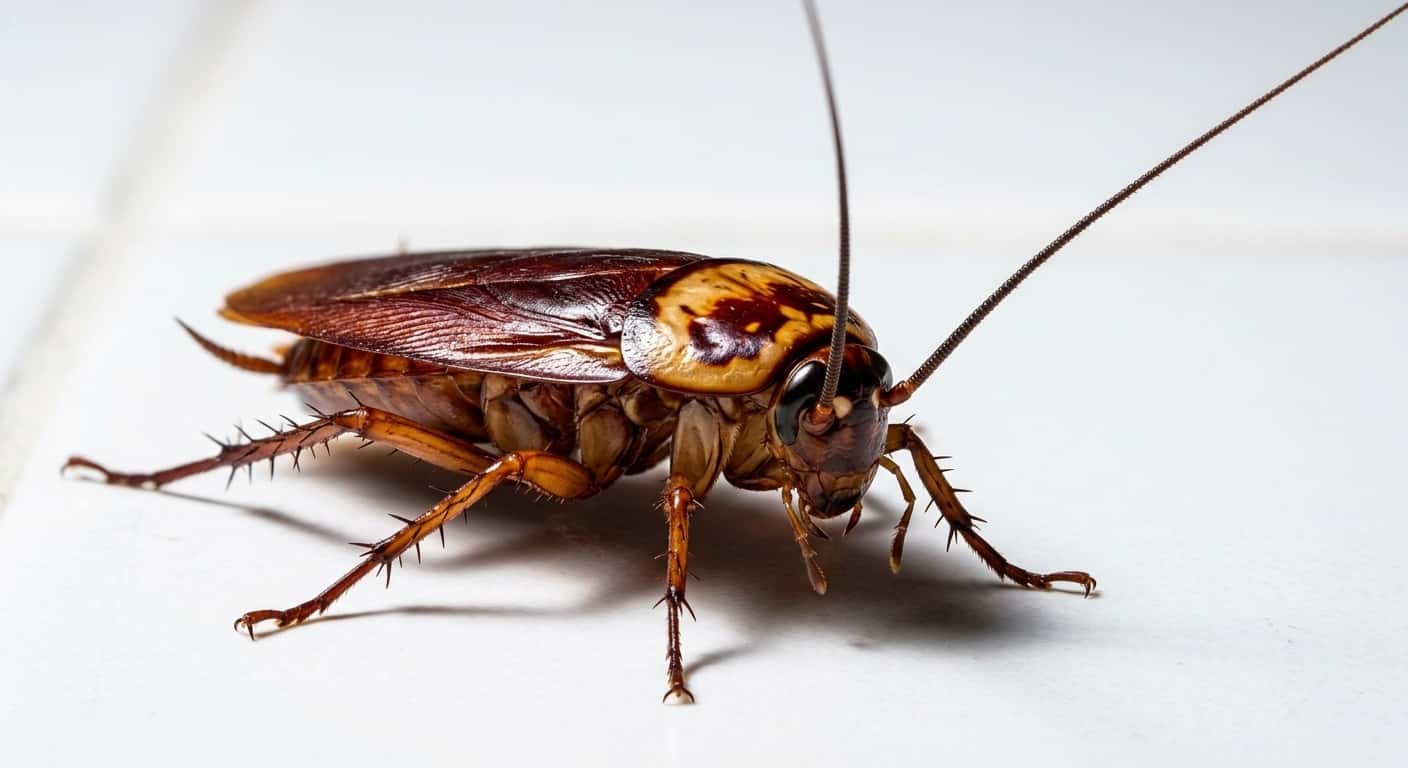
While a remedy fails, the pests keep their own risks. UF/IFAS notes that cockroach skins and feces cause cockroach allergies, and EPA lists cockroach droppings and body parts among asthma triggers. For a family with a child who wheezes at night, the roach under the dishwasher is a health question before it is a nuisance. If the roaches in your kitchen are the small ones, our guide to German cockroaches in Florida kitchens will help you tell what you have.
Children can carry the problem in, too. UF/IFAS notes that kids can bring cockroaches home from school in book bags and lunch containers.
Worry about treatment is still reasonable. The same EPA asthma page says insecticides can harm people as well as pests, and it recommends pest management methods that pose less of a risk. Both worries point the same direction, toward fewer pests and less product in the rooms where your family lives.
What UF/IFAS Recommends Instead
UF/IFAS cockroach guidance for Florida homes starts before any product. Its first level of control is prevention, through inspection, monitoring, and sanitation. It calls removing food, water, and harborage key to control, and it says chemical use alone is the least effective method.
Moisture earns special attention in this climate. Silverfish turn up where humidity is high and airflow is low, according to UF/IFAS, which is why a closed bathroom after a July shower suits them. Our posts on moisture and pest problems and silverfish in humid Florida homes trace the water back to its source, and silverfish control picks up where drying out the room stops.
When product is needed, the Florida Friendly Landscaping program at UF/IFAS sets the goal of managing pests with as few chemicals as possible. Spot treat instead of blanket spraying. EPA’s integrated pest management guidance makes the same choice, with effective, less risky controls chosen first.
Put together, the criteria are short. Someone looks before anything is applied. The leak and the gap get fixed. Product goes to specific places, used exactly as its label directs, and the family hears what to do while it dries. Our earlier look at integrated pest management walks through that method in more detail.
A Family Friendly Plan, From the Outside In
Liberty Pest Management offers environmentally friendly pest control across Tampa Bay in a specific form, products chosen with children and pets in mind, applied according to their labels, with the exterior treated first.
If you reached for vinegar because you did not want to spray the whole house, that instinct was sound. Our approach starts outside and treats inside only when there is an active pest problem.
Every service starts with an inspection, and the plan is personalized to your home. The remedies you tried were guesses about where the pests come from. An inspection replaces the guess with an answer, whether that turns out to be the gap under the slider or the sweating pipe beneath the sink.
The products are where a Liberty plan parts ways with the dropper bottle. Everything we apply is EPA registered, chosen with your kids and pets in mind, and used the way its label directs, the document EPA calls the law. A known product, applied by a company licensed by the state of Florida, replaces a homemade mix nobody can measure.
Then comes the order of work. We treat the outside of your home first to keep pests from getting inside, so for a household with a toddler on the tile and a dog on the couch, the first line of work happens beyond the walls they live within. Interior treatment is saved for an active pest problem. Afterward, your technician will tell you if a treated area needs time to dry before kids or pets use it, and our guide to when kids and pets can go back in after treatment explains why the product label sets that timing.
That is also the answer we give on our FAQ page when parents ask about children and pets. Plans cover ant control, cockroach control, rodents, spiders, mosquitoes, and other Florida pests. If a cat or a dog shares the house, our post on pet friendly pest control goes further, and pet and family friendly mosquito control covers the yard.
Four Free Fixes for a Humid House
None of these needs a product, and UF/IFAS recommends every one of them.
- Fix the drips. Repair plumbing leaks, especially in kitchens and bathrooms. Do not leave water standing in the sink, do not overwater indoor plants, and empty the pan under the refrigerator that catches condensation.
- Seal the food. Reseal food after opening and keep it in a tightly sealed container or in the refrigerator. The bag of kibble on the laundry room floor counts as food.
- Caulk the gaps. Seal cracks around door and window frames, and along the edges of sinks, cabinets, and light fixtures.
- Vacuum often. Vacuuming removes the cockroach skins and feces that cause allergies, which is a direct gain for anyone in the house with allergies or asthma.
These steps shrink the food, water, and shelter a pest needs, so whatever treatment follows has less to do.
Liberty Pest Management is family owned, based in Odessa, and has served Hillsborough, Pasco, and Pinellas counties since 2007 under Florida license JB-151032. If the vinegar and the oils have run their course, ask us for a free quote, and we will start by inspecting where the ants and roaches are getting in.
Liberty Pest Management serves the Tampa Bay area including Pasco, Hillsborough, and Pinellas counties, from Odessa and Land O’ Lakes to Tampa, Brandon, and Clearwater. Licensed by the Florida Department of Agriculture (JB-151032). Call us at 813-961-2627 or get a free quote today.