The dog is scratching again.
Maybe it is fleas, or ants trailing to the cat’s bowl, or a roach under the aquarium stand, and the animals are the reason you have not called anyone yet. Pet friendly pest control goes after the pests that hurt your pets, with products chosen with the animals in mind and applied by the label. That is how Liberty Pest Management works.
Key Takeaways
- Pests hurt pets first. UF/IFAS says fleas and ticks cause itching and skin irritation and transmit tapeworms, and fire ants sting pets as well as people.
- Pets meet a treatment with their paws, fur, and mouths. NPIC warns that residues can remain on treated surfaces after they dry.
- Species differ. Cats break down permethrin slowly, pyrethroids are highly toxic to fish, and the ASPCA says cats are especially sensitive to essential oils.
- Liberty chooses products with pets in mind and applies EPA registered products by the label. It treats the exterior first and goes inside only for an active pest problem.
- Before a visit, pick up bowls, toys, and bedding, and cover or move the aquarium with the air pump off.
Your Pets Are Already Paying for the Pests
Putting off a call feels like the careful choice. For the animals, it often is not.
UF/IFAS puts it plainly in its guide to pets and pesticides. Blood feeding pests like fleas and ticks can harm an animal’s health and quality of life. They cause itching and skin irritation, they transmit tapeworms, and some pets have allergic reactions to flea bites. A dog that chews at the base of its tail every evening is living with that right now. If you have treated the pet and the fleas came back anyway, our post on why fleas return two weeks after treatment explains the cocoon stage behind it, and flea control covers the house and yard side.
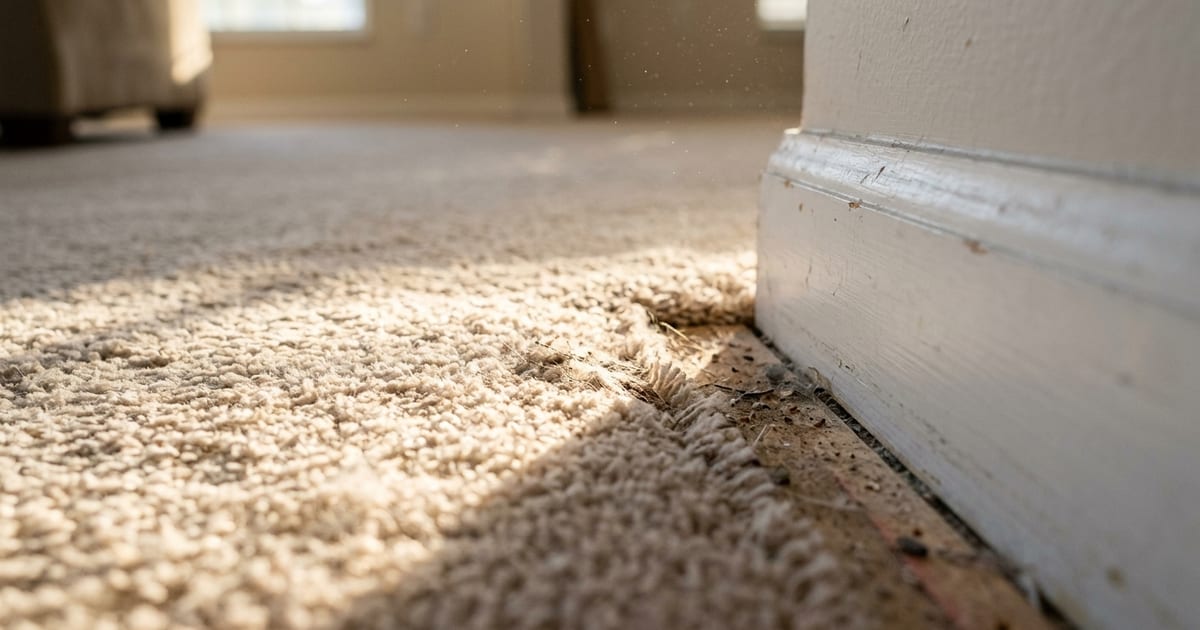
Ticks bring a disease risk of their own. The brown dog tick carries canine ehrlichiosis and canine babesiosis, according to UF/IFAS, and dogs are its primary host in the United States at every life stage. It is also unusual among ticks because it can finish its whole life cycle indoors. A few riding in on the dog after a walk along a wooded lot line can turn into ticks in the baseboards. Our Florida tick guide sorts out the species, and tick control handles the yard and the house.
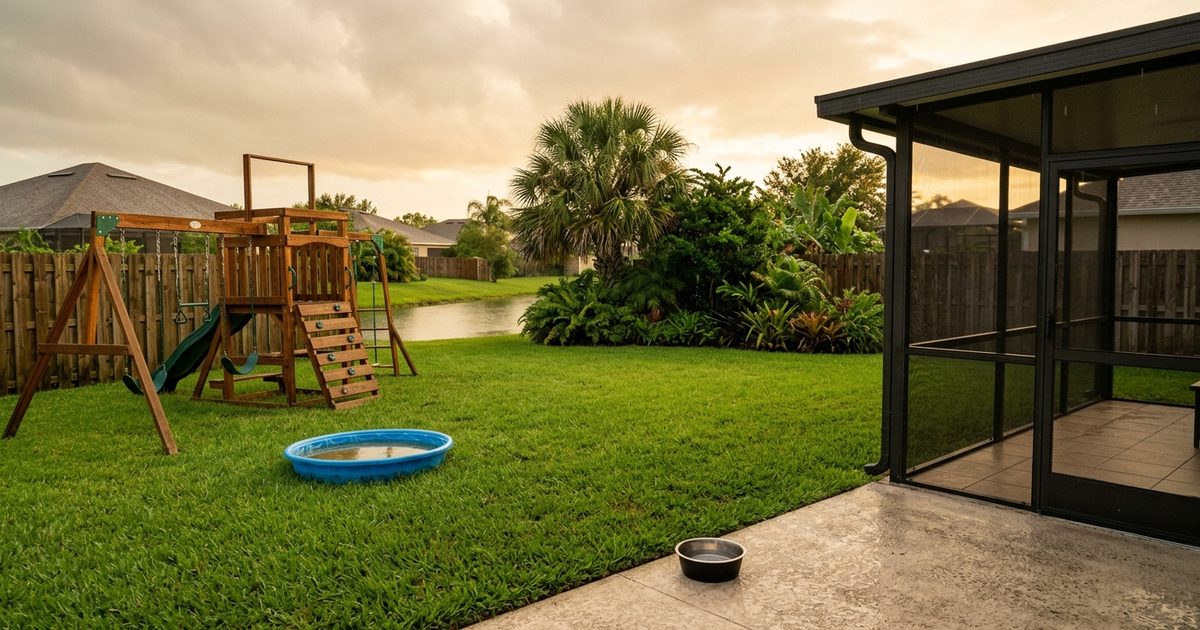
Then there is the yard. UF/IFAS notes that fire ants sting pets as well as people, and that when a nest is disturbed, many ants rush out to attack the intruder. A curious dog is an intruder. So is a cat that picks the wrong patch of sod for a nap. Our post on fire ants in a Florida yard shows how to spot a mound before your dog does, and ant control deals with the colonies you find.
Indoors, pet food is part of the draw. A bowl of kibble left down overnight feeds ants and roaches as well as the cat. UF/IFAS names food, water, and shelter as what German cockroaches need to thrive, and a feeding station by the back door supplies two of the three. Cockroach control starts with finding where they are coming from.
Why Pets Meet Treatments Up Close
The worry about treatment is reasonable, and the reason is how animals live.
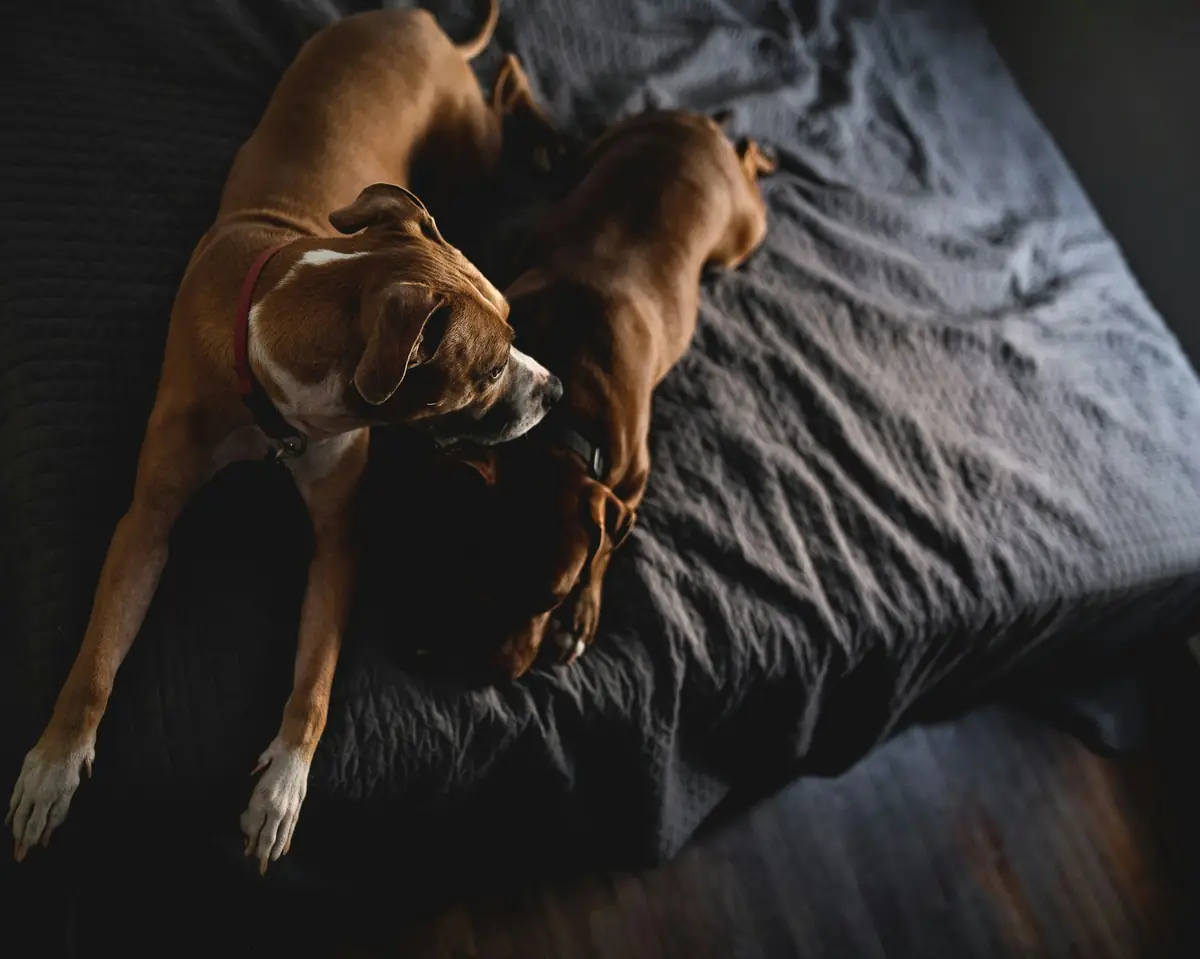
A Lab spends the afternoon flat on the cool tile of the lanai. A cat grooms its own fur clean and sleeps in the gap under the guest bed. Both put their noses on everything.
The National Pesticide Information Center (NPIC) builds its pet advice around those habits. It tells owners to keep pets from licking or chewing anything treated with a pesticide, and it warns that residues can remain on treated surfaces after they dry. It also mentions granules getting caught in fur and residues tracked into the house on paws. UF/IFAS adds that pesticides can be absorbed through an animal’s eyes, nose, and mouth, and that residue on toys or plants can affect pets.
None of that says treatment is off the table. It says where the product goes decides how much of it your pets ever meet.
A Cat Is Not a Small Dog, and Fish Live in the Water
Species change the math.
Cats are more sensitive to permethrin than dogs or people, NPIC says, because their bodies take a long time to break it down. Permethrin belongs to the pyrethroid family, which turns up in flea collars and in spot on treatments for dogs. When the EPA studied spot on flea products, it found that cats can be harmed by dog products and that label warnings against using dog products on cats were not working well enough. One registered 45 percent permethrin spot on for dogs says it in capital letters, “DO NOT USE ON CATS,” and warns that a cat grooming a recently treated dog can be harmed too. The cat never touched the box. It groomed the dog it sleeps next to.
Fish have no way to step out of the room. NPIC rates permethrin highly toxic to fish in both fresh and salt water, rates bifenthrin highly toxic to fish, and rates pyrethrins highly to very highly toxic to fish. A planted tank in the living room or a koi pond off the lanai holds exactly the animals those ratings describe.
Natural products do not get a pass either. Pyrethrins come from chrysanthemum flowers, and UF/IFAS says cats are highly susceptible to pyrethrin poisoning. The ASPCA says cats are especially sensitive to essential oils and advises against using them anywhere pets have access unless the pets are supervised or a veterinarian has approved the oil. NPIC sums it up. Natural means the ingredients are not man made, which does not always mean a product is less toxic or carries no risk.
Is Pest Control Safe With Pets in the House?
No company can give you a flat yes and mean it. The answer depends on the product, where it goes, and whether its label is followed.
NPIC goes further. It says no pesticide is entirely safe and encourages professionals to talk about the level of risk, which comes from a product’s toxicity and how much exposure an animal gets. A pet owner cannot change toxicity. The company you hire controls the rest, where the product goes and whether its label is followed.
That is the reason Liberty chooses products with pets in mind and treats the way it does.
Pet Friendly Pest Control Starts With the Plan
A pet friendly plan settles which products to use and where they go, and it tells you plainly if a treated area needs time to dry.
The products are picked with the animals in the house in mind. A home with two indoor cats and a reef tank is a different job from one with a single yard dog. Every product is registered with the EPA and applied by its label, and the label carries real weight. The EPA calls the label the law, and NPIC notes that it may contain more specific instructions for pets.
Work starts outside. The point is to stop pests at the foundation, before they reach the rooms where your animals eat and sleep. Inside, treatment happens only when there is an active problem, so the floors the dog lies on are left alone when nothing is living there.
Somebody tells you if a treated area needs time to dry before the cat goes back on the windowsill. You should not have to guess.
And the plan starts with what is in your house. A plan that knows about the aquarium, the bird by the window, and the cat that hides under the bed can work around them.
How Liberty Plans Around Your Dog, Cat, and Fish
Liberty Pest Management is family owned, based in Odessa, and has served Tampa Bay homes across Hillsborough, Pasco, and Pinellas since 2007. Every service begins with an inspection, and the plan is personalized to your home. Tell us about the beagle, the two indoor cats, and the reef tank by the window, because the products are chosen with pets in mind before anything is applied.
The work starts outside. Treating the exterior first is meant to keep pests from getting inside, well away from the dog bed and the aquarium stand. Inside, we treat only when there is an active pest problem, so a house with nothing living in it indoors does not get an indoor treatment, and the tile your Lab sleeps on is left alone. Where a home has in-wall pest tubing, treatment travels inside the wall voids rather than across the rooms your cat patrols.
Every product we apply is EPA registered and applied according to its label, including the directions written for pets. That order, outside first, inside only when needed, and every product by its label, is what we mean by environmentally friendly treatments. Florida licenses us under JB-151032.
When the visit is done, your technician tells you if a treated area needs time to dry before the animals use it, for your house specifically. Our pest control FAQ answers the children and pets question directly. Mosquitoes are a yard job, and our post on mosquito control around pets and kids covers that side.
Getting the House Ready for the Animals
A few steps on your end lower exposure further, and none of them cost anything.
Pick up food bowls, water bowls, toys, chew bones, and bedding from the areas being treated, as NPIC advises. Move the litter box out of the area too. The EPA says to remove household pets from the treatment area.
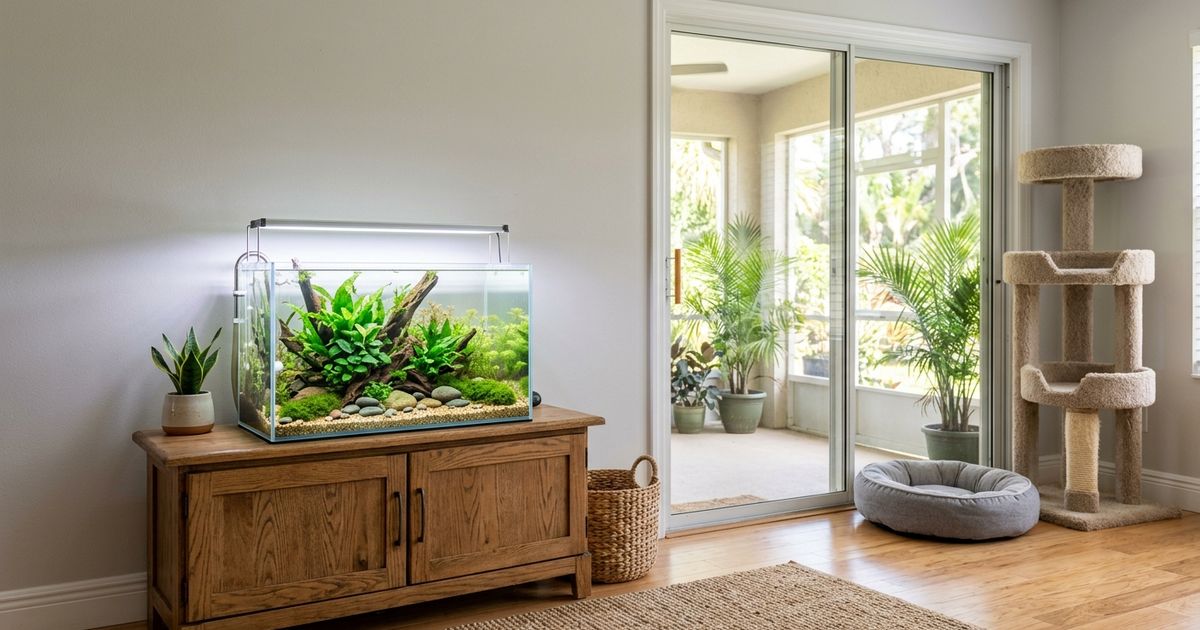
For the tank, the EPA’s advice is specific. Move the aquarium out of the treatment area or cover it with heavy plastic, and turn off the air pump. NPIC explains the cover keeps liquid and vapors from getting into the water. Ask when the cover can come off and the pump can go back on.
Afterward, keep pets off treated areas until they are completely dry, which is the general rule from both the EPA and NPIC. Our guide to when kids and pets can go back in after pest control explains how the label sets that timing, and our pest control tips for pet owners covers food storage and the rest of treatment day.
The flea or tick product on the animal itself is a question for your veterinarian, who can help you pick the right one for each pet. If you think a pet got into something, call your veterinarian or an animal poison control line right away, with the product label in hand.
If fleas or ants are bothering your pets and you want a plan built around them, ask us for a free quote. Tell us about the dog, the cat, and the tank, and we will build a plan personalized to your home.
Liberty Pest Management serves the Tampa Bay area including Pasco, Hillsborough, and Pinellas counties, from Odessa and Land O’ Lakes to Tampa, Brandon, and Clearwater. Licensed by the Florida Department of Agriculture (JB-151032). Call us at 813-961-2627 or get a free quote today.