Pet households fight pests on two fronts. Fleas, ticks, fire ants, and mosquitoes target your dog or cat directly, while pet food, water, and bedding can pull roaches, rodents, and ants into the house. Then there’s the question every pet owner asks before a service visit: how do I keep my animals safe while the house gets treated?
This guide covers all three: the pests that go after pets, the pet supplies that attract pests, and exactly what to do on treatment day.
Key Takeaways
- Tampa Bay’s heat and humidity keep fleas active every month of the year, so flea prevention has no off season here
- Brown dog ticks can complete their entire life cycle indoors, and lone star ticks carry the bacteria that cause ehrlichiosis
- Heartworm spreads only through mosquito bites, and the American Heartworm Society recommends prevention twelve months a year
- Pet food and water bowls are among the most common pest attractants inside Tampa Bay homes
- On treatment day: pick up bowls and toys, cover aquariums, and keep pets off treated areas until everything is dry
Which Florida Pests Actually Target Your Pets?
Four stand out in Tampa Bay, and each one reaches your pet a different way.
| Pest | Risk to your pet | Prevention that works |
|---|---|---|
| Fleas | Flea allergy dermatitis, tapeworms (swallowed while grooming), anemia in heavily infested puppies and kittens | Year round prevention from your veterinarian, frequent vacuuming, hot water bedding washes |
| Ticks | Ehrlichiosis, Rocky Mountain spotted fever, tick paralysis | Daily tick checks after outdoor time, short grass, cleared brush |
| Fire ants | Dozens of stings in seconds, usually on the paws, muzzle, and belly | Scan the yard for new mounds after rain, before letting dogs out |
| Mosquitoes | Heartworm disease in both dogs and cats | Year round preventative from your vet, dump standing water weekly |
Your veterinarian handles the on-pet side of prevention. Pest control handles the environment side: the yard, the carpet, and the cracks where these pests live and reproduce. Both matter, because each of these pests spends most of its life off your animal.
Why Don’t Fleas Ever Take a Season Off in Tampa Bay?
In colder states, winter knocks flea populations back for a few months. Tampa Bay never gives them that break. Warmth and humidity keep fleas developing all twelve months, which is why “flea season” in Florida is simply the calendar year.
Here’s the part most pet owners miss: the adult fleas on your pet are a small fraction of the real population. Most of it exists as eggs, larvae, and pupae in the environment. Eggs fall off your pet wherever it rests, turning the carpet, couch, dog bed, car seat, and shady yard spots into nurseries. Treat only the animal and the environment keeps reinfesting it.
What actually works:
- Vacuum the areas where your pet rests several times a week. Vacuuming removes eggs and larvae and stimulates pupae to hatch instead of waiting out treatments inside their cocoons.
- Wash pet bedding in hot water weekly, including blankets on furniture your pet uses.
- Keep your pet on prevention every month of the year. Your veterinarian can recommend what’s appropriate.
- Treat the environment when fleas persist. If your pet is on prevention and you’re still seeing fleas, the home or yard is reinfesting them. That’s when professional flea treatment makes sense.
Which Ticks Should Tampa Bay Pet Owners Worry About?
Three species account for most of what turns up on Florida dogs.
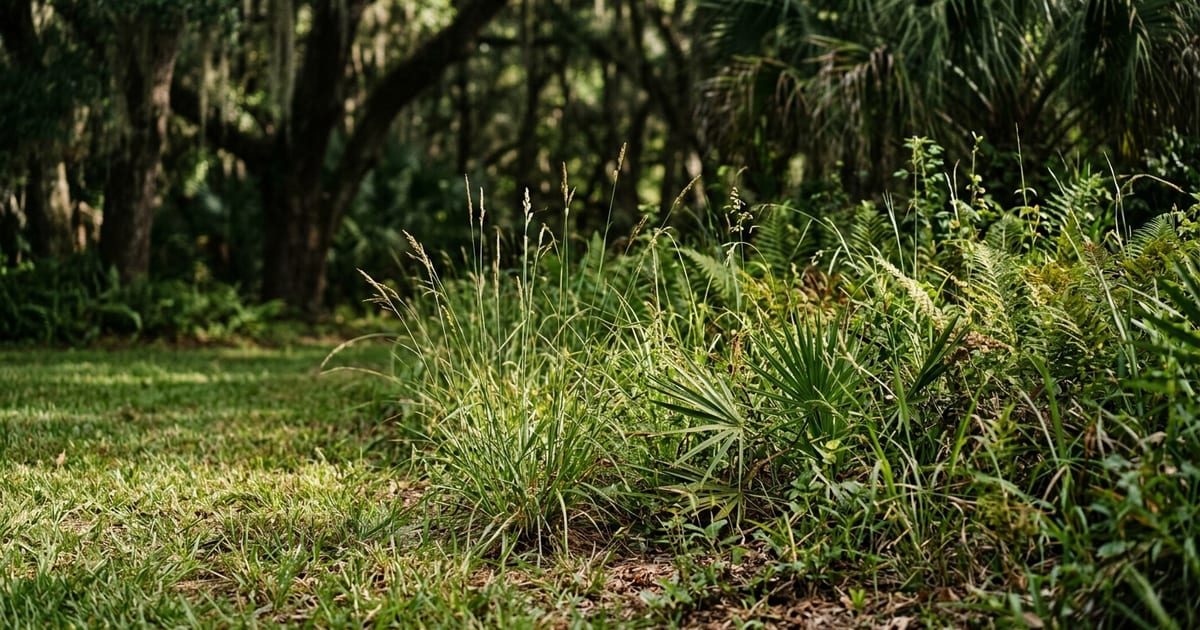
Lone star ticks are aggressive biters found in wooded and brushy areas, the terrain dogs love on trail walks and along overgrown lot lines. The CDC identifies the lone star tick as the primary carrier of the bacteria that cause ehrlichiosis, which affects both dogs and people.
American dog ticks favor grassy, open areas and are a known carrier of Rocky Mountain spotted fever. They can also cause tick paralysis in dogs, a temporary paralysis that typically reverses once the tick is found and removed. One more reason daily checks matter.
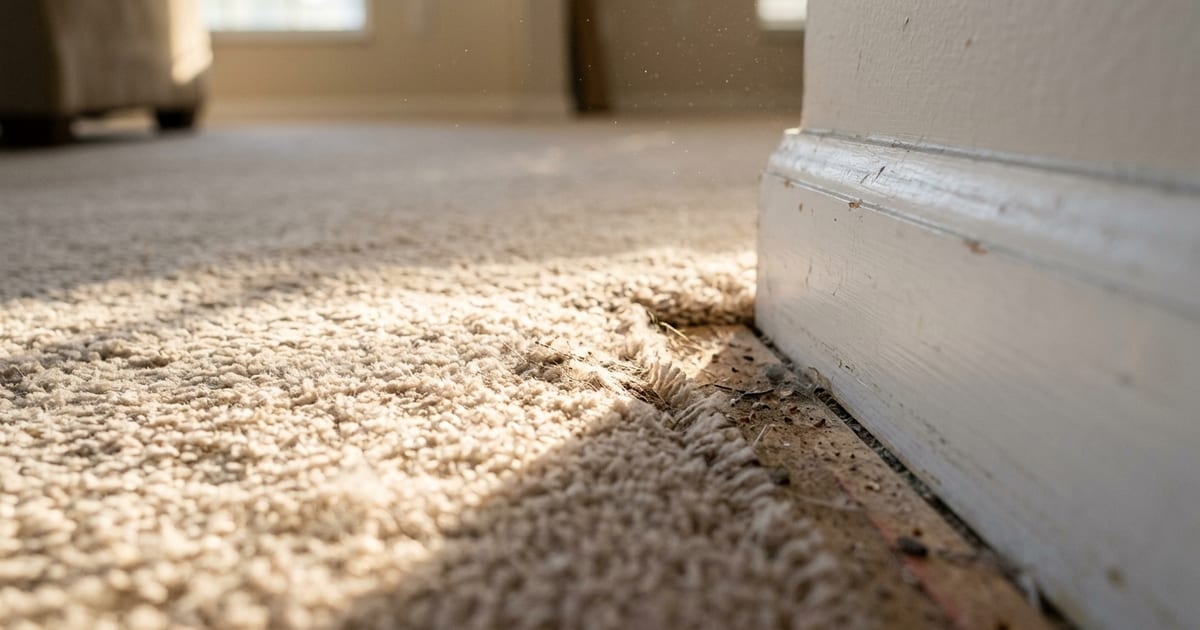
Brown dog ticks are the species that turns into a household problem. Unlike most ticks, the brown dog tick can complete its entire life cycle indoors, so a few ticks riding in on a dog can become an established infestation in baseboard cracks, wall voids, and kennel areas. It also transmits canine ehrlichiosis. Finding ticks crawling on walls or furniture rather than just on your dog means the house itself is infested and needs professional tick treatment, not just a trip to the groomer.
Check your dog daily after outdoor time: inside the ears, between the toes, in the armpits and groin, and under the collar. Those are the spots ticks attach first and owners notice last.
What About Fire Ants and Mosquitoes?
Fire ants are a yard hazard dogs find nose first. A disturbed mound swarms in seconds, and dogs typically take stings on the muzzle, paws, and belly, the parts touching the ground. Most stings cause painful welts, but heavy swelling, vomiting, or sudden weakness afterward is a reason to call your vet right away. New mounds appear fast after heavy rain, which in a Tampa Bay summer means checking the yard after nearly every afternoon storm before letting dogs out. Our guide to getting rid of fire ants in a Florida yard covers mound treatment in detail.
Mosquitoes carry a threat many pet owners underestimate: heartworm. It spreads only through mosquito bites (a dog cannot catch it from another dog), and Florida’s long mosquito season makes it a year round risk. The American Heartworm Society recommends prevention twelve months a year. Prevention comes from your veterinarian; your job is eliminating standing water, since mosquitoes can breed in something as small as a bottle cap. Our Tampa Bay mosquito control guide walks through the breeding sites most yards miss.
Is Your Pet’s Food and Water Pulling Pests Inside?
Pet food is dense in protein and fat, exactly what roaches, rodents, and ants are searching for. An open bag of kibble in the garage and a perpetually full food bowl are two of the most common attractants we find in Tampa Bay homes.
- Store food in a rigid, sealed container. Keeping the bag inside the container is fine. An open bag on the garage floor is not. Rodents chew through bags easily.
- Pick up food bowls between meals. Free feeding overnight is how ant trails to the bowl get established while you sleep.
- Wash bowls daily. The residue film in a “clean looking” bowl is still food to a cockroach.
- Feed indoors if you can. Outdoor feeding stations attract everything from ants to raccoons.
- Refresh outdoor water bowls daily. Stagnant water in bowls, buckets, and plant saucers is both a pest attractant and a mosquito breeding site.
How Do You Keep Pets Safe on Treatment Day?
A little preparation makes a professional visit routine for your animals.
Before the visit:
- Tell the company about every animal in the home: dogs, cats, birds, reptiles, and fish. Birds are especially sensitive to anything airborne, and aquariums need protecting. A careful technician plans placements around this, so share it when you schedule, not when the truck arrives.
- Pick up food bowls, water bowls, toys, chews, and pet bedding from any area being treated.
- Cover aquariums and turn off air pumps if the interior is being treated nearby.
- Decide where your pets will wait: a closed room away from the work area, a crate, or a walk around the block.
During the visit: keep pets out of the work area, and ask the technician exactly what was treated and where. You should never have to guess.
After the visit: the single most important rule is to keep pets off treated surfaces until they are completely dry. Your technician will tell you how long that takes, and how long to hold off on mopping along treated baseboards.
This is also how we approach it at Liberty: exterior first, interior only where pests are actually active, and placements in cracks and voids rather than on open floors, spaces noses and paws don’t reach. Whether we’re treating a townhome in Carrollwood or acreage in Odessa, the pet conversation happens before any treatment does.
Frequently Asked Questions
Why does my pet still have fleas after the house was treated?
Flea pupae are protected inside cocoons and can keep hatching for weeks after a treatment, so seeing some fleas afterward is expected, not a failure. Keep vacuuming (it stimulates hatching and exposes new adults to the treatment) and keep your pet on prevention. If activity persists, call your provider back.
Do my pets need to leave the house during pest control?
Usually a closed room away from the work area is enough for routine service. For interior flea treatments, pets need to stay off treated flooring until it is fully dry, so a walk or an errand makes the timing easy. Birds deserve extra caution. Ask your technician what they recommend before the visit.
Can an indoor cat really get heartworm?
Yes. Mosquitoes get indoors, and it takes one bite from an infected mosquito. The American Heartworm Society recommends year round prevention for all cats, indoor cats included, because there is no approved treatment for cats once infected: prevention is the entire strategy.
What should I do if fire ants swarm my dog?
Move your dog away from the mound immediately and brush the ants off with a gloved hand or towel. Don’t rely on hosing them off: water agitates fire ants, and they hang on with their jaws and keep stinging. Most dogs come away with painful welts, but vomiting, significant swelling, or weakness afterward warrants an immediate call to your vet.
How should I store pet food to keep pests out?
In a rigid container with a sealing lid, ideally with the original bag inside it. The garage is fine as long as the container seals. It’s the open or clipped bag on the floor that feeds rodents and roaches. Avoid stockpiling more than a month or two of food; long stored kibble is more likely to develop pantry pest problems.
Three Habits That Protect a Pet Household
Protecting a pet household comes down to three habits: year round prevention through your veterinarian, tight control of food and water sources, and clear communication with your pest control provider about the animals in your home. Liberty Pest Management is family owned, based in Odessa, and has served Tampa Bay pet households since 2007 (FL License JB-151032). If you want to talk through how a treatment works around your specific pets first, ask us before you schedule.