Florida does not have a tick season. It has a relay.
The blacklegged tick is active from September through May, the cool half of the year. Lone star ticks run April through August with densities peaking in July. American dog ticks and Gulf Coast ticks work spring into fall. And the brown dog tick, alone among them, can complete its entire life cycle indoors and never takes a season off at all.
That is why tick control here does not follow the calendar advice written for states with a real winter. Understanding which tick you are dealing with tells you when the risk is highest, where it lives, and what it can actually give you.
Key Takeaways
- Dozens of tick species occur in Florida, but five are the ones that matter for people and pets. The lone star tick is the most common one that bites people.
- Ehrlichiosis and spotted fever illnesses are the tick diseases Florida counts every year, in the low dozens of cases statewide.
- Florida DOH: removing an attached tick within 24 hours greatly reduces the chance of infection.
- The brown dog tick can breed inside a house, and one engorged female lays eggs in the thousands.
- Ticks do not jump or drop from trees. They climb vegetation and wait, which is why yard edges matter.
The Five Ticks That Matter in Florida
Roughly 25 to 30 tick species occur in the state, but only a handful pose meaningful risk to people. Five hard tick species are the ones worth knowing.
Lone star tick. The tick most likely to bite a person in Florida, and an aggressive one. Adults are active April through August with particularly high densities in July; nymphs run February through October. Females carry a single white dot on the back, which makes this the easiest tick to identify in the field.
Blacklegged tick, sometimes called the deer tick. In Florida this is a cool season tick, active September through May. That is genuinely counterintuitive if you learned about ticks anywhere north of here.
American dog tick. Abundant March through September.
Gulf Coast tick. Nymphs appear in early spring, January through March, with adults March through September. It transmits Rickettsia parkeri, which has produced several reported cases in northern Florida since 2007 and often causes a scabbed sore at the bite site as the first symptom.
Brown dog tick. Present throughout Florida, year round, and the one that behaves unlike any of the others. It gets its own section below.
What Tick Diseases Does Florida Actually Report?
This is where a lot of pest control content goes wrong by importing statistics from the Northeast. Here is what Florida’s own health surveillance counts.
Ehrlichiosis and Rocky Mountain spotted fever and related spotted fever illnesses are the tickborne diseases the state records annually. Both are counted in the low dozens of cases a year statewide. UF/IFAS characterizes ehrlichiosis and anaplasmosis as not a severe problem in Florida, and reported spotted fever cases have stayed in a similar range for two decades.
Those are small numbers for a state this size, and stating them plainly is more useful than vague alarm. The risk is real and manageable rather than epidemic.
Ehrlichiosis in Florida is carried by the lone star tick; anaplasmosis by the blacklegged tick. Illness typically begins 5 to 10 days after the bite. Adults usually do not develop a rash, but a rash is reported in up to 60 percent of ill children with ehrlichiosis. Rocky Mountain spotted fever in Florida is transmitted primarily by the American dog tick.
What About Lyme Disease in Florida?
The answer comes in two parts, and you need both.
Lyme disease is reported in Florida, and by case count it is significant among the state’s tickborne illnesses. It concentrates in north Florida, where blacklegged tick populations are strongest. Tampa Bay is not the state’s Lyme focus.
But Florida sees far fewer cases than the Northeast, and not by a small margin. UF/IFAS has put the gap at Florida recording double digit confirmed case counts in a year when northeastern states together recorded thousands. Part of the explanation is genuinely local: Florida’s immature blacklegged ticks feed heavily on the state’s large population of lizards and other reptiles, which are not reservoirs for the Lyme bacterium. A tick that took its formative blood meals from a lizard does not carry what a tick that fed on a white-footed mouse in Connecticut carries.
So: do not let anyone tell you Lyme does not exist in Florida, and do not let anyone import northeastern risk levels either. For a Tampa Bay household, ehrlichiosis and the spotted fevers are the more relevant concerns.
Alpha-Gal: The Red Meat Allergy From a Tick Bite
Alpha-gal syndrome is an allergy to mammalian meat, dairy, and products made from mammals, gelatin among them, triggered by a sugar molecule called galactose-alpha-1,3-galactose. Most cases result from lone star tick bites, in which the tick’s saliva introduces the sugar and the immune system responds by producing an antibody against it.
This matters in Florida specifically because the lone star tick bites people here more often than any other tick. Reactions range from none at all to anaphylaxis, and they occur hours after eating red meat rather than immediately, which makes the connection easy to miss.
If you develop hives, digestive upset, or worse in the middle of the night after a steak dinner, and you have had a tick bite in recent months, that combination is worth raising with a doctor by name.
The Brown Dog Tick Breeds Inside Your House
Every other tick on this list has to be picked up outside. The brown dog tick does not.
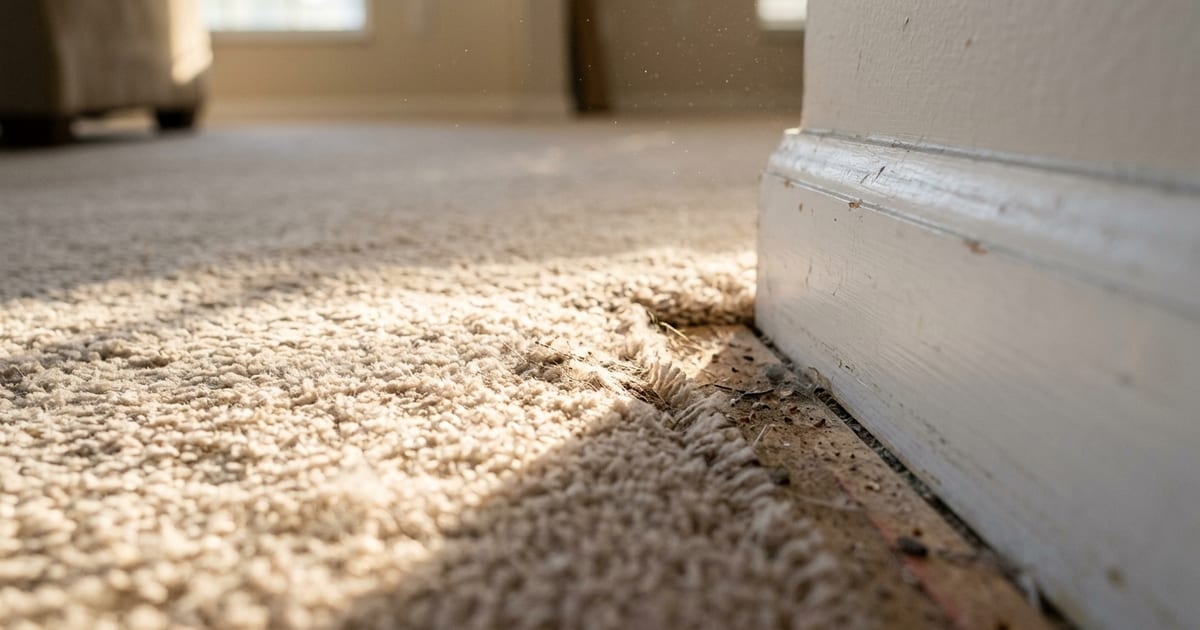
It is unusual among ticks in that it can complete its entire life cycle both indoors and outdoors. Dogs are the primary host for all stages in the United States, and between feedings each stage drops off into the environment to molt. Indoors, that environment is your house: cracks and crevices in walls, baseboards, carpeting, furniture, and dog bedding. Garages and kennels are classic sites.
The reproductive math is the part that gets people’s attention. A fully blood fed female can lay several thousand eggs, with UF/IFAS putting the average around 4,000, and the egg to egg cycle runs just over two months. A brown dog tick problem that starts with one dog can become a structural infestation inside a season.
It will bite people, and immature ticks are more likely to be found on humans than adults. It vectors canine ehrlichiosis and canine babesiosis, and it transmits Rocky Mountain spotted fever in some regions. In Arizona and northwestern Mexico this species drives serious RMSF outbreaks, with hundreds of cases and multiple deaths documented in affected communities over a decade. That is an Arizona phenomenon rather than a Florida one, and Florida’s spotted fever numbers stay in the range described above, but it demonstrates what this tick is capable of.
The practical consequence: if you are finding ticks inside a Tampa Bay home, especially in baseboards or dog bedding rather than on someone returning from a walk, that is a different problem requiring crack and crevice work, not yard treatment.
Ticks Do Not Jump, Fly, or Fall From Trees
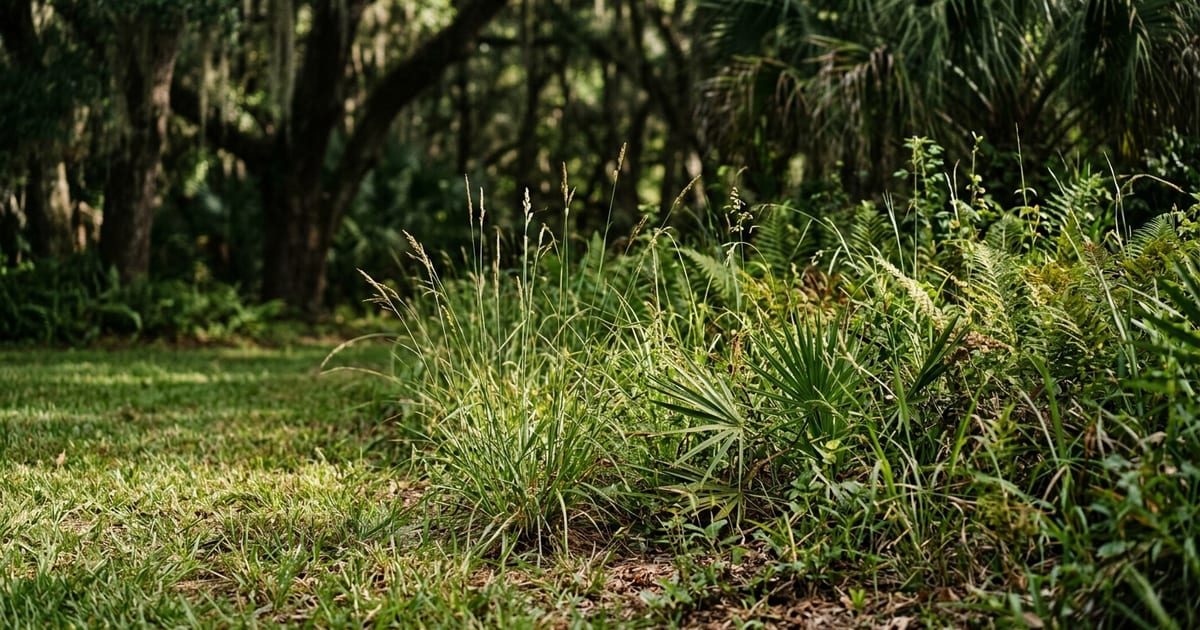
Ticks find hosts by questing. They climb grass, weeds, and low vegetation, hold on with their back legs, and extend their front legs, waiting for something to brush past. They detect passing hosts partly through carbon dioxide and other cues. They cannot jump the way a flea does, and they do not drop from tree canopies.
That single mechanical fact reorganizes tick prevention. Contact happens where you brush against vegetation, which means the transition zones: the edge between mown lawn and woods, tall grass, brush lines, and the shaded, humid places where ticks can wait without drying out. Ticks prefer shaded, damp environments, and are found along the edges of forest patches as much as in the woods themselves.
The contrast with fleas is worth holding onto. Fleas reach you from the floor where your pet rests. Ticks reach you where you walk past vegetation. Where the risk sits is completely different, and so is the treatment, which is why flea control and tick work are not the same visit. Our guide on why fleas come back after treatment explains the other half of that pairing.
How to Remove a Tick Correctly
The method is not folklore, and the folklore is actively harmful.
Use clean, fine tipped tweezers. Grasp the tick as close to the skin’s surface as you can. Pull upward with steady, even pressure. Do not twist or jerk, which can break the mouthparts off in the skin. UF/IFAS phrases the same instruction as grasping the mouthparts and pulling straight back with firm pressure.
Do not apply petroleum jelly, nail polish, a hot match, or any other substance intended to make the tick back out. Those methods can cause the tick to force infected fluid into the bite.
Afterward, clean the bite and your hands with soap and water or rubbing alcohol. Dispose of a live tick by sealing it in a container, wrapping it tightly in tape, or placing it in alcohol.
On timing, Florida’s health department is specific: removing attached ticks within 24 hours of the bite greatly reduces the chance of infection. You may have read that Lyme transmission generally requires 36 to 48 hours of attachment, which is true, but do not treat that as a general safety margin. Rocky Mountain spotted fever can transmit considerably faster, in well under a day. Check yourself, your children, and your pets the same day you have been outside, not the next morning.
Making a Tampa Bay Yard Less Hospitable
Tick management in a yard is mostly habitat management, and it is the half of the job a homeowner controls.
Mow regularly and keep grass short. Remove leaf litter, brush piles, and yard debris, which are where ticks shelter from drying out. Trim shrubs and low branches to let in sunlight and airflow, since ticks need humidity and shade. Keep weeds down along fences, gardens, and property edges.
Put a three foot barrier of gravel or wood chips between wooded areas and lawn. It creates a dry, sunny strip that questing ticks do not cross easily, and it marks the edge for people too.
Move children’s play equipment away from wooded edges. Swing sets against a treeline put children exactly where ticks are waiting, at exactly the height they wait.
Think about wildlife. Raccoons, rodents, and deer move ticks onto a property and support their life cycles. In most Tampa Bay yards the realistic contributors are raccoons and rodents rather than deer, though white-tailed deer are the recognized reservoir for the bacterium behind ehrlichiosis. Anything that feeds wildlife by accident, an unsecured can or pet food left out, has a tick cost attached to it.
For the brown dog tick specifically, add sealing cracks and crevices indoors and inspecting the dog regularly, since that tick’s environment is the building rather than the yard. That is exclusion work, the same discipline that keeps everything else out of a Florida house.
When Is Tick Season in Tampa Bay?
There is not one, and that is the practical point. Florida’s mild winters let ticks stay active for much of the year, and UF sources describe ticks as active year round in the state’s warm subtropical climate, with activity peaking April through August.
What changes across the year is which species is out. Cool months favor the blacklegged tick. Warm months bring the lone star tick to peak density in July. American dog and Gulf Coast ticks fill spring through fall. The brown dog tick runs indoors regardless.
That means tick checks after time outdoors are a year round habit here, not a summer one, and yard maintenance that reduces tick habitat pays off in every month.
If you are finding ticks on people or pets regularly, or finding them indoors, that is worth a professional look at where they are actually coming from. Liberty Pest Management is family owned, based in Odessa, and has served Tampa Bay since 2007 under Florida license JB-151032. Ask us for a free quote and we will start at the yard edges, where they are waiting.
Liberty Pest Management serves the Tampa Bay area including Pasco, Hillsborough, and Pinellas counties, from Odessa and Land O’ Lakes to Tampa, Brandon, and Clearwater. Licensed by the Florida Department of Agriculture (JB-151032). Call us at 813-961-2627 or get a free quote today.