The pests in a Florida home aren’t just unpleasant. Each of the common ones carries its own specific health risk, and they’re different enough from each other that general advice misses most of them. Cockroach debris triggers asthma. Rodents contaminate food and chew wiring into fire hazards. Mosquitoes here have transmitted dengue locally. Fire ants send allergic people to the emergency room. Here’s the breakdown pest by pest, with the prevention step that addresses each risk.
Key Takeaways
- Cockroach droppings, saliva, and shed skins are a major indoor asthma and allergy trigger, especially for children.
- Rodents spread disease through droppings and urine, and gnawed wiring adds a fire risk on top of that.
- Florida has recorded locally acquired dengue cases, and the mosquito that spreads it bites during the day and breeds in tiny amounts of standing water.
- In Florida, the tick disease to know is ehrlichiosis from the lone star tick, not Lyme disease.
- Fire ant and wasp stings are a medical emergency for the small percentage of people who react with anaphylaxis.
The Risks at a Glance
| Pest | Primary health risk | Where it shows up at home | First prevention move |
|---|---|---|---|
| German cockroach | Asthma and allergy triggers, food contamination | Kitchens, bathrooms, appliances | Deep clean grease and crumbs, fix moisture |
| Rodents | Leptospirosis, salmonella, chewed-wire fire hazard | Attics, garages, pantries | Seal food, seal entry points |
| Mosquitoes | West Nile virus, dengue | Standing water in the yard | Dump all standing water weekly |
| Fire ants | Painful stings, anaphylaxis risk | Lawns, sidewalks, playgrounds | Treat mounds early, wear shoes outside |
| Ticks | Ehrlichiosis, other bacterial diseases | Yard edges, tall grass, pets | Protect pets, mow and clear brush |
| Wasps and yellowjackets | Stings, severe allergic reactions | Eaves, soffits, ground nests | Remove nests while small, or call a pro |
How Do Cockroaches Trigger Asthma and Allergies?
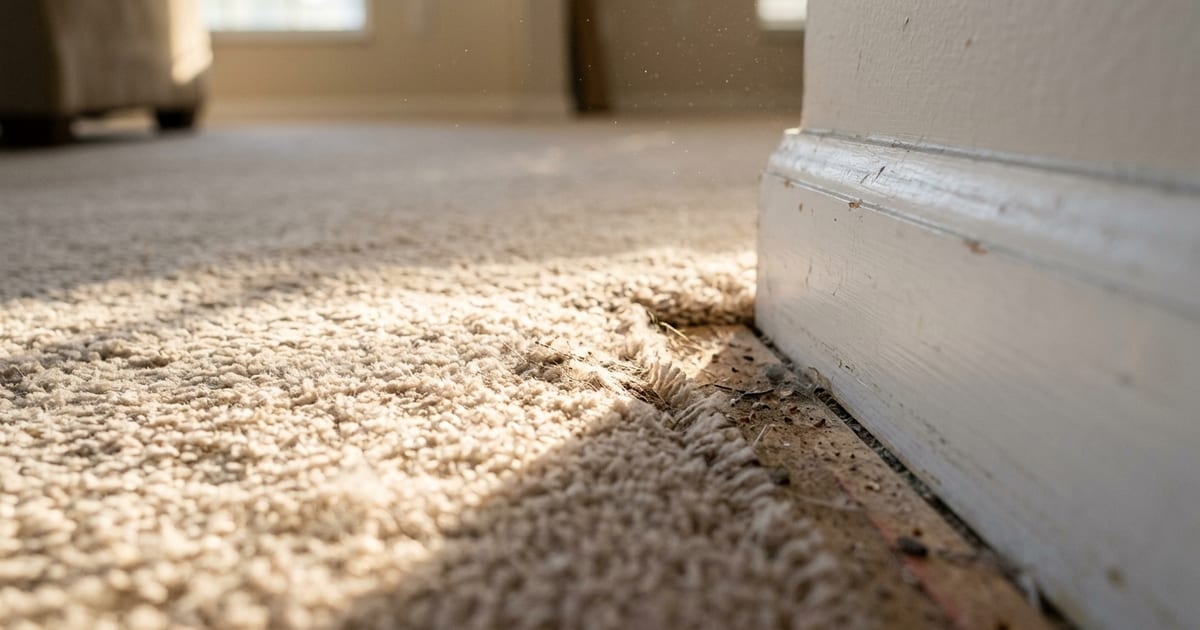
The cockroach threat isn’t the insect itself. It’s what the insect leaves behind. Droppings, saliva, shed skins, and body fragments break down into microscopic particles that mix into household dust, settle into carpet and upholstery, and get stirred back into the air every time someone walks across the room. Cockroach allergen is one of the better established indoor asthma triggers, and for sensitive people, especially children, ongoing exposure means allergy symptoms and asthma attacks that don’t resolve until the source is gone.
In Florida you’re dealing with two very different roaches. The big one that wanders in from outside, the American cockroach that locals call a palmetto bug, is mostly an occasional invader. The real health concern is the small German cockroach, which lives its entire life indoors, breeds inside kitchen appliances and cabinets, and concentrates its allergen load exactly where you prepare food. German roaches also walk from drains and garbage to countertops and dishes, carrying bacteria like salmonella along the way.
Prevention that targets the actual risk means degreasing behind and under the stove and refrigerator, fixing the moisture sources roaches depend on (leaky sink traps, sweating pipes, wet sponges left out), storing food including pet food in sealed containers, and taking garbage out nightly. An established German roach infestation rarely responds to store bought sprays, which scatter roaches into new hiding spots instead of eliminating them. Our cockroach control service targets the breeding sites directly.
What Diseases Do Rodents Spread in Florida Homes?
Rodents spread disease several ways at once, through droppings, urine, bites, and the fleas that travel on them. For Tampa Bay homeowners, these are the practical risks.
- Leptospirosis. A bacterial infection spread through rodent urine, which can contaminate water, food, and surfaces. It ranges from a flu-like illness to serious kidney and liver complications, and pets can contract it too.
- Salmonella. Rodents track bacteria across counters, dishes, and pantry shelves, and their droppings contaminate any food they reach. A gnawed corner on a bag of rice means the whole pantry needs scrutiny.
- Contaminated attic air. Droppings and urine soak into attic insulation, and leaky ductwork can carry particles into living areas.
Rodents add a hazard no other pest here carries, and that’s fire. Their incisors never stop growing, so they gnaw constantly to keep them worn down, and wiring serves that purpose as well as anything else in an attic. A wire chewed down to the metal is a fire risk that sits out of sight until something goes wrong.
Prevention that targets the actual risk means storing food and pet food in sealed containers, decluttering garages and attics to remove nesting cover, and sealing exterior gaps larger than a quarter inch, paying special attention to the roofline, because Florida’s dominant rat species is a climber that enters overhead. Never sweep or vacuum dry droppings. Wet them with disinfectant first and wear gloves.
Are Mosquitoes in Tampa Bay Actually Dangerous?
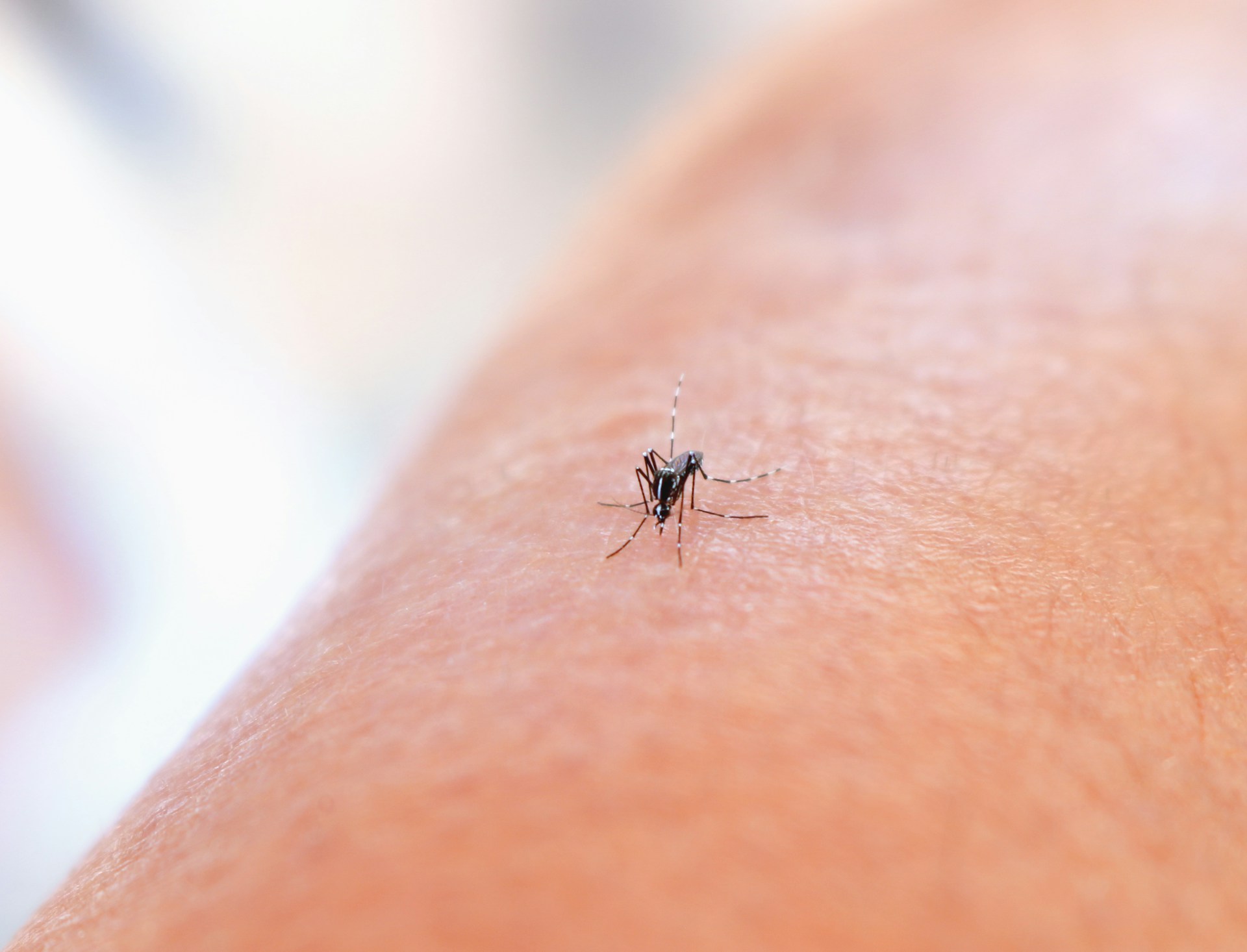
Yes, and the risk is closer to home than most people think. West Nile virus circulates in Florida, and the state has recorded locally acquired dengue cases in recent years, meaning people infected by mosquitoes here, not while traveling abroad.
The mosquito that matters most around homes is Aedes aegypti, the primary dengue vector. It breaks all the rules people assume. It bites during the daytime, not just at dusk, it lives around structures rather than in the woods, and it breeds in tiny containers of water, a plant saucer, a clogged gutter, a bottle cap. Your risk is driven less by the swamp down the road and more by the standing water around your own home.
Prevention that targets the actual risk means walking your yard weekly and dumping every container of standing water, flushing bromeliads, refilling plant saucers, and clearing gutters. Tampa Bay’s mosquito season runs roughly March through November, so this is a three-season habit here, not a summer one. For the full seasonal playbook, see our guide to mosquito season in Tampa Bay.
Why Are Fire Ant Stings a Medical Risk, Not Just a Painful One?
Red imported fire ants are established across virtually every lawn, park, and playground in the Tampa Bay area. When a mound is disturbed, workers swarm in seconds and sting repeatedly, each sting injecting venom that burns immediately and raises an itchy white pustule within a day or two.
For most people that’s painful but manageable. Victims rarely take one sting, though. A child who stands on a mound for a few seconds can take dozens. And a small percentage of people are allergic to fire ant venom and can develop anaphylaxis, a rapid, life threatening reaction. Anyone with hives away from the sting site, throat tightness, or dizziness after fire ant stings needs emergency care immediately.
Prevention that targets the actual risk means treating mounds while they’re small, keeping kids and pets away from visible mounds, wearing closed shoes for yard work, and checking play areas after heavy rain, which pushes fire ants to build new, taller mounds.
Which Tick Diseases Actually Matter in Florida?
Ask most people about ticks and they’ll say Lyme disease. That’s Northeast framing, not Florida framing. Lyme cases do occur here, but the tick you’re most likely to encounter in a Tampa Bay yard is the lone star tick, an aggressive biter that transmits ehrlichiosis, a bacterial infection causing fever, headache, muscle aches, and fatigue that can become serious without treatment. Lone star tick bites have also been linked to alpha-gal syndrome, an acquired allergy to red meat.
Two others round out the Florida picture. The American dog tick can transmit Rocky Mountain spotted fever, and the brown dog tick is the one tick that can complete its entire life cycle indoors, turning a dog’s bedding area into a home infestation.
Prevention that targets the actual risk means keeping grass mowed and clearing brush and leaf litter along fence lines and yard edges, where ticks wait for hosts. Keep pets on year round tick prevention, because Florida’s mild winters never fully shut ticks down, and check yourself, your kids, and your pets after yard work. If ticks keep showing up, our tick control service treats the yard zones where they actually hunt.
When Are Wasps and Stinging Insects a Health Issue?
Paper wasps building under your eaves are defensive rather than aggressive, but they’ll sting to protect the nest, and stings near doorways, mailboxes, and playsets are how most people get hit. Yellowjackets are the bigger problem. They nest in the ground and in wall voids, defend the colony in numbers, and each insect can sting repeatedly.
For most people a wasp sting means localized pain and swelling. For the allergic minority it can mean anaphylaxis, and a first severe reaction often comes without warning. Multiple stings from a disturbed yellowjacket nest are dangerous even for people without allergies.
Prevention that targets the actual risk means knocking down paper wasp nests while they’re still golf ball sized in early spring, before the colony grows. Don’t tackle a mature yellowjacket nest or anything inside a wall void yourself. That’s a job for our wasp and hornet service. If anyone in your household has a known sting allergy, let nest removal be someone else’s job entirely.
How Do You Lower These Risks Without Living in Fear?
Notice the pattern. The health risk scales with how established the infestation is. A few roaches shed few allergens, but a year-old population saturates a kitchen. Early action is the whole game.
The habits that matter most are boring and effective. Keep food sealed, plumbing dry, and the yard edge tidy, patrol for standing water weekly, and seal exterior gaps. When a pest does get established, professional treatment removes the source of the risk rather than just knocking down the visible pests. Liberty Pest Management is a family owned company in Odessa, serving Tampa Bay homes since 2007, from Wesley Chapel to the coast, under Florida license JB-151032.
Frequently Asked Questions
Do cockroaches really cause asthma?
Cockroaches don’t cause asthma directly, but their droppings, saliva, and shed skins are among the strongest indoor allergens, and exposure is a well documented trigger for asthma attacks, especially in children. Eliminating the infestation and then cleaning thoroughly reduces the allergen load over time.
Has anyone actually caught dengue in Florida?
Yes. Florida has recorded locally acquired dengue cases, confirmed by the Florida Department of Health, meaning the infection came from a mosquito bite here rather than from travel abroad. It remains uncommon, but it’s why yard-level mosquito prevention in Tampa Bay is a genuine health measure, not just comfort.
Are fire ant stings dangerous to children and pets?
Usually they’re painful rather than dangerous, but children and pets take more stings because they’re slower to move off a mound. The emergency scenario is an allergic reaction. Hives beyond the sting site, facial swelling, or trouble breathing after stings calls for immediate medical care.
Should I worry about Lyme disease in Florida?
Lyme disease occurs in Florida but is far less common than in the Northeast. The more relevant local risks are ehrlichiosis from the lone star tick and Rocky Mountain spotted fever from the American dog tick. Either way, the prevention comes down to yard maintenance, pet tick prevention, and body checks.
Take the Risk Off the Table
You don’t need to memorize disease names, just keep pests from establishing and act quickly when one does. If roaches, rodents, mosquitoes, or stinging insects have already moved in, ask for a free quote and we’ll identify exactly what you’re dealing with and lay out the plan to remove it.